Tag: on-device AI

Why On-Device AI Feels Faster Than Cloud AI

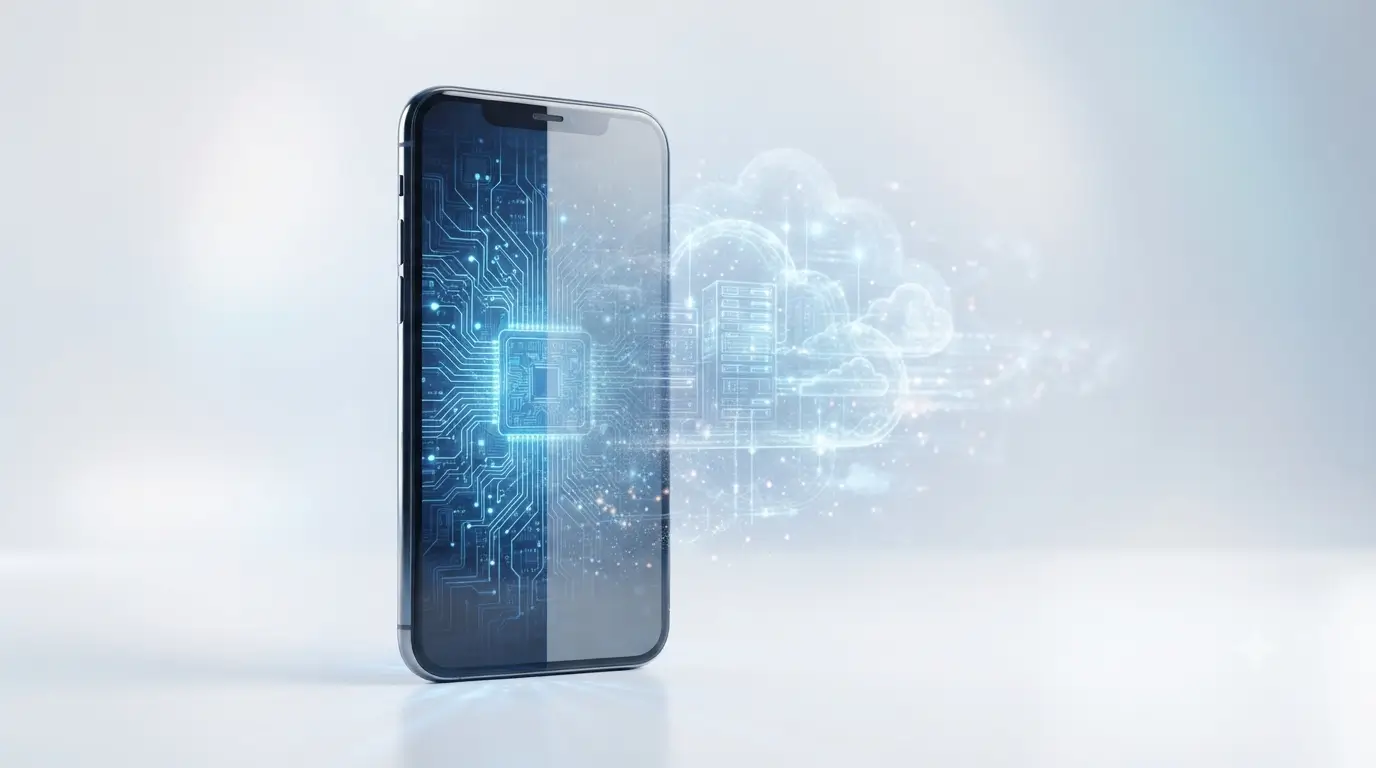
Why on-device AI feels faster than cloud AI isn't just about processing power. It comes down to latency, network delays, dedicated AI hardware, and how modern devices execute AI workloads. AI features on modern smartphones and AI PCs can feel…

Best AI Tablets in 2026: NPU Performance Rankings Explained

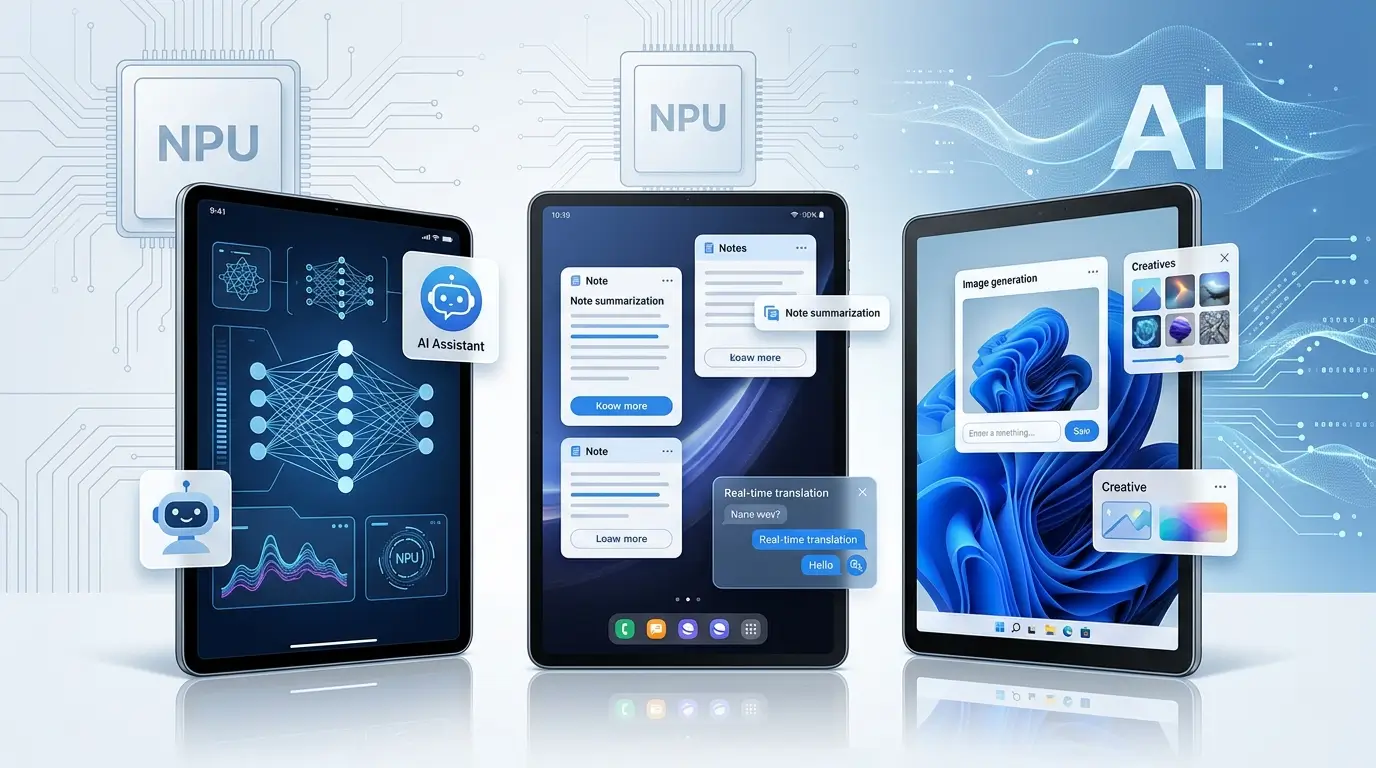
The best AI tablets in 2026 are no longer defined solely by display quality or processor speed. Modern tablets increasingly rely on dedicated Neural Processing Units (NPUs) to power AI features such as note summarization, image generation, translation, and intelligent…

How Android and iOS Schedule AI Tasks (CPU, GPU, and NPU Explained)

When you use features like AI photo enhancement, live translation, voice assistants, or object recognition, your smartphone must decide where those AI tasks should run. Some workloads are better suited for the CPU, others for the GPU, while modern devices…

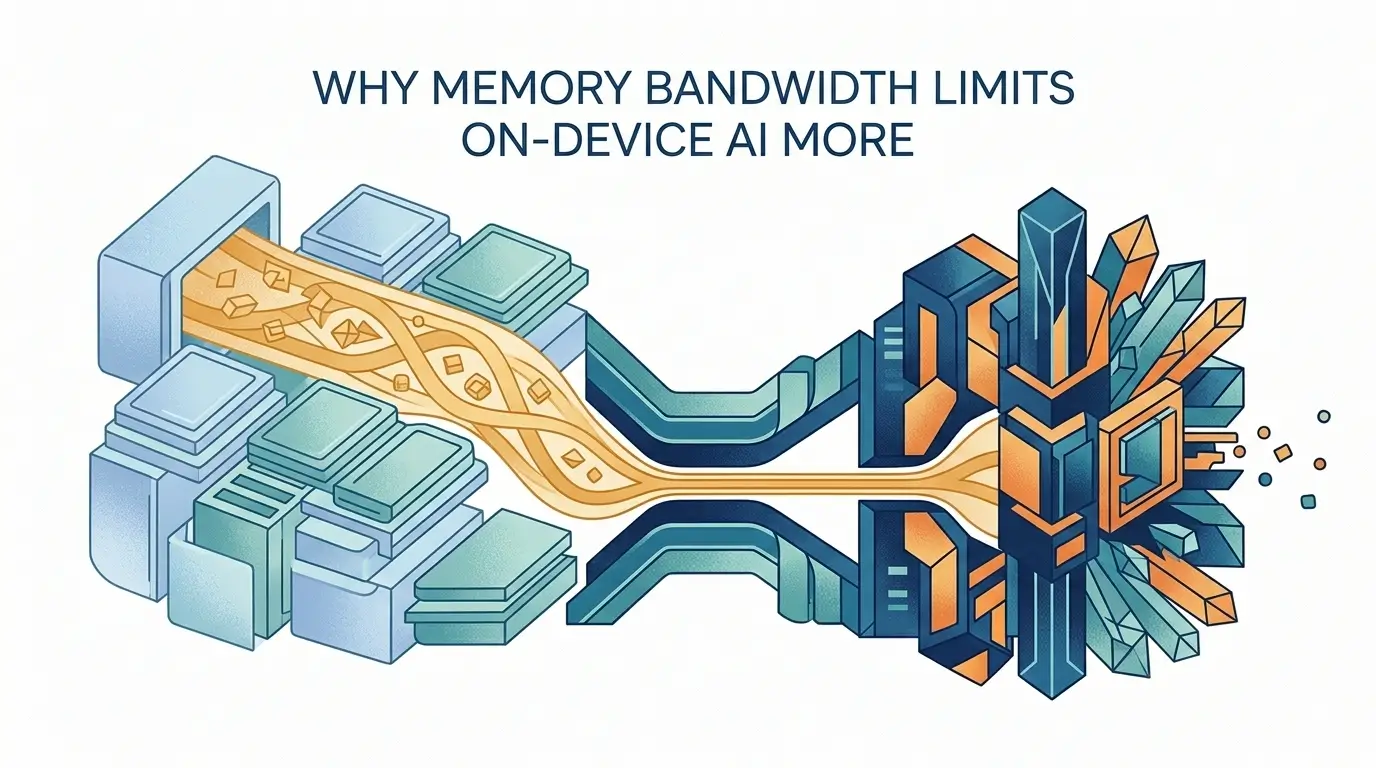
Why Memory Bandwidth Limits On-Device AI More Than Compute Power

What Is Memory Bandwidth in On-Device AI HardwareHow Memory Bandwidth Bottlenecks AI InferenceOn-Device AI Architecture and Memory Bandwidth ConstraintsPerformance Characteristics: Why Memory Bandwidth Limits On-Device AIReal-World On-Device AI Workloads Affected by Memory LimitsKey Limitations of Memory Bandwidth in Mobile AI…

Intel Panther Lake NPU Explained: 50 TOPS AI Performance for AI PCs

The Intel Panther Lake NPU is Intel's next-generation neural processing unit designed for AI PCs and on-device AI workloads. Built into the Panther Lake platform, the NPU delivers up to 50 INT8 TOPS while consuming significantly less power than traditional…

How On-Device AI Powers Truly Private Voice Assistants

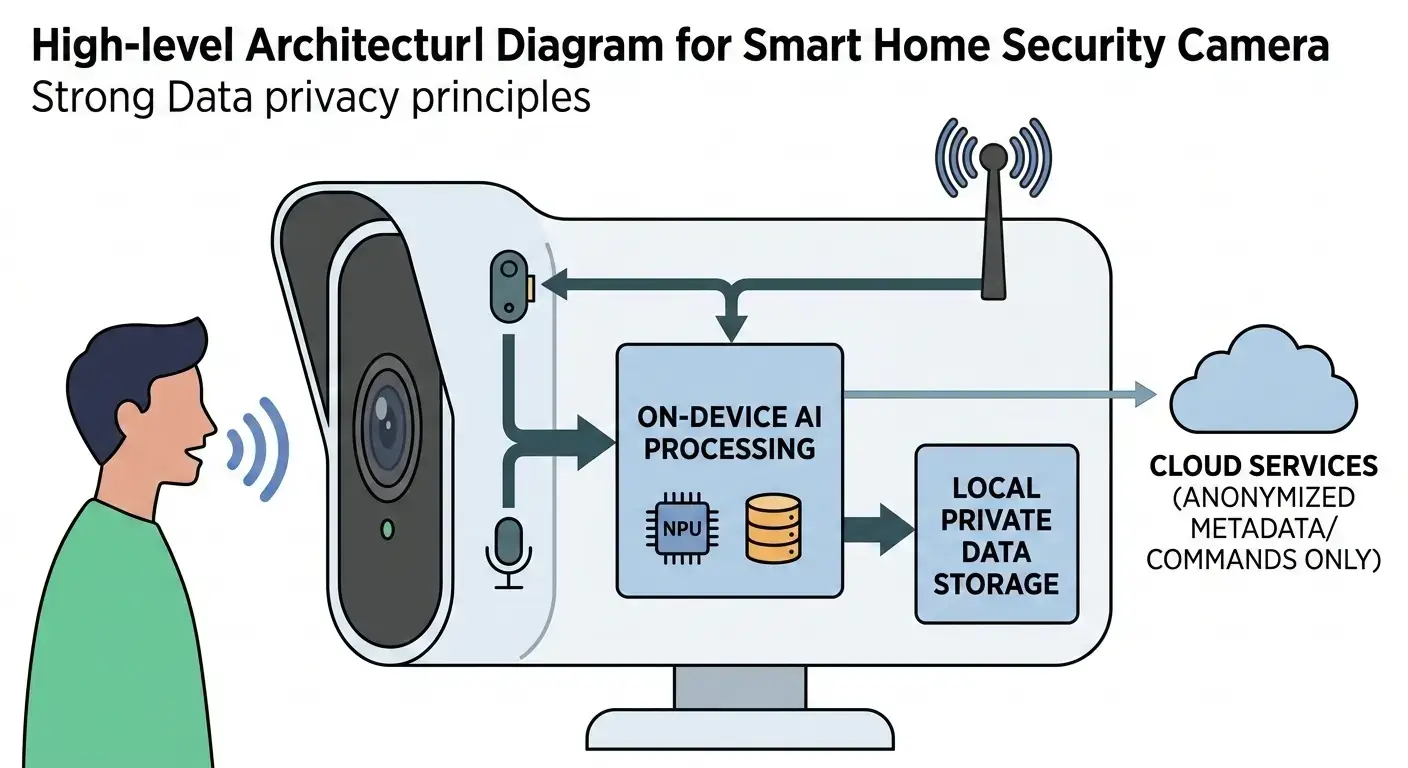
What It Is: How On-Device AI Powers Truly Private VoiceHow On-Device AI Powers Truly Private Voice Assistants WorkArchitecture OverviewPerformance Benefits of On-Device AI for Truly Private VoiceReal-World ApplicationsLimitationsWhy On-Device AI Powers Truly Private Voice Assistants MatterKey TakeawaysFrequently Asked QuestionsHow does…

On-Device AI Memory Limits: Performance, Thermal, and Memory Bandwidth Explained

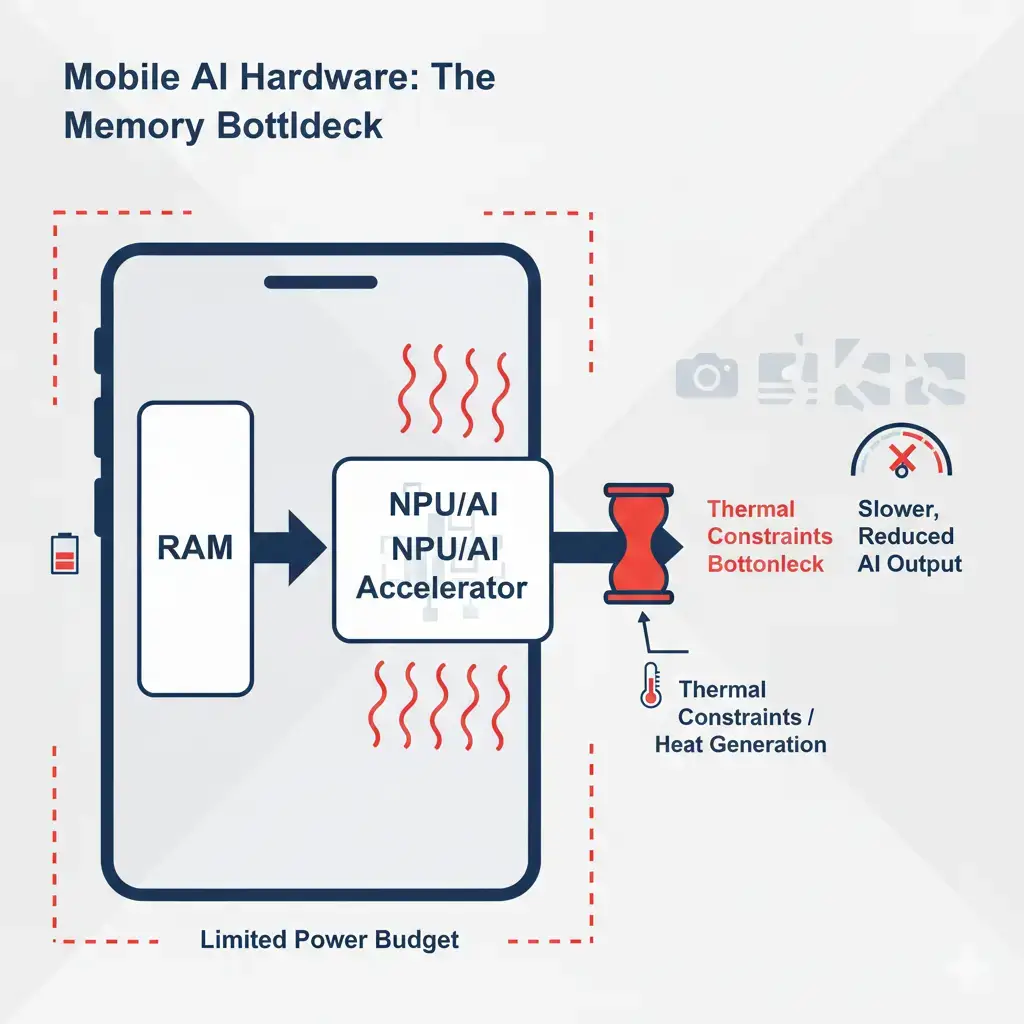
On-device AI memory limits are becoming one of the biggest challenges in modern edge AI systems. While AI accelerators continue to increase in compute power, memory bandwidth, and capacity, thermal constraints often determine real-world performance. This article examines on-device AI…

On-Device AI Cloud Fallback: A Hybrid AI Strategy Explained

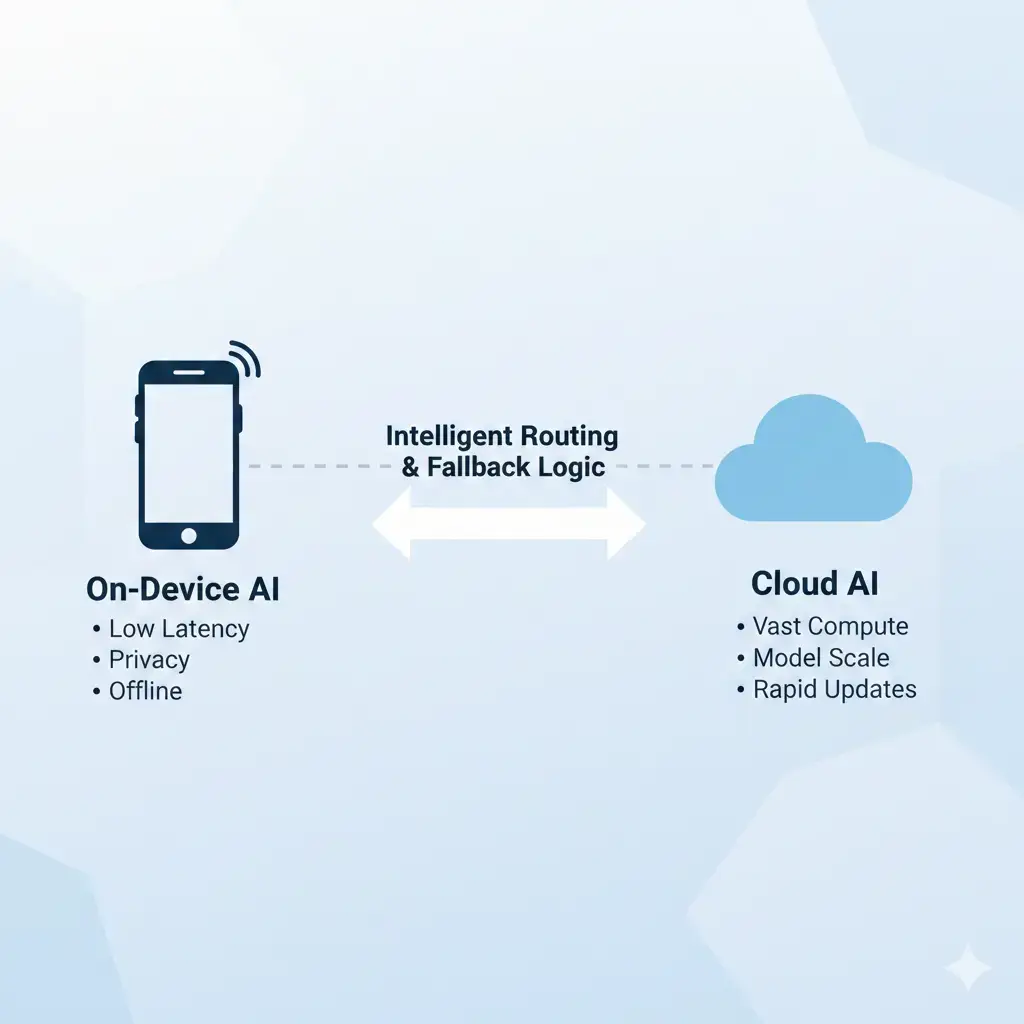
On-Device AI Cloud Fallback enables low-latency, private, and offline AI experiences while working within strict power, thermal, and memory limits. When these limits are reached, On-Device AI Cloud Fallback allows systems to route tasks to the cloud, forming a hybrid…

Local AI Gadgets in 2026: Privacy-First Devices That Run AI On-Device

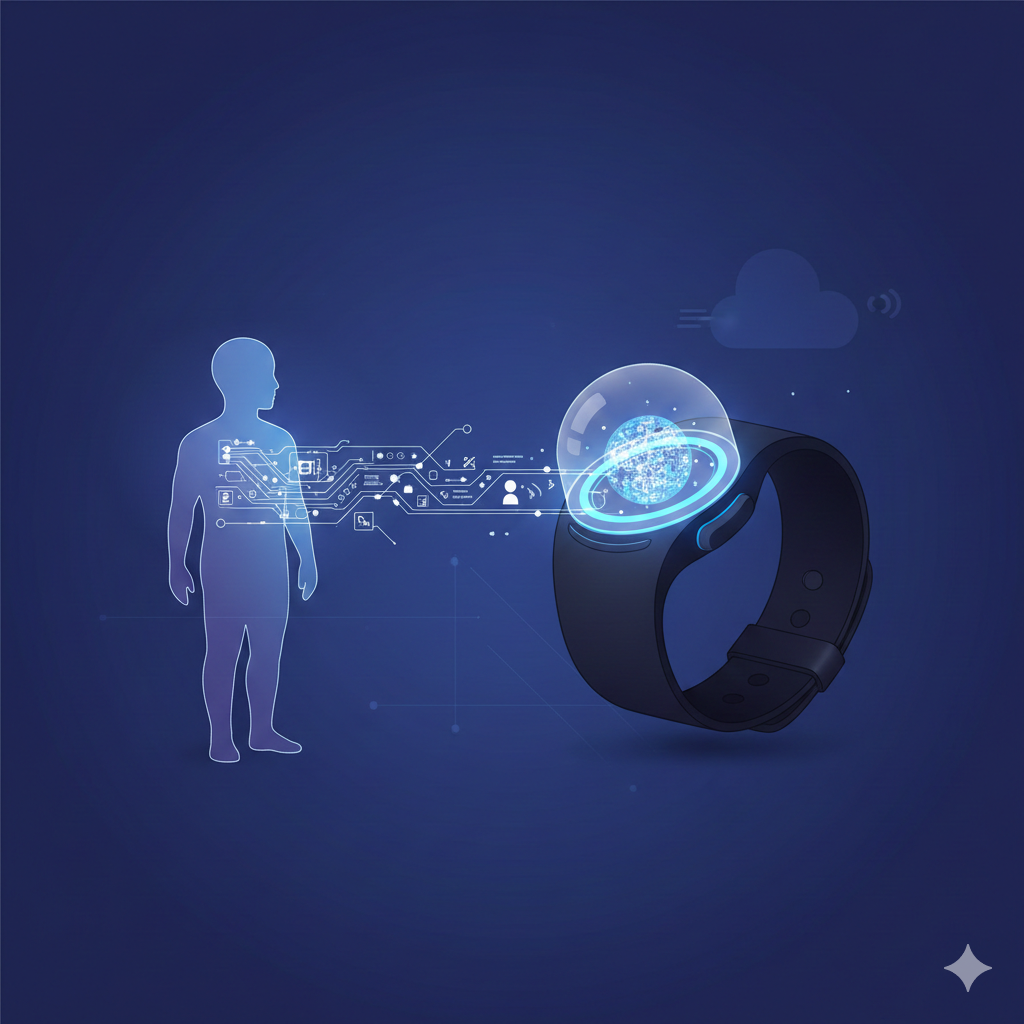
Local AI gadgets are becoming one of the most important trends in consumer technology. Unlike traditional cloud-based AI services, these devices process data directly on the hardware, helping improve privacy, reduce latency, and enable offline functionality. Advances in Neural Processing…

On-Device AI vs Cloud AI: What Really Powers Your Gadgets in 2026?

What Is On-Device AI vs Cloud AI?Understanding On-Device AI vs Cloud AI in Simple TermsExploring On-device AI vs Cloud AICommon examples of on-device AI:What Is Cloud AI and Why Does It Still MattersSpeed and Responsiveness: Why On-Device AI Feels BetterBattery…