Author: Raman Kumar

Raman Kumar is a semiconductor engineer and technology writer specializing in AI hardware, smartphones, tablets, and emerging technologies. Through Giznova, he publishes research-driven articles that explain how neural processing units (NPUs), AI PCs, mobile chipsets, and on-device AI technologies work in real-world devices. His focus is on helping readers understand technical concepts through practical examples, performance analysis, and everyday use cases.

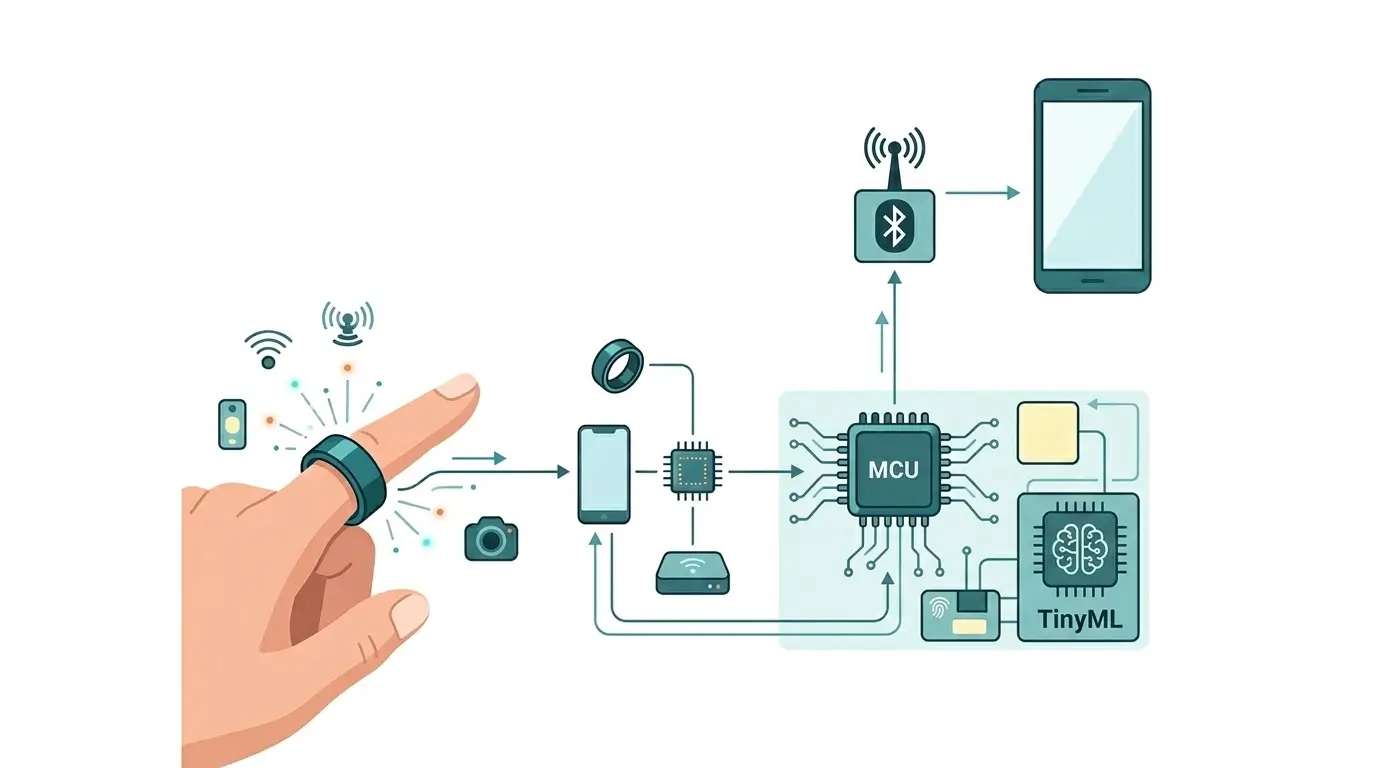
TinyML vs Large AI Models: What Works Best for Edge Devices

What Each Architecture DoesTinyML vs Large AI Models: Architectural DifferencesPerformance Comparison: Critical Runtime DifferencesPower and Thermal Differences Between TinyML and Large AI ModelsTinyML vs Large AI Models: Memory and Bandwidth RequirementsSoftware Ecosystem & ToolingTinyML vs Large AI Models: Real-World DeploymentWhich…

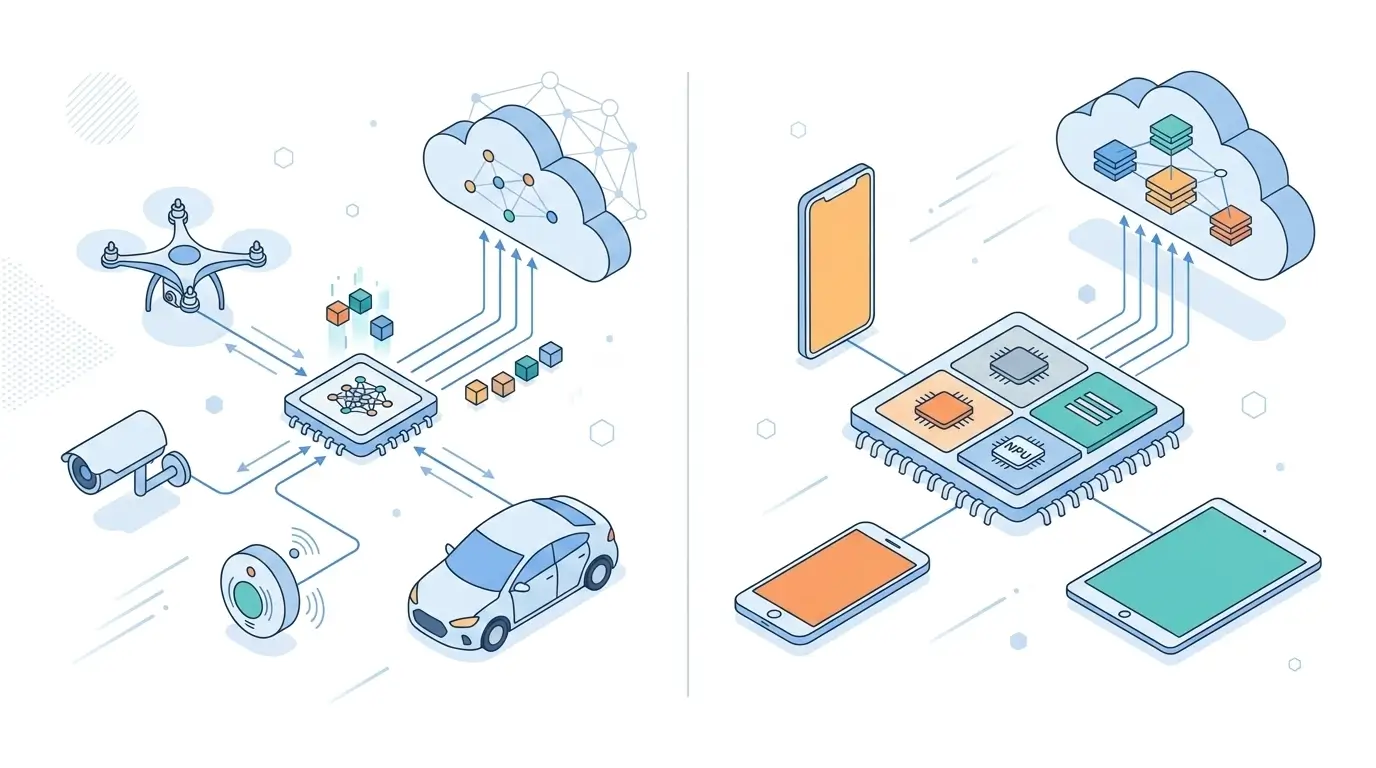
Edge TPU vs Mobile NPU: How AI Accelerators Differ on Devices

Edge TPU vs Mobile NPU: What Each Architecture Is Designed ForEdge TPU vs Mobile NPU Architecture ComparisonEdge TPU vs Mobile NPU Architecture ComparisonPower Efficiency and Thermal Constraints in Edge TPU vs Mobile NPUMemory & Bandwidth HandlingSoftware Ecosystem & ToolingReal-World Edge…

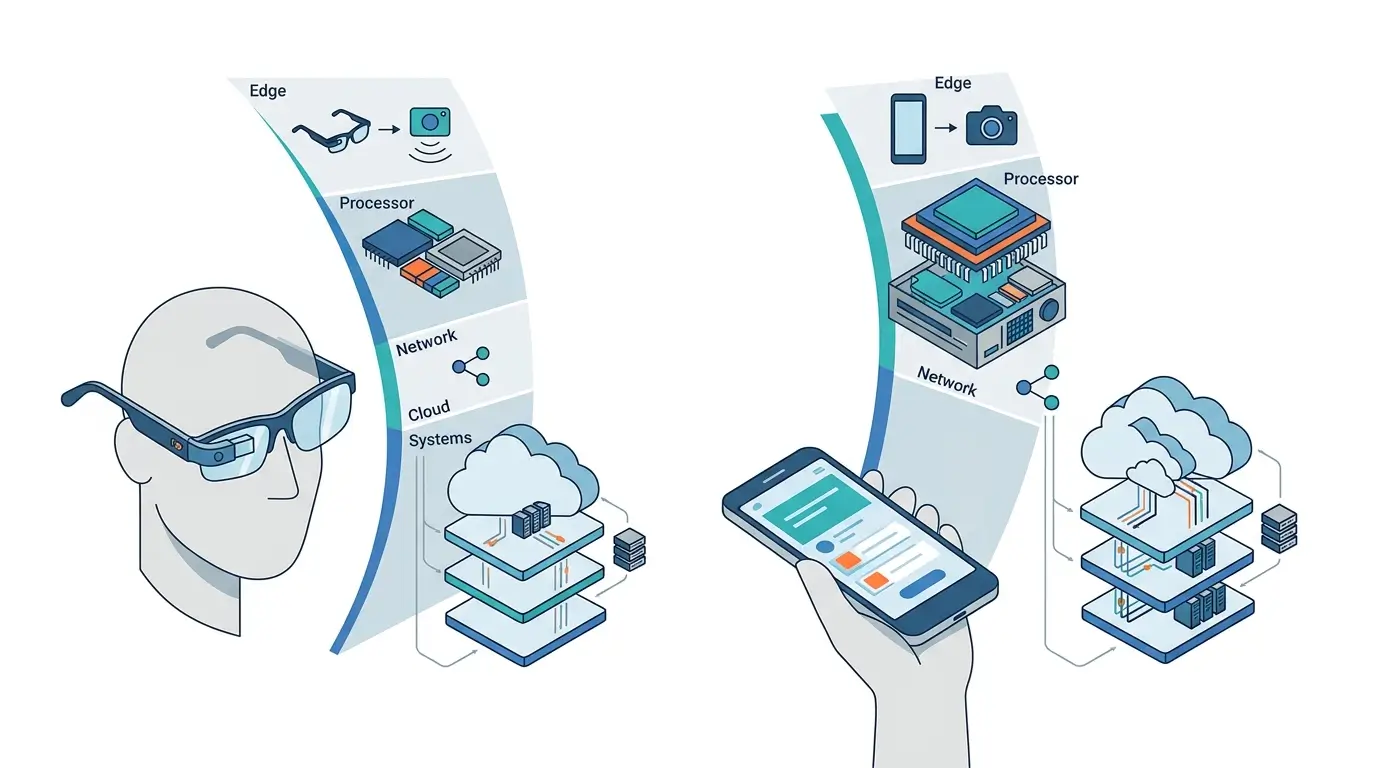
How AI Glasses Process Vision in Real Time

What AI Glasses Vision Processing MeansHow AI Glasses Process Vision in Real TimeAI Glasses Hardware Architecture for Real-Time VisionPerformance Requirements for Real-Time AI Vision in GlassesReal-World Applications of AI Vision in Smart GlassesTechnical Limitations of AI Vision Processing in GlassesWhy…

Why AI Features Make Smartphones Heat Up

What On-Device AI Means for SmartphonesHow AI Features Run on Smartphone HardwareSmartphone AI Architecture OverviewPerformance Characteristics of Mobile AIReal-World AI Features on SmartphonesLimitations of On-Device AI ProcessingWhy It MattersKey Takeaways Why AI features make smartphones heat up is primarily due…

Dedicated Neural Engine vs Shared Accelerator Designs

Dedicated Neural Engine vs Shared Accelerators: Architecture Comparison for AI ChipsDedicated Neural Engine vs Shared Accelerators: Core ArchitecturePerformance ComparisonPower & Thermal BehaviorMemory & Bandwidth HandlingSoftware Ecosystem & ToolingReal-World DeploymentWhich Design Is More EfficientKey Takeaways Dedicated Neural Engine vs Shared Accelerators…

Edge AI vs Hybrid AI vs Cloud AI: Architecture Comparison

What It IsHow It WorksArchitecture OverviewArchitectural ComparisonPerformance CharacteristicsPower Efficiency and Performance BottlenecksReal-World ApplicationsLimitationsWhy It MattersKey Takeaways Edge AI vs Hybrid AI vs Cloud AI describes three different ways artificial intelligence workloads are deployed. Edge AI runs inference directly on local…

Sustained AI Performance vs Peak TOPS: What Benchmarks Hide

Understanding Peak TOPS and Sustained AI PerformanceWhy Peak TOPS and Sustained AI Performance DivergeAI Accelerator Architecture Behind Peak and Sustained PerformancePeak vs Sustained Performance Across AI HardwareReal-World AI Workloads and Sustained PerformanceEngineering Limits Behind the Peak vs Sustained GapWhy Sustained…

Why Memory Bandwidth Limits On-Device AI More Than Compute Power

What Is Memory Bandwidth in On-Device AI HardwareHow Memory Bandwidth Bottlenecks AI InferenceOn-Device AI Architecture and Memory Bandwidth ConstraintsPerformance Characteristics: Why Memory Bandwidth Limits On-Device AIReal-World On-Device AI Workloads Affected by Memory LimitsKey Limitations of Memory Bandwidth in Mobile AI…

INT8 vs FP16 vs INT4: Which Precision Is Best for Edge Devices?

INT8, FP16, and INT4 are different ways devices balance performance, power efficiency, and accuracy. FP16 offers higher accuracy but uses more power. INT8 provides the best balance between efficiency and performance, making it widely used in smartphones and laptops. INT4…

NPU vs GPU vs CPU: Which Is Best for AI Inference on Consumer Devices?

Why This Matters for YouCPU vs GPU vs NPU: Quick Comparison TableHow CPU, GPU, and NPU Handle AI InferenceCPUGPUNPUWhen Should You Use CPU, GPU, or NPU for AI Inference?Use CPU for AI Inference When:Use GPU for AI Inference When:Use NPU…

Quantization vs Pruning: Optimizing LLMs for Edge Devices

QuantizationPruningArchitectural DifferencesLatencyTOPS (Tera Operations Per Second)Power ConsumptionMemory Footprint & BandwidthSoftware EcosystemDeployment ConsiderationsWhich Design Is More EfficientKey Takeaways This Quantization vs Pruning comparison explains how both optimization strategies affect edge LLM deployment efficiency. For large language models (LLMs) on edge devices, quantization primarily optimizes the numerical…

Neuromorphic Chips Explained: Brain-Inspired AI Processing for Future Wearables

Neuromorphic chips are a class of brain-inspired processors designed for event-driven, asynchronous computation, fundamentally departing from traditional von Neumann architectures. They excel at processing sparse, real-time data streams with high power efficiency and low latency for specific workloads, making them ideal for always-on AI applications…