Author: Raman Kumar

Raman Kumar is a semiconductor engineer and technology writer specializing in AI hardware, smartphones, tablets, and emerging technologies. Through Giznova, he publishes research-driven articles that explain how neural processing units (NPUs), AI PCs, mobile chipsets, and on-device AI technologies work in real-world devices. His focus is on helping readers understand technical concepts through practical examples, performance analysis, and everyday use cases.

How Android and iOS Schedule AI Tasks (CPU, GPU, and NPU Explained)

When you use features like AI photo enhancement, live translation, voice assistants, or object recognition, your smartphone must decide where those AI tasks should run. Some workloads are better suited for the CPU, others for the GPU, while modern devices…

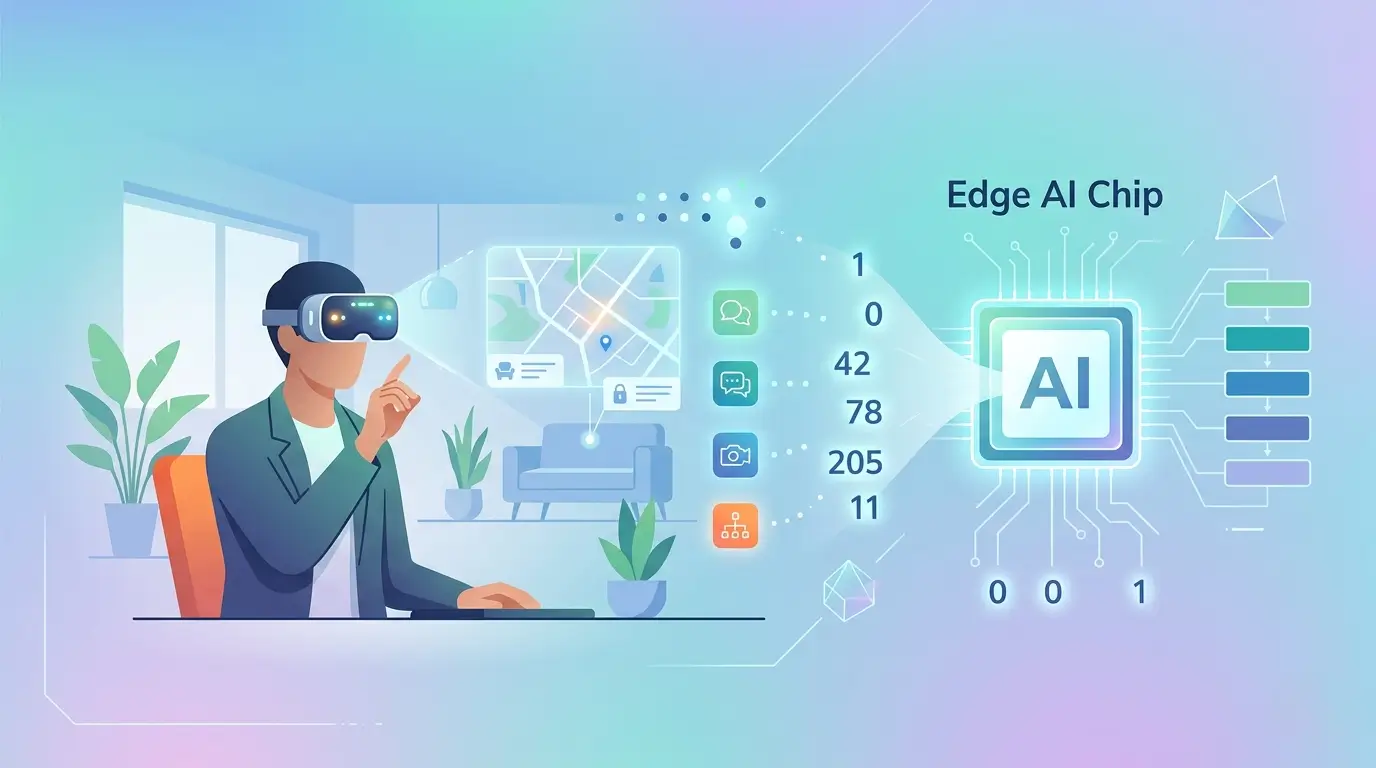
Why Edge AI Chips Use Integer Arithmetic

What Is Integer Arithmetic in Edge AI Chips?How Edge AI Chips Use Integer Arithmetic in AI ProcessingSimple IdeaHow it worksExample:What happens during processing?Architecture of Edge AI Chips Using Integer ArithmeticPerformance Benefits When Edge AI Chips Use Integer ArithmeticReal-World ApplicationsLimitations of…

Sparse vs Dense AI Models: Which Is Better for On-Device AI?

Quick SummaryWhat Are Dense and Sparse AI ModelsSparse vs Dense AI Models: Key DifferencesSparse vs Dense AI Models in Modern AI SystemsPerformance vs Efficiency Trade-offsWhat Is Mixture-of-Experts (MoE)?Power & Thermal BehaviorMemory & Bandwidth HandlingSoftware Ecosystem & ToolingReal-World DeploymentWhat This Means…

Neuromorphic vs Traditional AI Chips: The Future of Wearable AI

Traditional vs Neuromorphic AI Chips: What They DoArchitectural Differences Between Neuromorphic and Traditional AI ChipsPerformance Comparison: Speed, Latency, and ThroughputPower Efficiency and Thermal BehaviorMemory Architecture and Bandwidth OptimizationSoftware Ecosystem and Development ChallengesReal-World Applications and DeploymentWhich Design Is More EfficientKey Takeaways…

AI Model Loading Time on Devices: Hidden Bottleneck Explained

What Is AI Model Loading Time on Devices?How AI Model Loading Time on Devices WorksAI Model Loading Time on Devices Architecture ExplainedPerformance Characteristics of AI Model Loading Time on DevicesReal-World Applications of AI Model Loading Time on DevicesLimitations of AI…

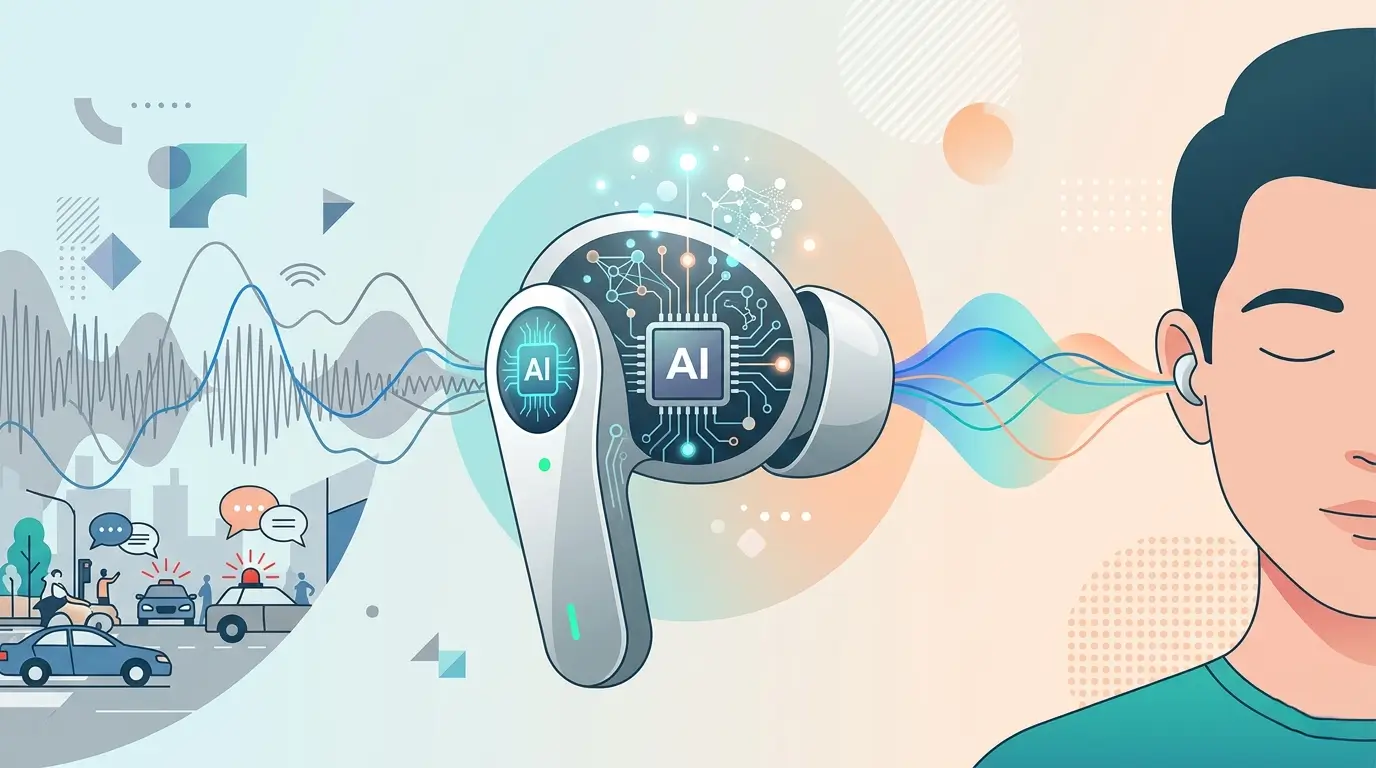
How AI Earbuds Adapt Sound Using On-Device Machine Learning

AI earbuds adapt sound using on-device AI processing that runs machine learning models directly inside the earbud. Specialized System-on-Chip (SoC) architectures combine Digital Signal Processors (DSPs) and Neural Processing Units (NPUs) to analyze ambient noise, optimize audio output, and enable…

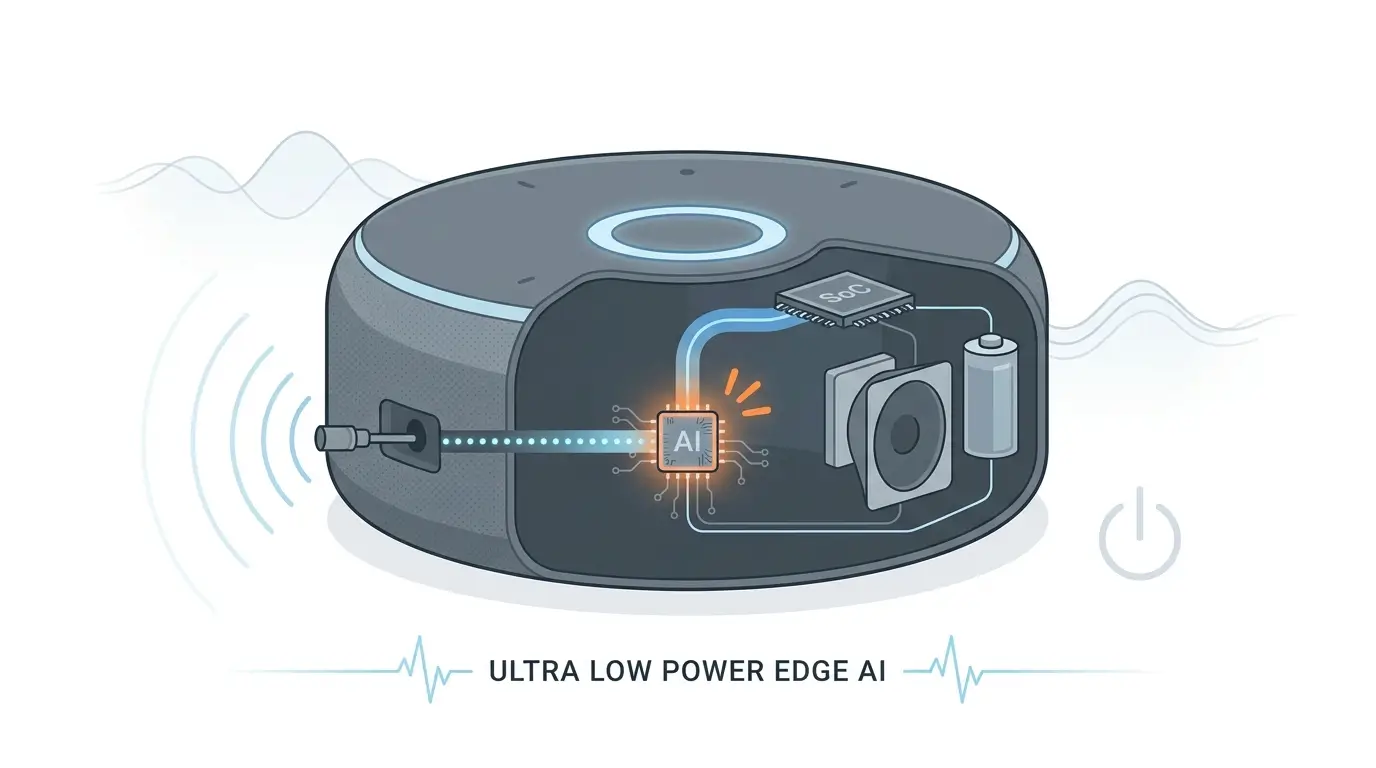
Background AI Wake Word Performance-Per-Watt Optimization

Why can a smart speaker listen for “Alexa” all day without dramatically increasing your electricity bill? How can a smartwatch or AI earbud continuously wait for a voice command without draining its battery? The answer lies in background AI wake…

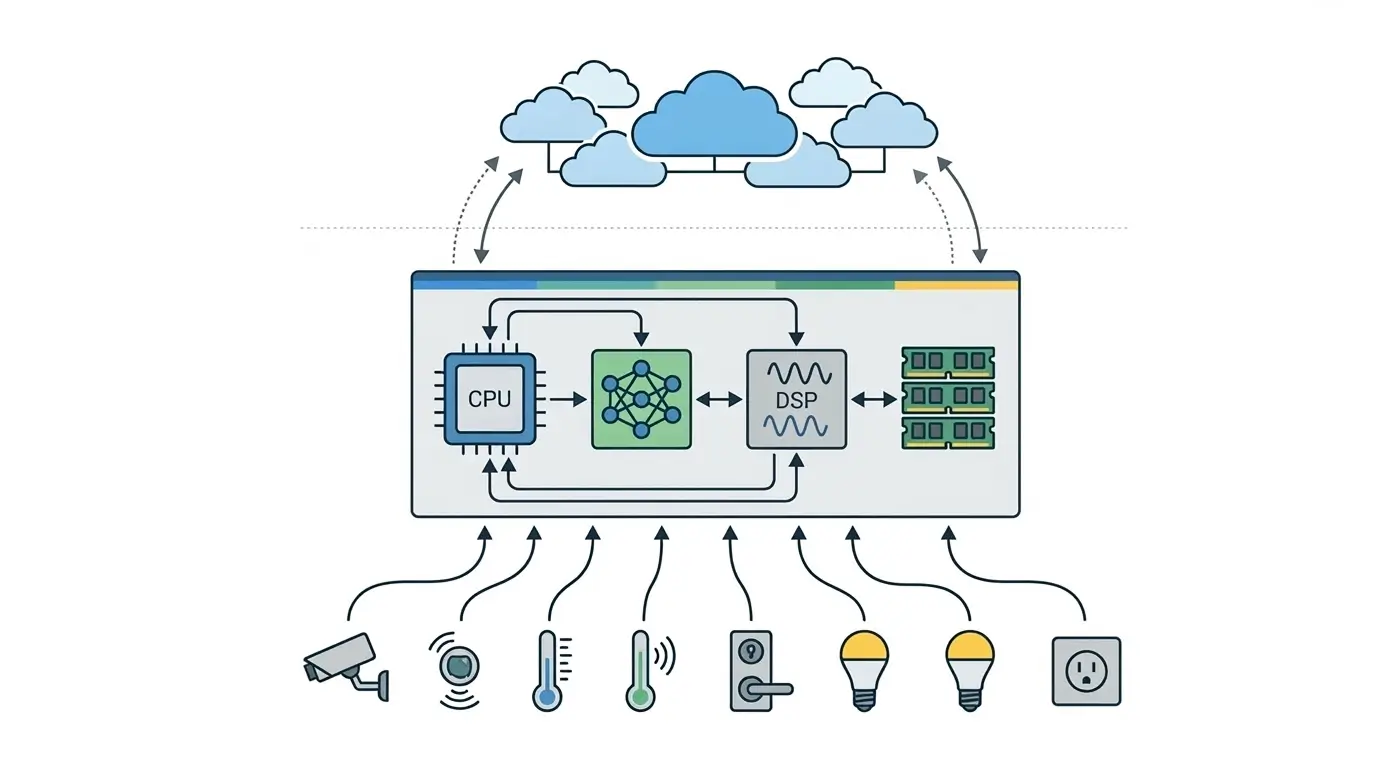
AI Smart Home Hubs: Local Intelligence for Smart Homes

What Are AI Smart Home Hubs?How Local AI Works in Smart Home HubsArchitecture of AI Smart Home HubsPerformance Benefits of Local AIReal-World Applications of AI Smart Home HubsLimitations of Local AI Smart Home DevicesWhy AI Smart Home Hubs MatterKey TakeawaysFAQ:…

AI in Smart Speakers: Local vs Cloud Architecture Explained (Performance & Privacy)

How AI in Smart Speakers Uses Local and Cloud ArchitecturesKey Architectural Differences Between Local and Cloud AIPerformance Comparison: Local vs Cloud AIPower Consumption and Thermal BehaviorMemory and Bandwidth RequirementsSoftware Ecosystem and AI Development ToolsReal-World DeploymentWhich Architecture Is More Efficient?Key Takeaways…

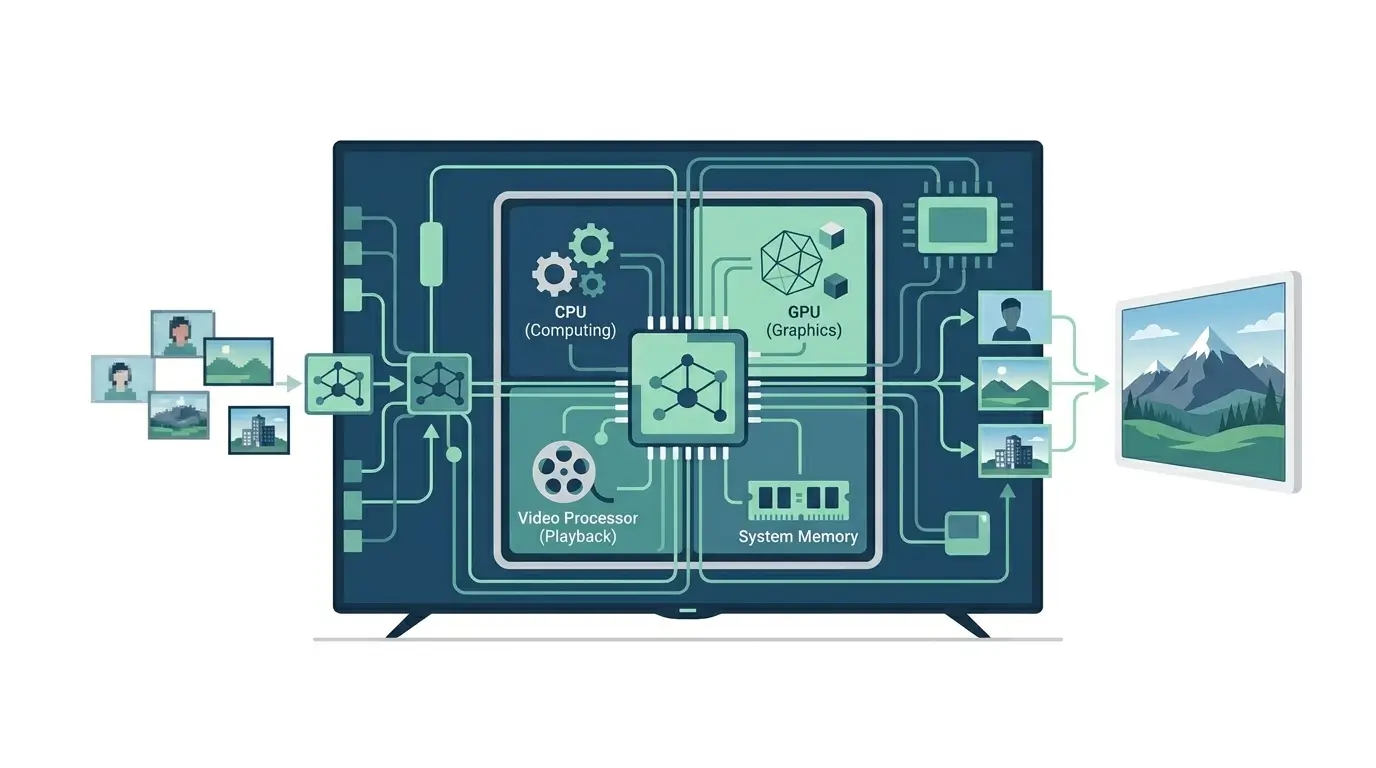
AI in Smart TVs: How Real-Time Upscaling and Scene Detection Work

What AI in Smart TVs IsHow AI in Smart TVs WorksPerformance Characteristics of AI in Smart TVsPerformance CharacteristicsReal-World ApplicationsLimitationsImportance of AI in Smart TVsKey Takeaways AI in Smart TVs uses dedicated Neural Processing Units (NPUs) inside the System-on-Chip (SoC) to…

AI Glasses vs Smartphones: Where Personal AI Will Live

What Each Architecture DoesAI Glasses vs Smartphones: Architectural DifferencesAI Glasses vs Smartphones Performance ComparisonPower & Thermal BehaviorMemory & Bandwidth HandlingSoftware Ecosystem & ToolingReal-World DeploymentWhich Design Is More EfficientKey Takeaways The future of personal AI leverages a distributed compute system, highlighting the…

AI Smart Rings Explained: How Tiny Devices Run Health Models

What It IsHow It WorksAI Smart Rings Explained: Architecture OverviewPerformance CharacteristicsReal-World ApplicationsLimitationsWhy It MattersKey Takeaways AI Smart Rings Explained: AI smart rings are small wearable devices that use biometric sensors and ultra-low-power AI chips to continuously track health. Instead of…