Author: Raman Kumar

Raman Kumar is a semiconductor engineer and technology writer specializing in AI hardware, smartphones, tablets, and emerging technologies. Through Giznova, he publishes research-driven articles that explain how neural processing units (NPUs), AI PCs, mobile chipsets, and on-device AI technologies work in real-world devices. His focus is on helping readers understand technical concepts through practical examples, performance analysis, and everyday use cases.

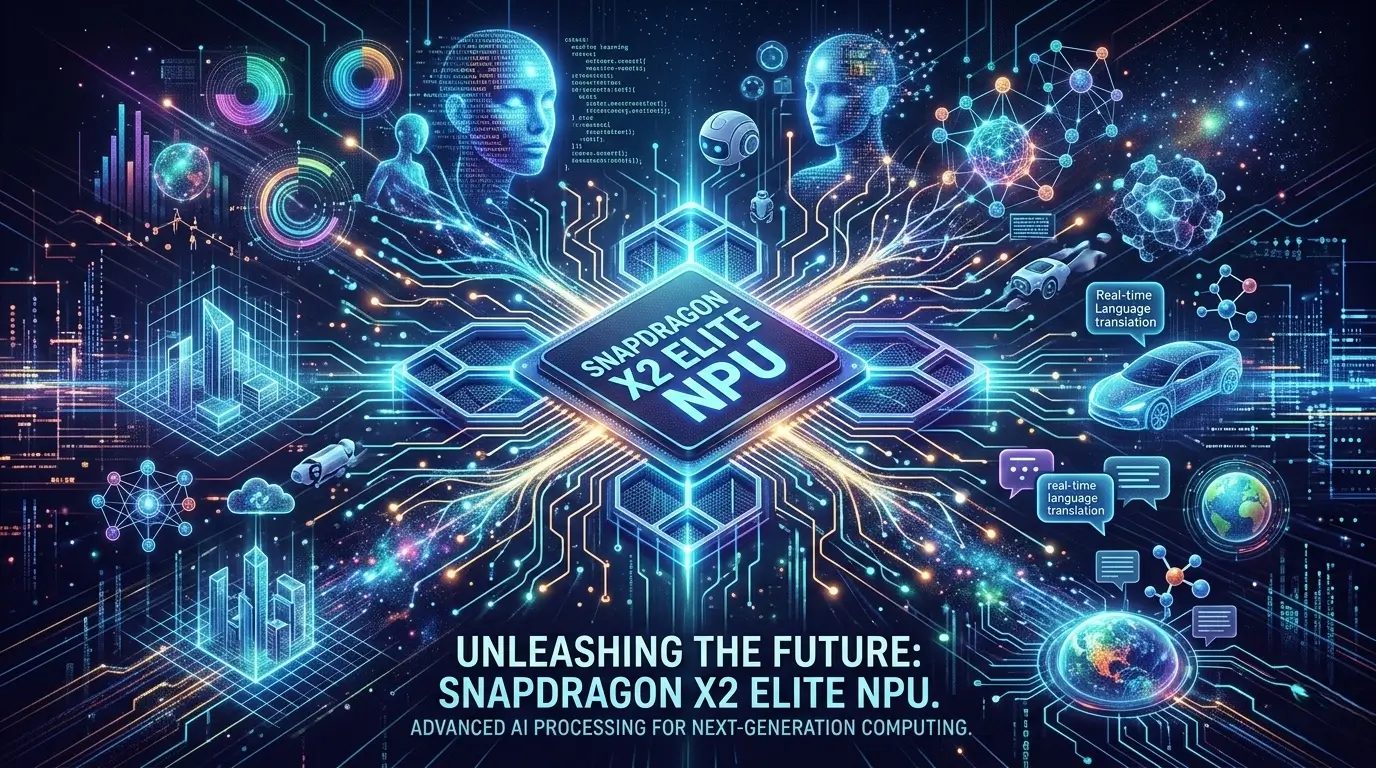
Snapdragon X2 Elite NPU: ARM’s 80 TOPS Architecture for Copilot+ PCs

As AI features become increasingly common in modern laptops, dedicated AI hardware is becoming more important. The Snapdragon X2 Elite NPU is designed to accelerate on-device AI tasks such as real-time transcription, image enhancement, AI assistants, and local language models…

Intel Panther Lake NPU Explained: 50 TOPS AI Performance for AI PCs

The Intel Panther Lake NPU is Intel's next-generation neural processing unit designed for AI PCs and on-device AI workloads. Built into the Panther Lake platform, the NPU delivers up to 50 INT8 TOPS while consuming significantly less power than traditional…

How On-Device AI Powers Truly Private Voice Assistants

What It Is: How On-Device AI Powers Truly Private VoiceHow On-Device AI Powers Truly Private Voice Assistants WorkArchitecture OverviewPerformance Benefits of On-Device AI for Truly Private VoiceReal-World ApplicationsLimitationsWhy On-Device AI Powers Truly Private Voice Assistants MatterKey TakeawaysFrequently Asked QuestionsHow does…

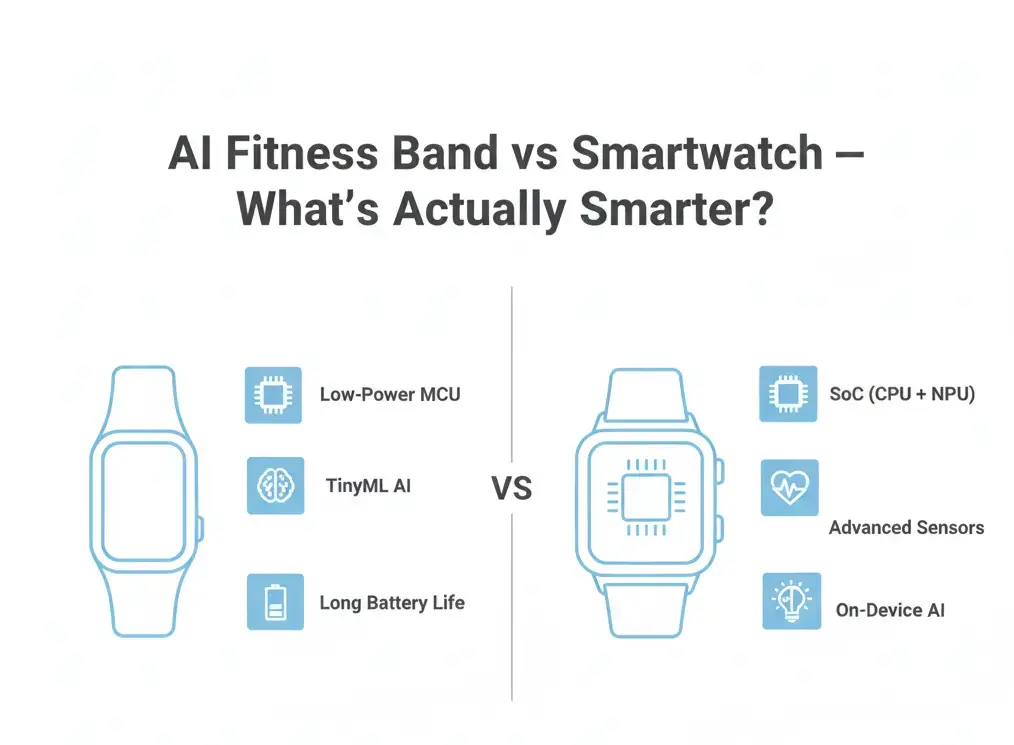
AI Fitness Bands vs Smartwatches: What’s Actually Smarter?

AI Fitness Bands vs Smartwatches: Hardware ContextAI Fitness Bands vs Smartwatches: Architectural BreakdownAI Fitness Bands vs Smartwatches: Hardware Architecture DifferencesPerformance ComparisonProcessing Power and NPU CapabilitiesPower & Thermal BehaviorMemory & Bandwidth HandlingReal-World Deployment: AI Fitness Bands vs Smartwatches: What’s Actually Smarter?Which…

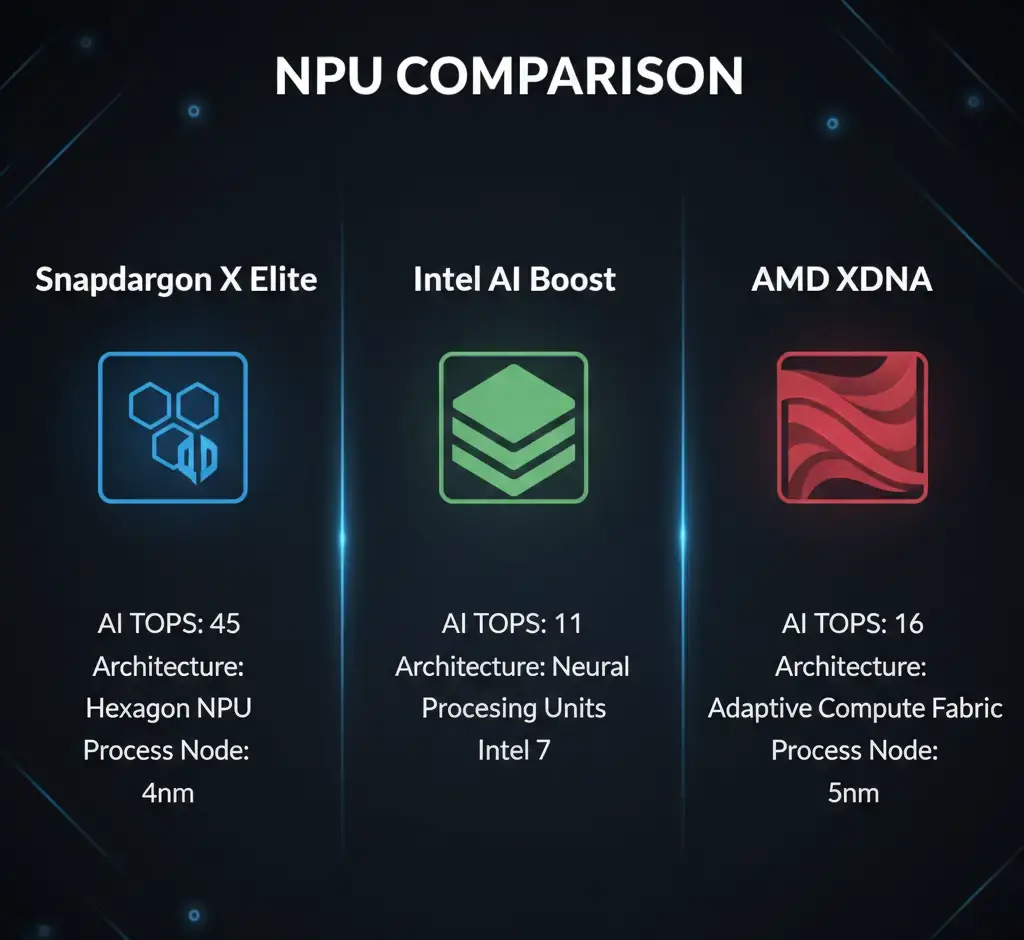
Snapdragon X Elite vs Intel AI Boost vs AMD XDNA: NPU Architecture Comparison

The comparison between Snapdragon X Elite, Intel AI Boost, and AMD XDNA highlights how major chipmakers are approaching on-device artificial intelligence. These dedicated Neural Processing Units (NPUs) power AI features such as real-time image enhancement, speech recognition, background effects, local…

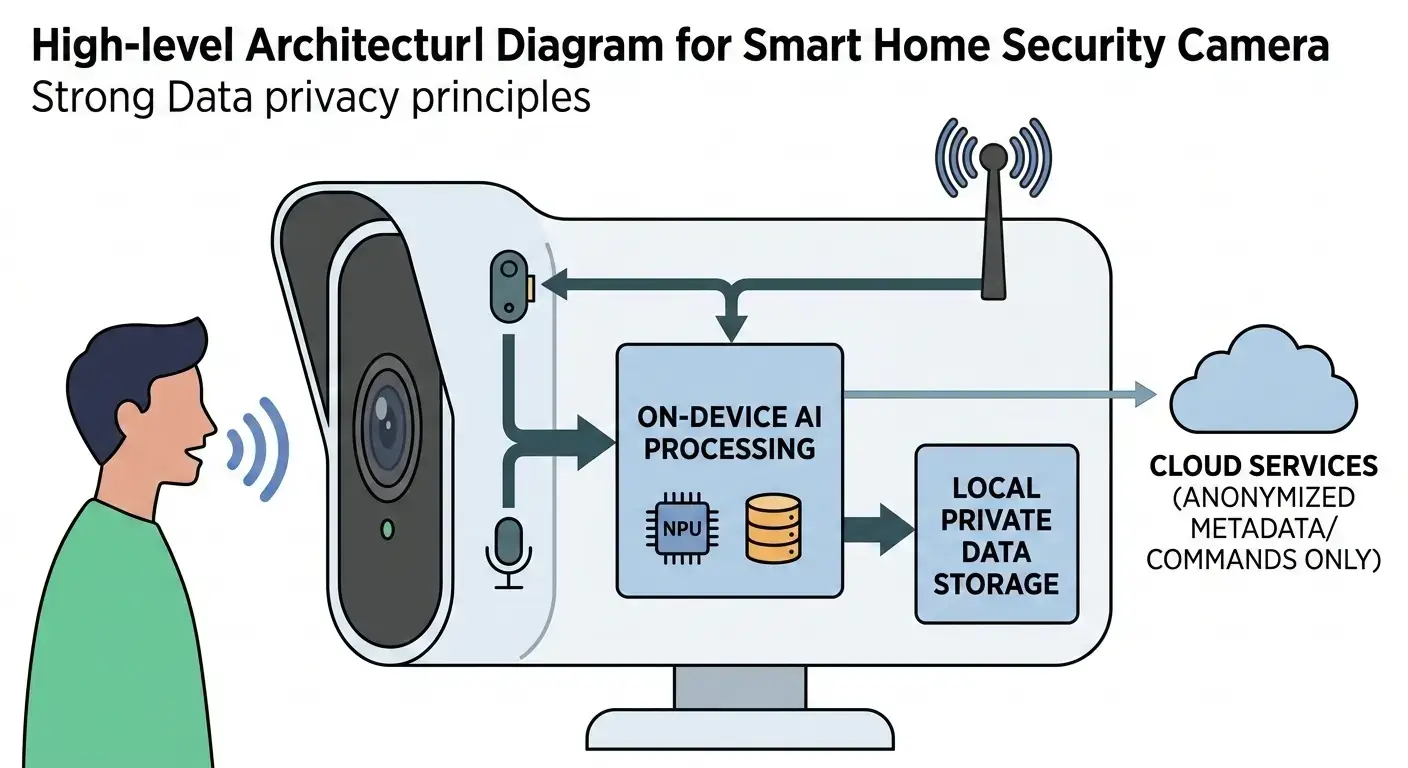
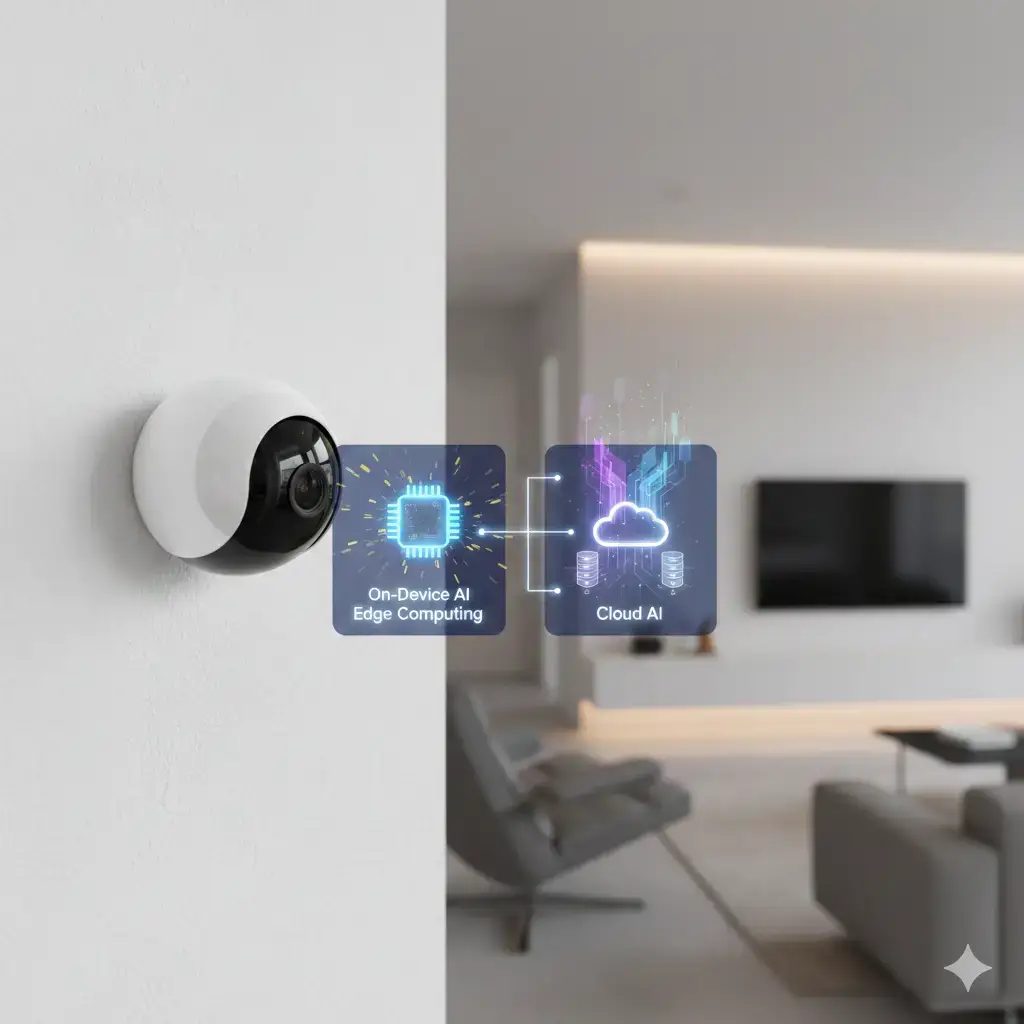
How Hybrid On-Device and Cloud AI Improves Smart Home Cameras

What Is Hybrid On-Device and Cloud AI?How It WorksArchitecture OverviewPerformance CharacteristicsReal-World ApplicationsLimitationsWhy Hybrid AI Matters for Smart Home CamerasEdge AI vs Cloud AI vs Hybrid AI (Comparison Table)Key Takeaways How Hybrid On-Device and Cloud AI Improves Smart Home Cameras can…

 How AI Image Processing Uses ISP + NPU Together

The 5 Essential Architecture InsightsAI Image Processing Architecture in Modern SoCsHow AI Image Processing ISP NPU Works Inside a Modern SoCISP and NPU Microarchitecture DesignPerformance, Throughput, and Power EfficiencyReal-World Applications in Modern DevicesArchitectural Constraints and Trade-OffsWhy AI Image Processing ISP…

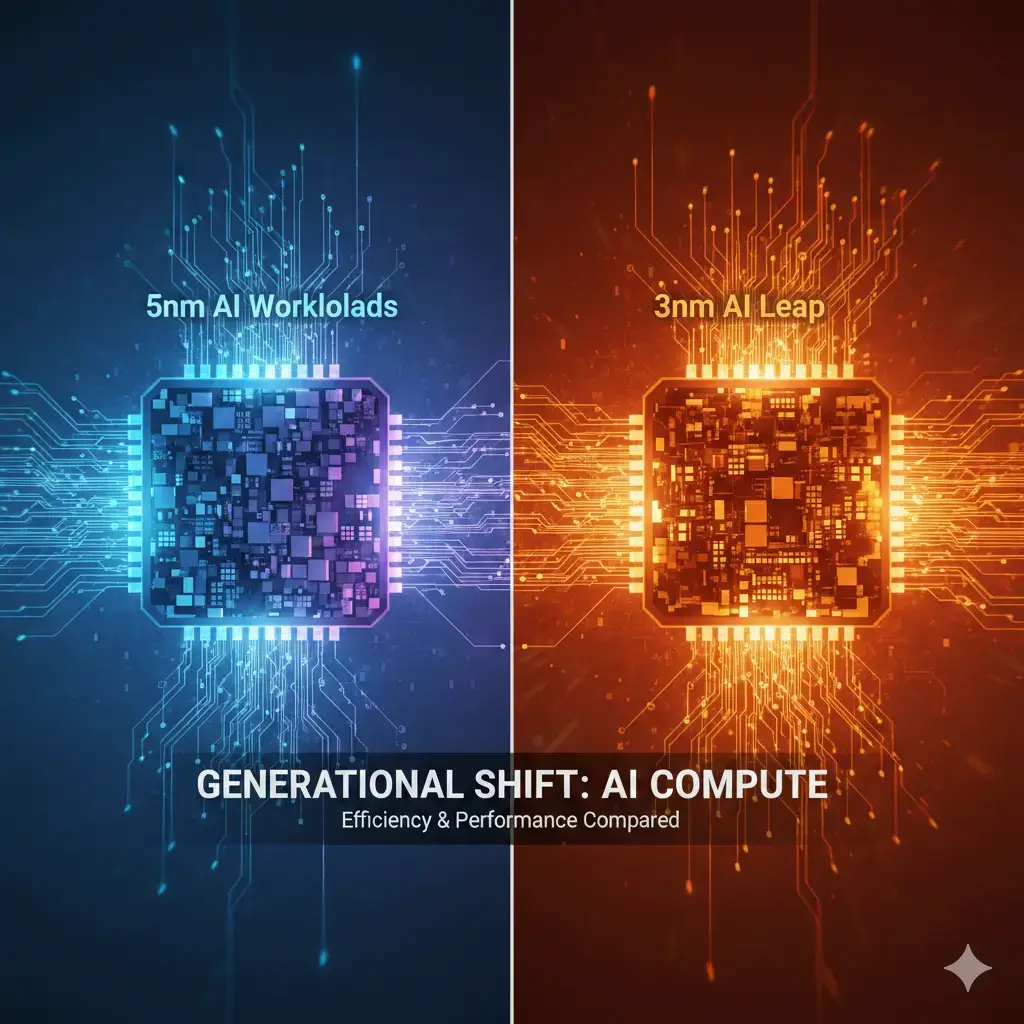
5nm vs 3nm AI Workloads: Performance and Power Differences Explained

Artificial intelligence is rapidly moving from cloud servers to smartphones, laptops, and edge devices. Features such as real-time transcription, AI image generation, local language models, and intelligent assistants increasingly rely on dedicated AI hardware inside modern chips. As a result,…

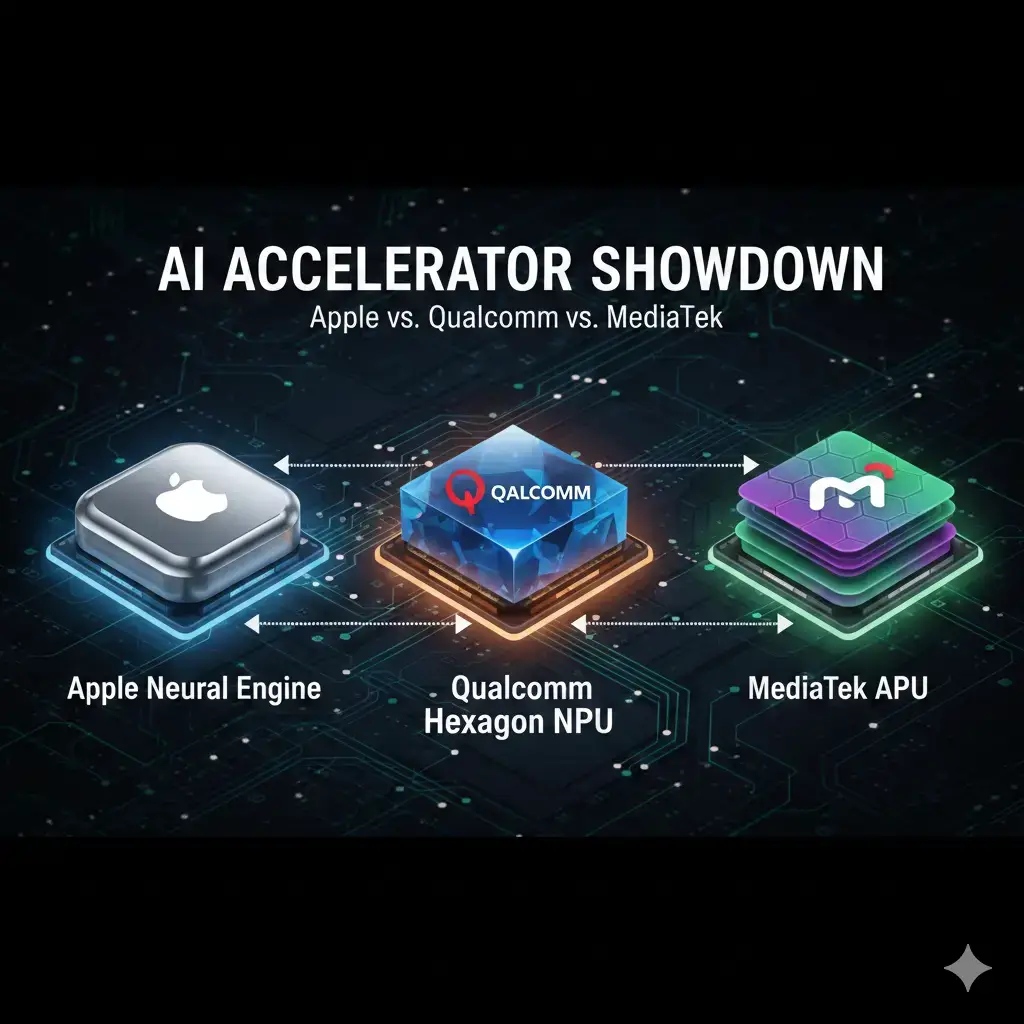
Apple Neural Engine vs Qualcomm Hexagon NPU vs MediaTek APU (2026)

This comparison examines Apple Neural Engine, Qualcomm Hexagon NPU, and MediaTek APU across architecture, AI performance, power efficiency, memory bandwidth, and real-world smartphone workloads. Quick SummaryWhat Each Architecture DoesPopular Devices Using Each AI AcceleratorNeural Engine vs Hexagon NPU vs MediaTek…

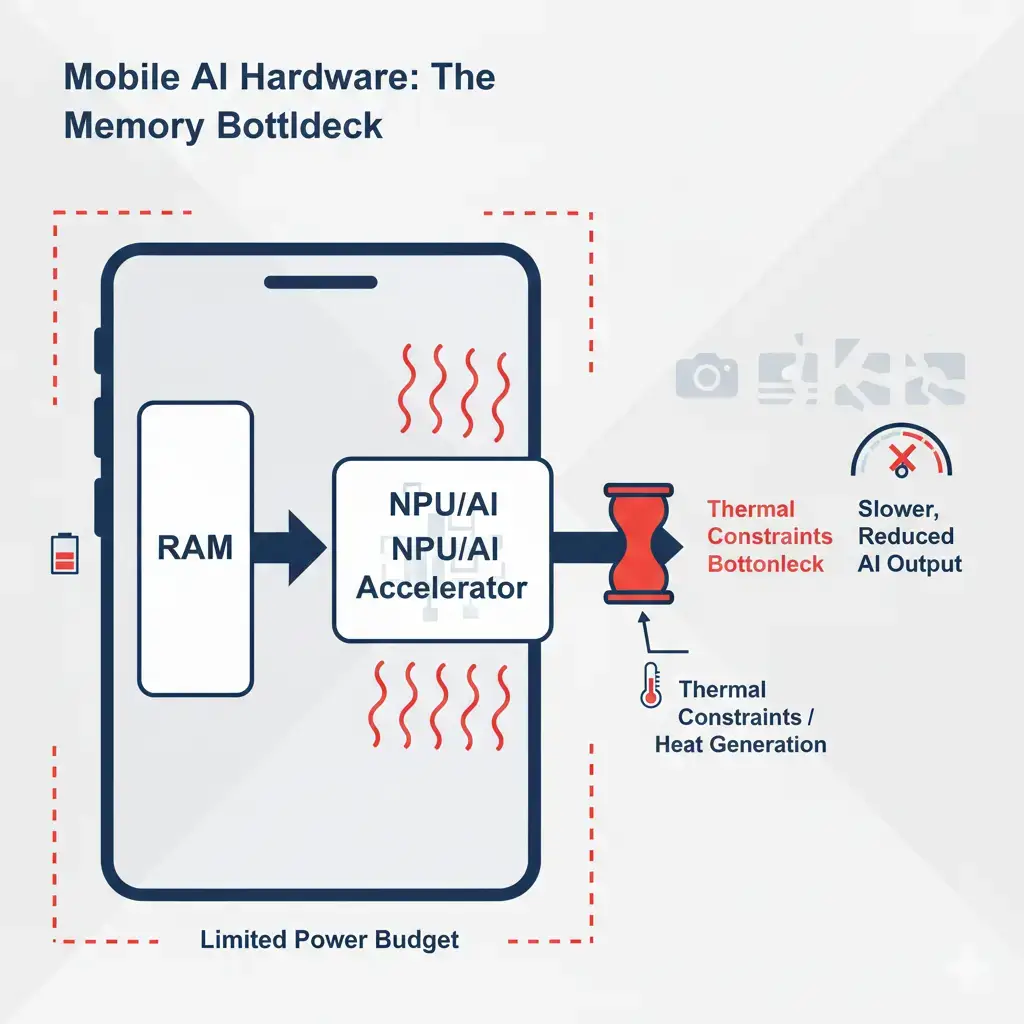
On-Device AI Memory Limits: Performance, Thermal, and Memory Bandwidth Explained

On-device AI memory limits are becoming one of the biggest challenges in modern edge AI systems. While AI accelerators continue to increase in compute power, memory bandwidth, and capacity, thermal constraints often determine real-world performance. This article examines on-device AI…

On-Device AI Cloud Fallback: A Hybrid AI Strategy Explained

On-Device AI Cloud Fallback enables low-latency, private, and offline AI experiences while working within strict power, thermal, and memory limits. When these limits are reached, On-Device AI Cloud Fallback allows systems to route tasks to the cloud, forming a hybrid…

2026 Smart TV NPU Benchmarks: How AI Upscaling Powers Real-Time 8K

NPU Architectures for Real-Time 8K Upscaling in 2026 Smart TV SoCsAt a GlanceWhat Are 2026 Smart TV NPU Benchmarks?Why 8K AI Upscaling Is Computationally DemandingHow AI Upscaling Pipelines Run on Smart TVsInside the NPU: Smart TV NPU Architecture for Video…