Tag: edge ai

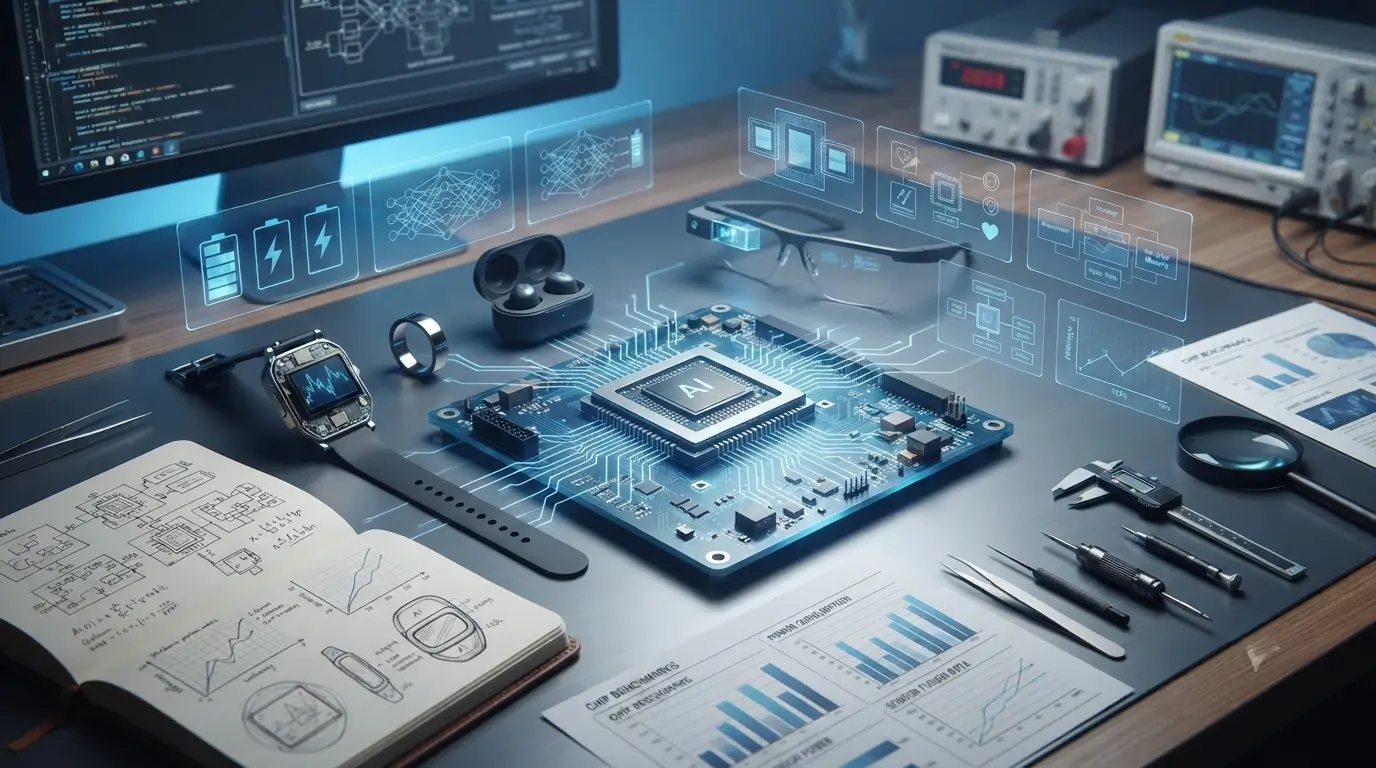
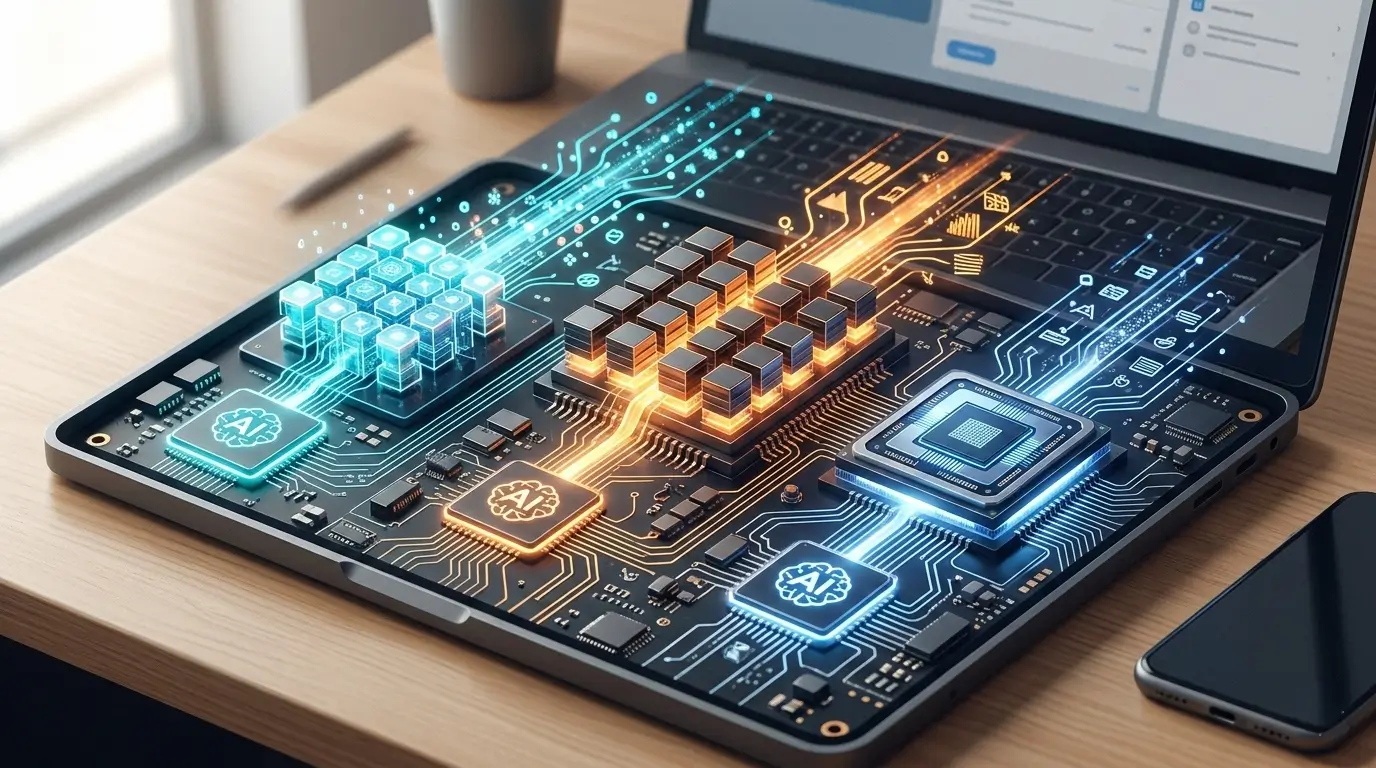
Why TOPS Doesn’t Matter: How to Choose the Right Edge AI Chip for Wearables

A few months ago, if someone had asked me to compare AI chips for wearables, I probably would have started with the biggest TOPS number on the spec sheet. That's what most product launches highlight, and it's easy to assume…

Why On-Device AI Feels Faster Than Cloud AI

Why on-device AI feels faster than cloud AI isn't just about processing power. It comes down to latency, network delays, dedicated AI hardware, and how modern devices execute AI workloads. AI features on modern smartphones and AI PCs can feel…

Sparse vs Dense AI Models: Which Is Better for On-Device AI?

Quick SummaryWhat Are Dense and Sparse AI ModelsSparse vs Dense AI Models: Key DifferencesSparse vs Dense AI Models in Modern AI SystemsPerformance vs Efficiency Trade-offsWhat Is Mixture-of-Experts (MoE)?Power & Thermal BehaviorMemory & Bandwidth HandlingSoftware Ecosystem & ToolingReal-World DeploymentWhat This Means…

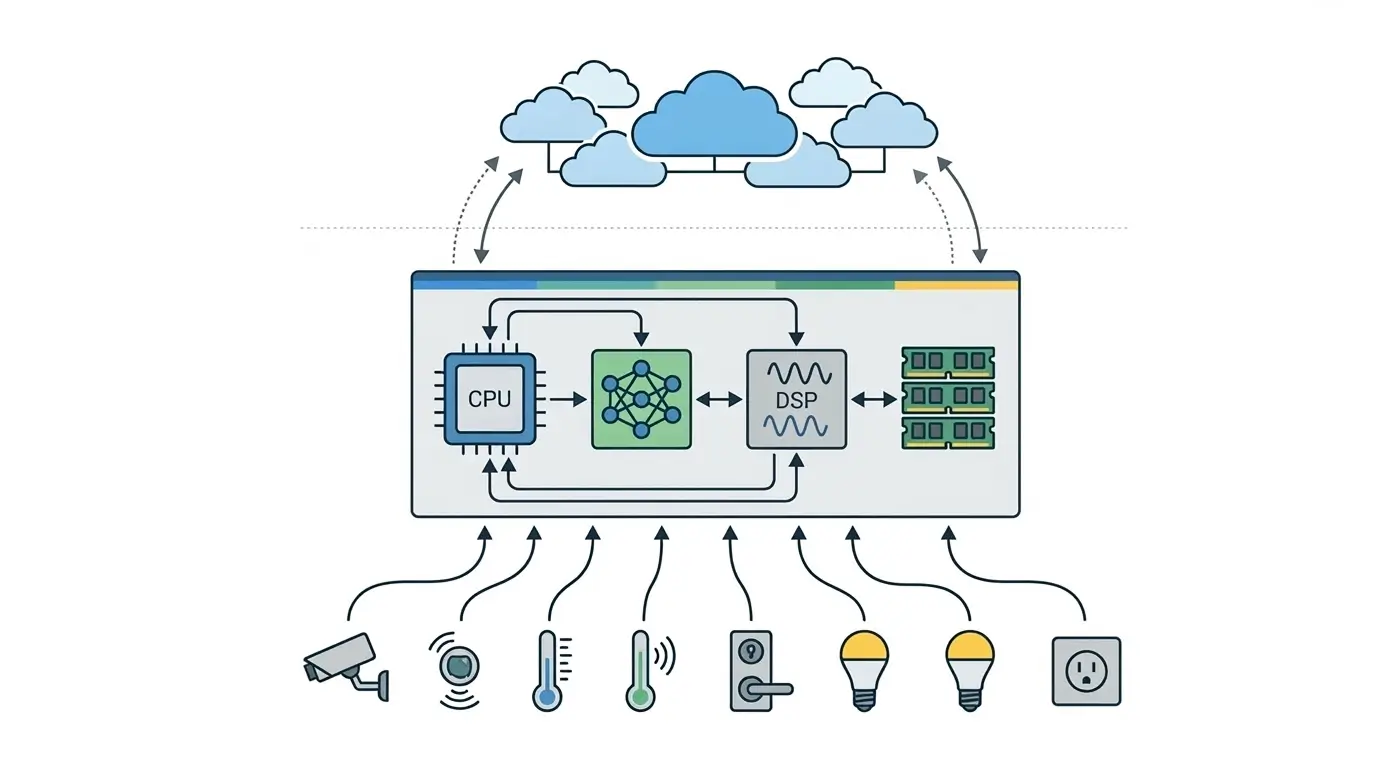
AI Smart Home Hubs: Local Intelligence for Smart Homes

What Are AI Smart Home Hubs?How Local AI Works in Smart Home HubsArchitecture of AI Smart Home HubsPerformance Benefits of Local AIReal-World Applications of AI Smart Home HubsLimitations of Local AI Smart Home DevicesWhy AI Smart Home Hubs MatterKey TakeawaysFAQ:…

AI in Smart Speakers: Local vs Cloud Architecture Explained (Performance & Privacy)

How AI in Smart Speakers Uses Local and Cloud ArchitecturesKey Architectural Differences Between Local and Cloud AIPerformance Comparison: Local vs Cloud AIPower Consumption and Thermal BehaviorMemory and Bandwidth RequirementsSoftware Ecosystem and AI Development ToolsReal-World DeploymentWhich Architecture Is More Efficient?Key Takeaways…

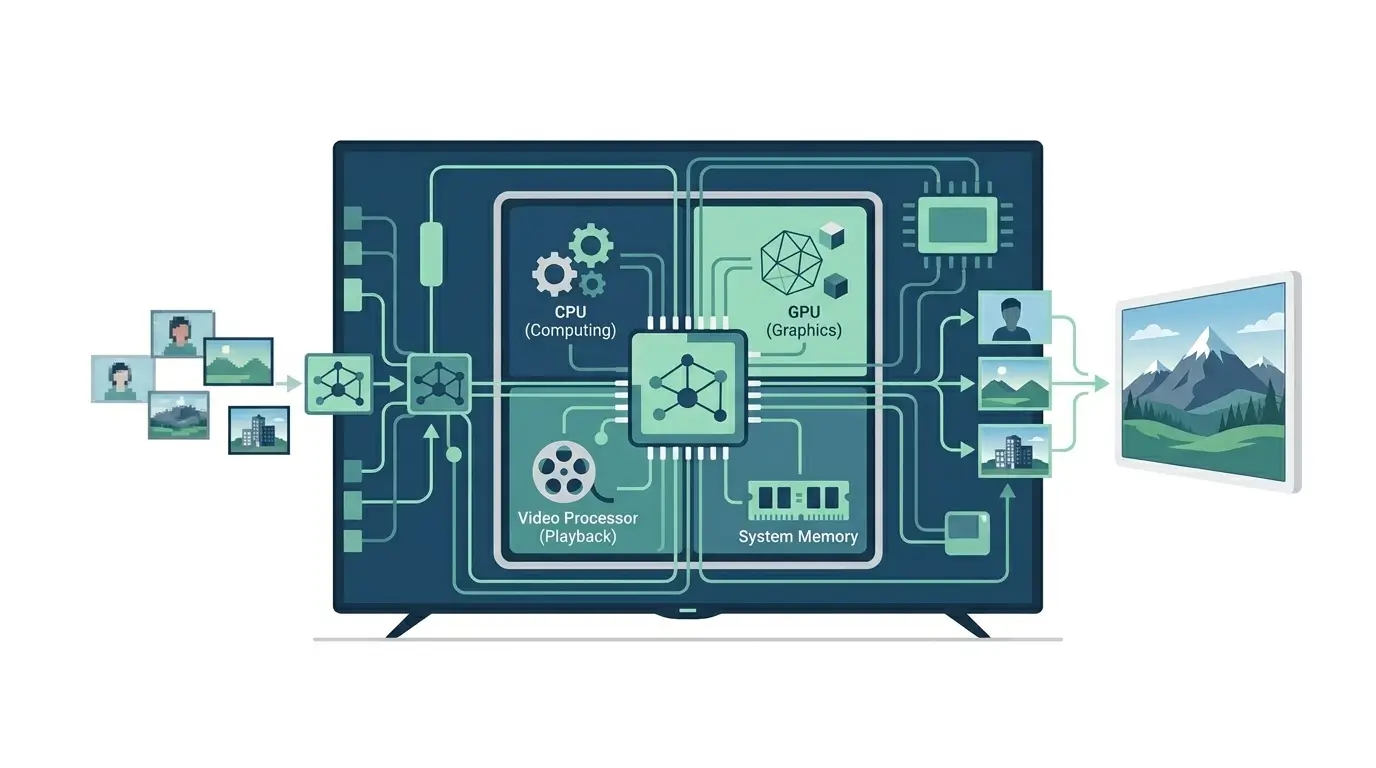
AI in Smart TVs: How Real-Time Upscaling and Scene Detection Work

What AI in Smart TVs IsHow AI in Smart TVs WorksPerformance Characteristics of AI in Smart TVsPerformance CharacteristicsReal-World ApplicationsLimitationsImportance of AI in Smart TVsKey Takeaways AI in Smart TVs uses dedicated Neural Processing Units (NPUs) inside the System-on-Chip (SoC) to…

Edge AI vs Hybrid AI vs Cloud AI: Architecture Comparison

What It IsHow It WorksArchitecture OverviewArchitectural ComparisonPerformance CharacteristicsPower Efficiency and Performance BottlenecksReal-World ApplicationsLimitationsWhy It MattersKey Takeaways Edge AI vs Hybrid AI vs Cloud AI describes three different ways artificial intelligence workloads are deployed. Edge AI runs inference directly on local…

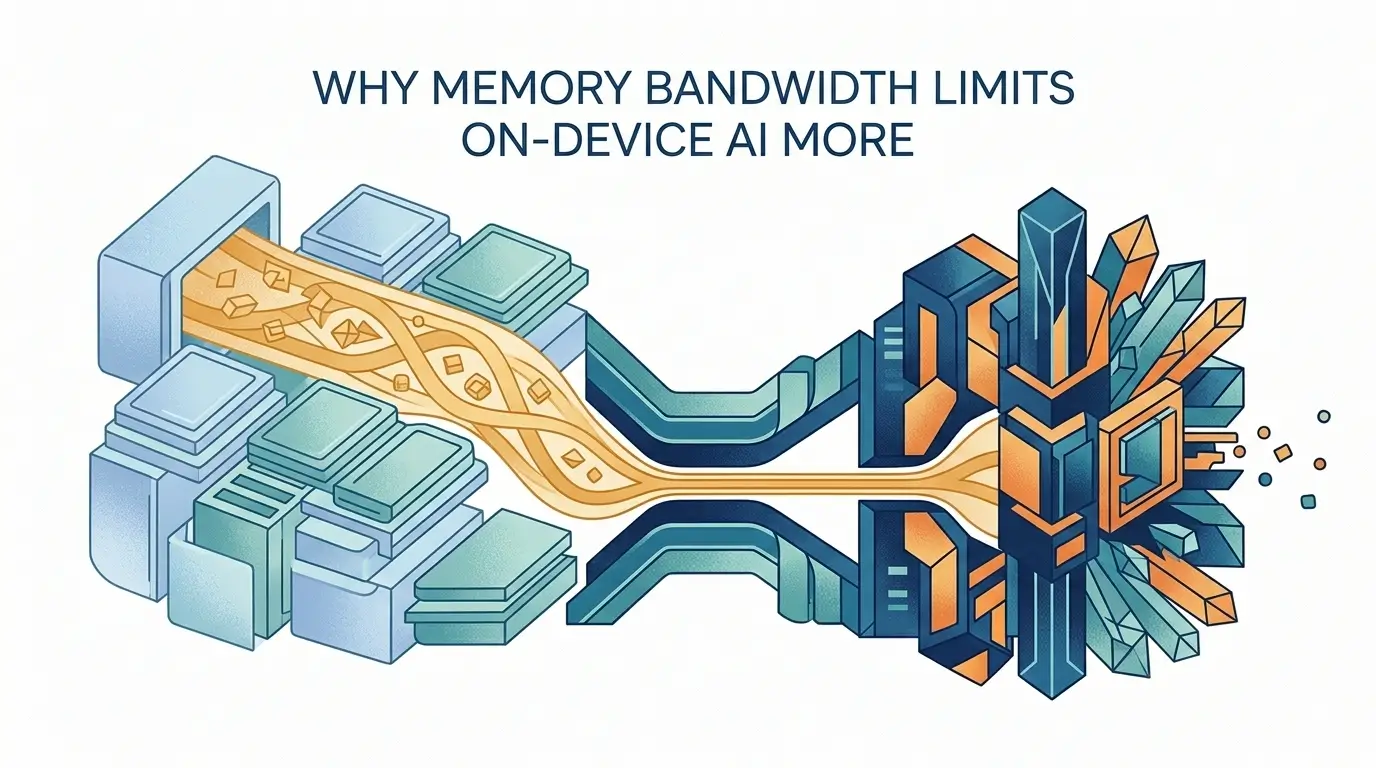
Why Memory Bandwidth Limits On-Device AI More Than Compute Power

What Is Memory Bandwidth in On-Device AI HardwareHow Memory Bandwidth Bottlenecks AI InferenceOn-Device AI Architecture and Memory Bandwidth ConstraintsPerformance Characteristics: Why Memory Bandwidth Limits On-Device AIReal-World On-Device AI Workloads Affected by Memory LimitsKey Limitations of Memory Bandwidth in Mobile AI…

NPU vs GPU vs CPU: Which Is Best for AI Inference on Consumer Devices?

Why This Matters for YouCPU vs GPU vs NPU: Quick Comparison TableHow CPU, GPU, and NPU Handle AI InferenceCPUGPUNPUWhen Should You Use CPU, GPU, or NPU for AI Inference?Use CPU for AI Inference When:Use GPU for AI Inference When:Use NPU…

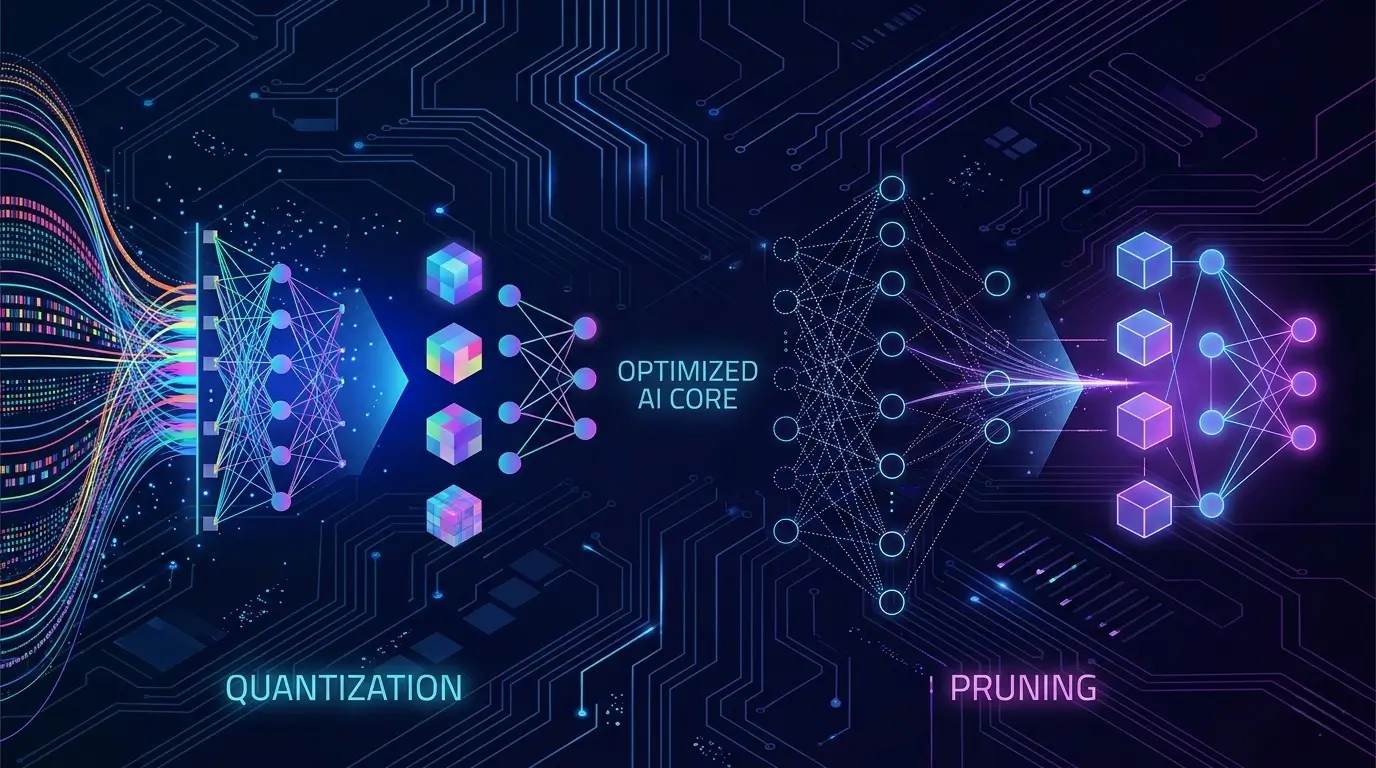
Quantization vs Pruning: Optimizing LLMs for Edge Devices

QuantizationPruningArchitectural DifferencesLatencyTOPS (Tera Operations Per Second)Power ConsumptionMemory Footprint & BandwidthSoftware EcosystemDeployment ConsiderationsWhich Design Is More EfficientKey Takeaways This Quantization vs Pruning comparison explains how both optimization strategies affect edge LLM deployment efficiency. For large language models (LLMs) on edge devices, quantization primarily optimizes the numerical…

Neuromorphic Chips Explained: Brain-Inspired AI Processing for Future Wearables

Neuromorphic chips are a class of brain-inspired processors designed for event-driven, asynchronous computation, fundamentally departing from traditional von Neumann architectures. They excel at processing sparse, real-time data streams with high power efficiency and low latency for specific workloads, making them ideal for always-on AI applications…

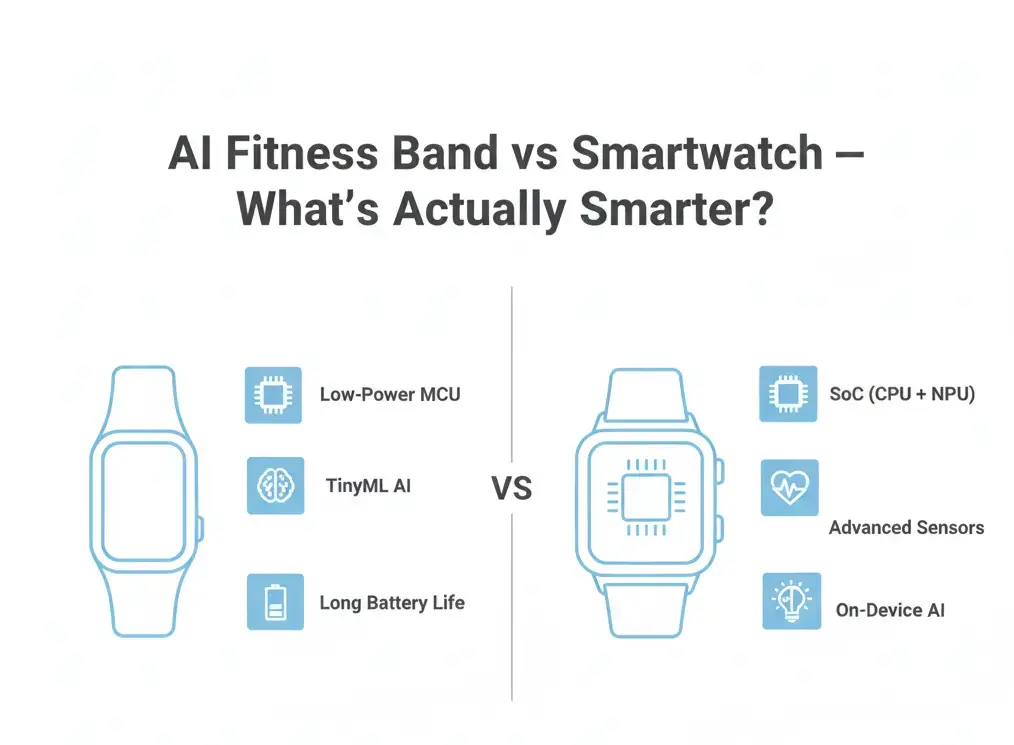
AI Fitness Bands vs Smartwatches: What’s Actually Smarter?

AI Fitness Bands vs Smartwatches: Hardware ContextAI Fitness Bands vs Smartwatches: Architectural BreakdownAI Fitness Bands vs Smartwatches: Hardware Architecture DifferencesPerformance ComparisonProcessing Power and NPU CapabilitiesPower & Thermal BehaviorMemory & Bandwidth HandlingReal-World Deployment: AI Fitness Bands vs Smartwatches: What’s Actually Smarter?Which…