Blog

AI PC Features That Matter in 2026: What Actually Helps and What Is Mostly Marketing?

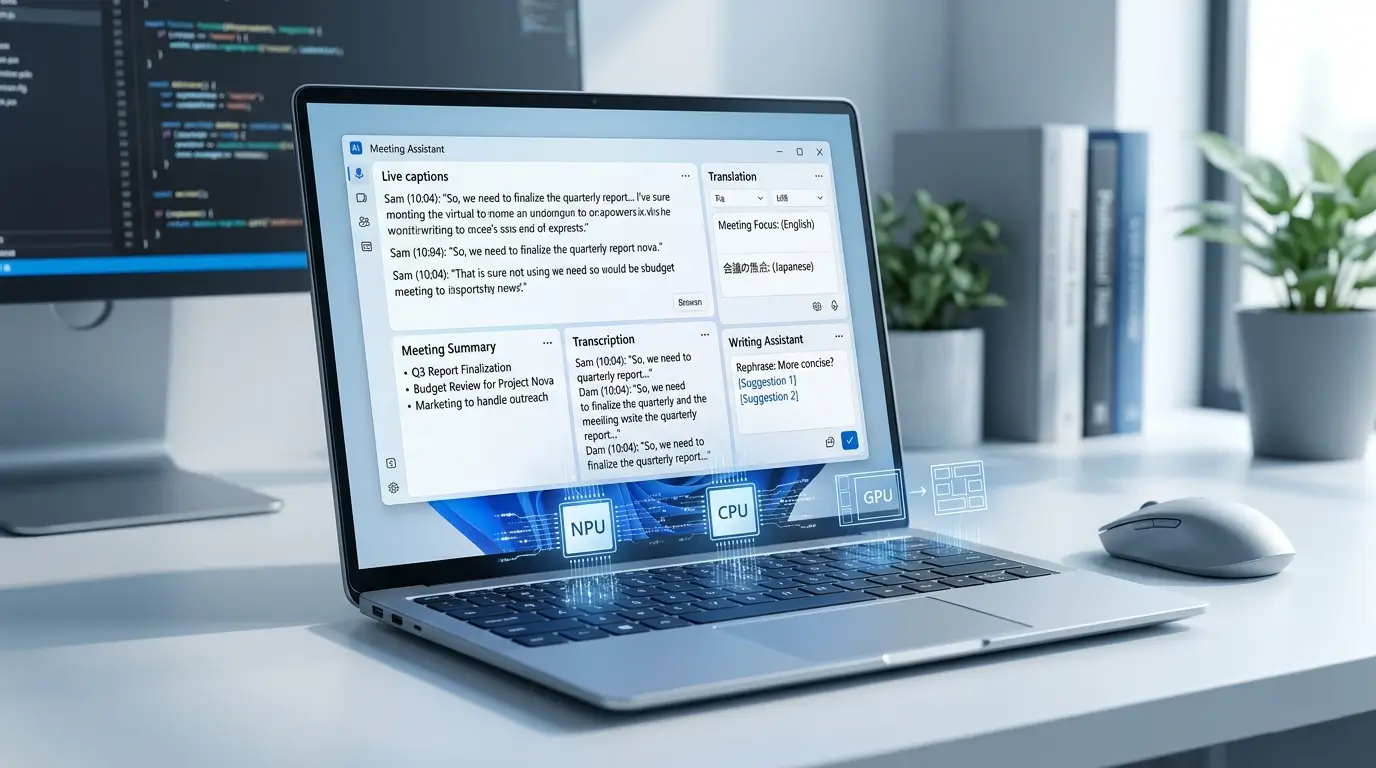
AI PCs are everywhere in 2026. Whether you’re looking at the latest Lenovo Yoga Slim 7x, Microsoft Surface Laptop, Samsung Galaxy Book5 Pro, ASUS Zenbook A14, or Apple’s MacBook Air M4, you’ll see terms like AI PC, Copilot+ PC, NPU,…

Best AI Tablets in 2026: NPU Performance Rankings Explained

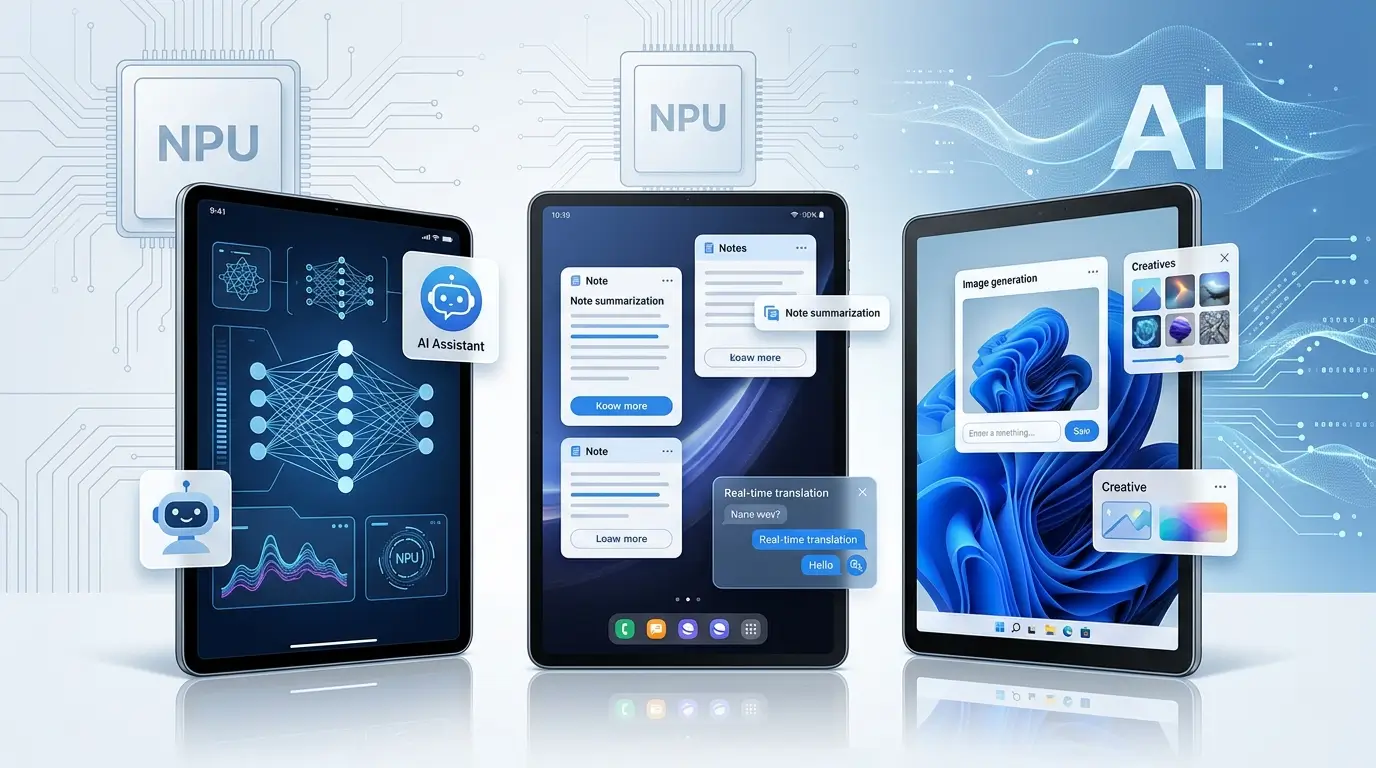
The best AI tablets in 2026 are no longer defined solely by display quality or processor speed. Modern tablets increasingly rely on dedicated Neural Processing Units (NPUs) to power AI features such as note summarization, image generation, translation, and intelligent…

Best AI Phones in 2026: Which AI Features Are Actually Useful?

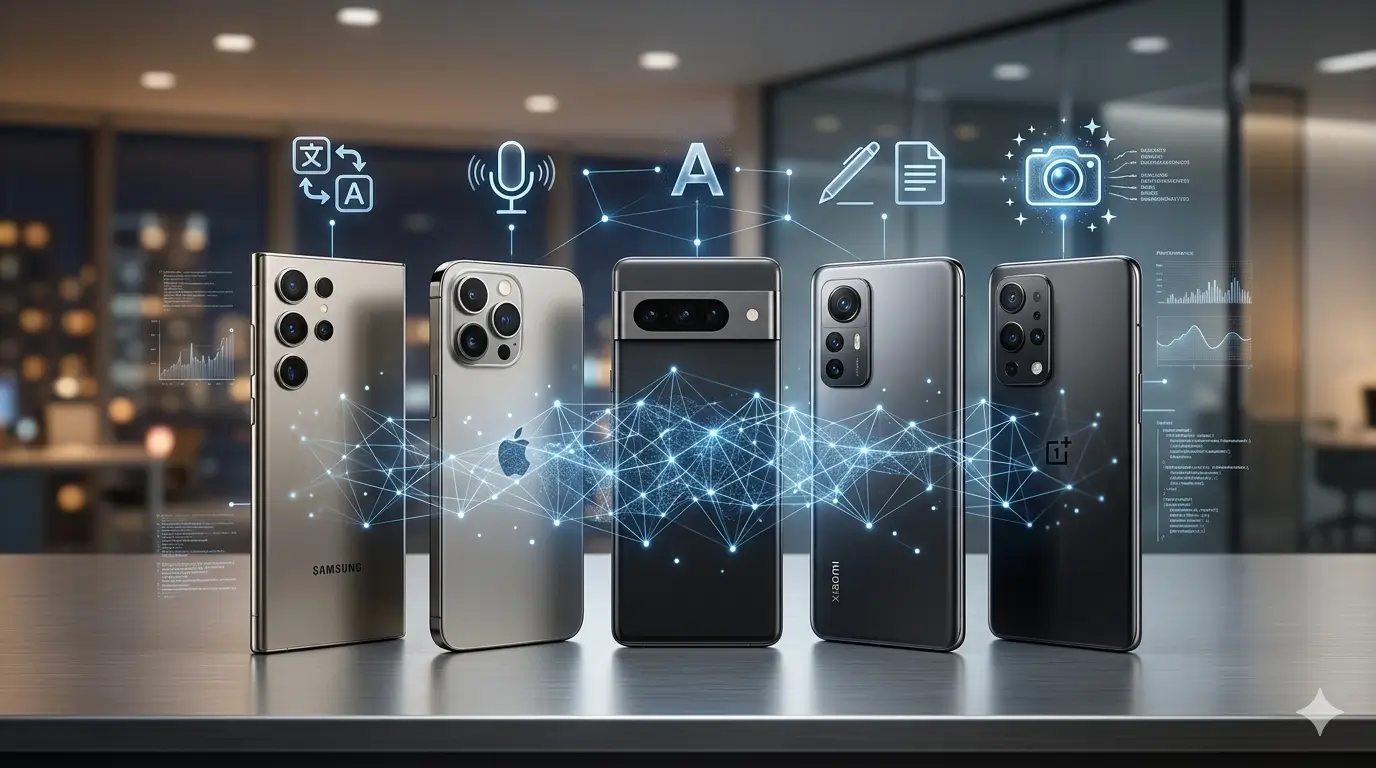
Artificial intelligence has become one of the biggest reasons people upgrade their smartphones. Every major brand now talks about AI, whether it’s Samsung’s Galaxy AI, Apple’s Apple Intelligence, Google’s Gemini Nano, or Xiaomi’s HyperAI platform. But there is one problem.…

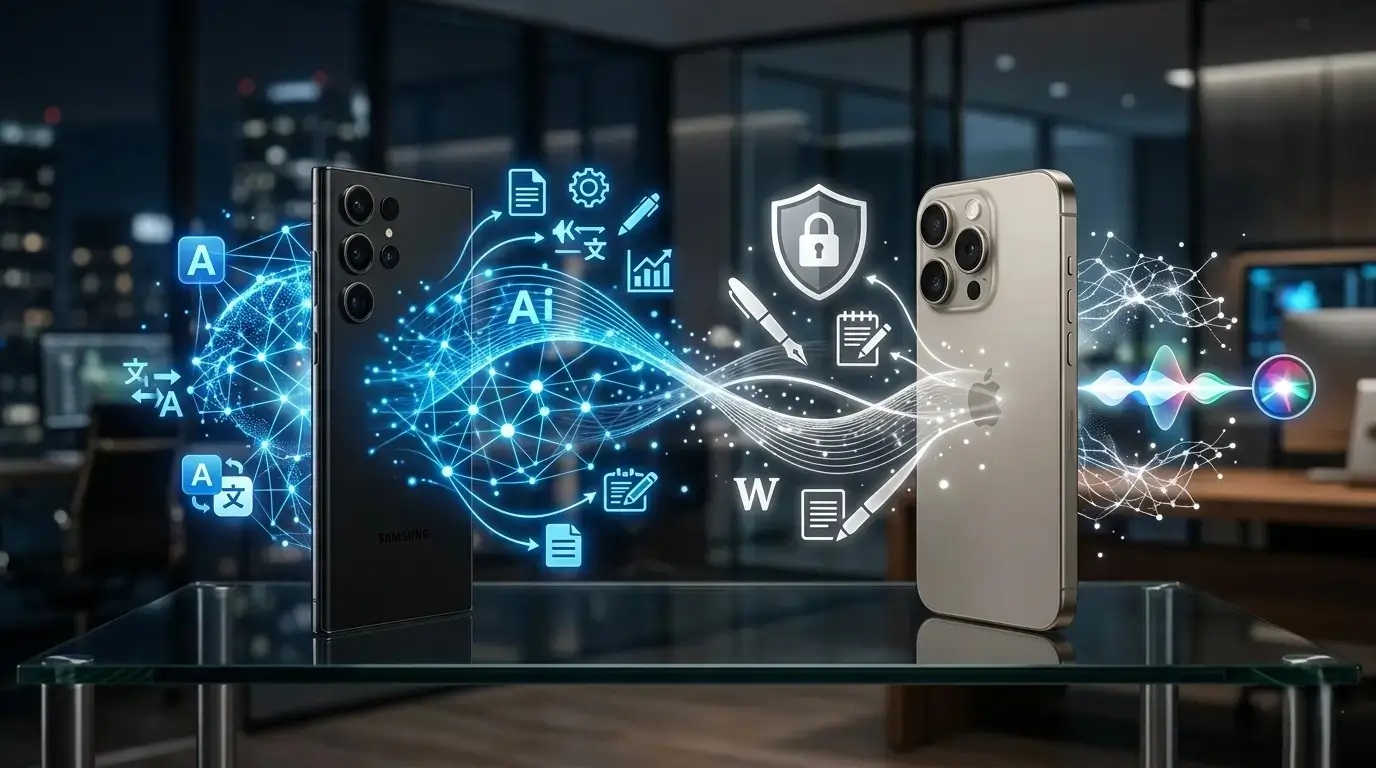
Galaxy AI vs Apple Intelligence: Which AI Ecosystem Is Better in 2026?

Quick Answer Apple Intelligence is privacy-first; Galaxy AI is feature-first. Apple leans on on-device processing plus Private Cloud Compute, while Samsung ships a broader, more visible feature set across its devices. This compares privacy, productivity, and ecosystem. Galaxy AI vs.…

Why Noise Cancellation Gets Worse When You Move — The AI Limit No One Talks About

Quick Answer ANC weakens when you move because the model cannot keep up: noise cancellation predicts incoming sound, and rapid motion plus a changing acoustic environment outpace that prediction, so sound leaks back in. This explains why it happens and…

Why AI Video Recording Drains Battery 3x Faster Than Regular Recording in Smartphones

Quick Answer AI video recording drains battery up to 3x faster because the ISP, NPU, and video codec all run continuously at high frame rates. This explains what happens inside the phone, what users actually experience, and what limits it…

How Android and iOS Schedule AI Tasks (CPU, GPU, and NPU Explained)

When you use features like AI photo enhancement, live translation, voice assistants, or object recognition, your smartphone must decide where those AI tasks should run. Some workloads are better suited for the CPU, others for the GPU, while modern devices…

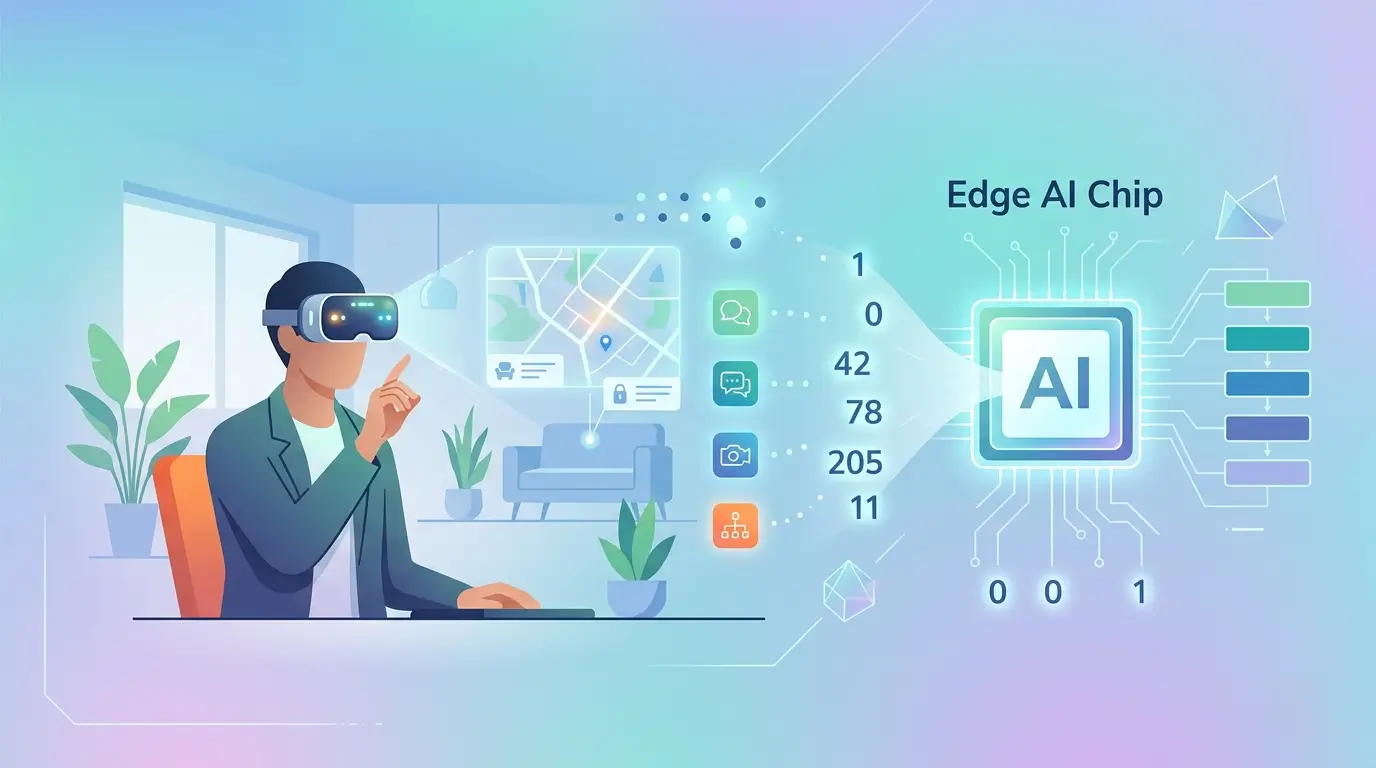
Why Edge AI Chips Use Integer Arithmetic

Quick Answer Integer math is the secret of efficient edge AI: INT8 and INT4 operations use far less power and silicon than floating point while staying accurate enough for inference. This explains how quantization works, the accuracy trade-off, and why…

Sparse vs Dense AI Models: Which Is Better for On-Device AI?

Table of Contents Quick Summary What Are Dense and Sparse AI Models Sparse vs Dense AI Models: Key Differences Sparse vs Dense AI Models in Modern AI Systems Performance vs Efficiency Trade-offs What Is Mixture-of-Experts (MoE)? Power & Thermal Behavior…

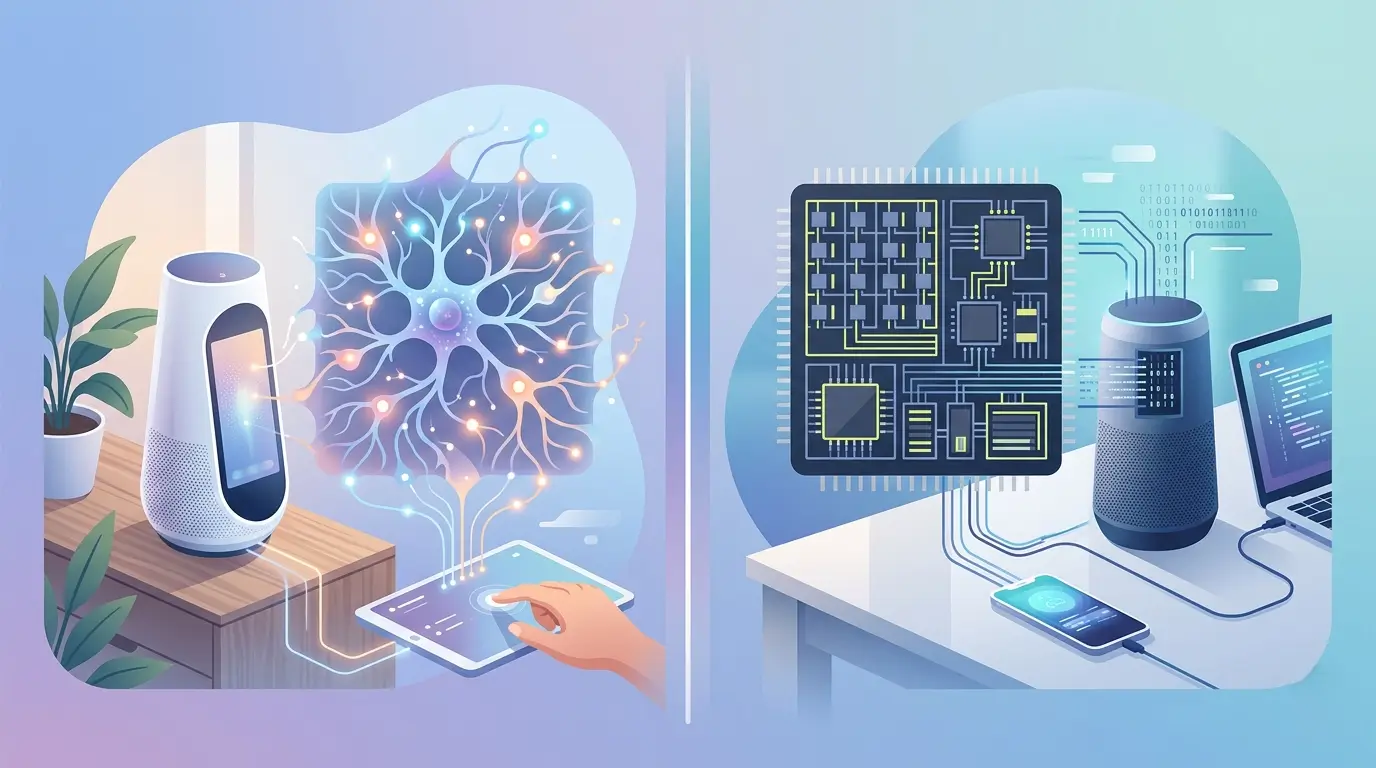
Neuromorphic vs Traditional AI Chips: The Future of Wearable AI

Quick Answer Traditional chips waste energy shuttling data between memory and compute; neuromorphic chips use event-driven, spiking computation inspired by the brain. This compares the two architectures for wearable AI, including power and development maturity. Table of Contents Traditional vs…

AI Model Loading Time on Devices: Hidden Bottleneck Explained

Quick Answer Model loading time is a hidden cost you pay before inference even starts. Reading weights into memory takes time and energy on every launch, and larger models make it worse. This explains what drives load time and how…

How AI Earbuds Adapt Sound Using On-Device Machine Learning

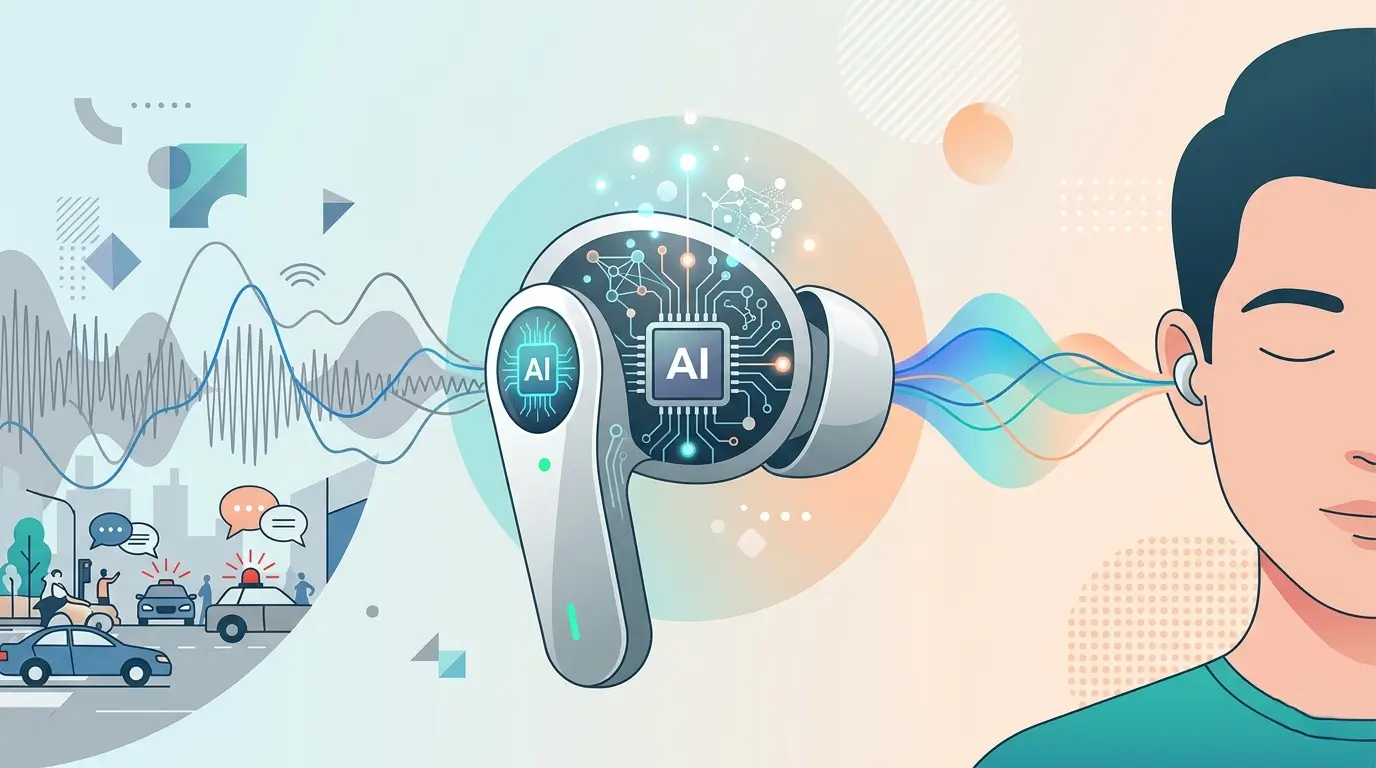
AI earbuds adapt sound using on-device AI processing that runs machine learning models directly inside the earbud. Specialized System-on-Chip (SoC) architectures combine Digital Signal Processors (DSPs) and Neural Processing Units (NPUs) to analyze ambient noise, optimize audio output, and enable…