Category: Device AI

Explore how AI features work across smartphones, laptops, smart TVs, wearables, and connected devices, including on-device AI capabilities and limitations.

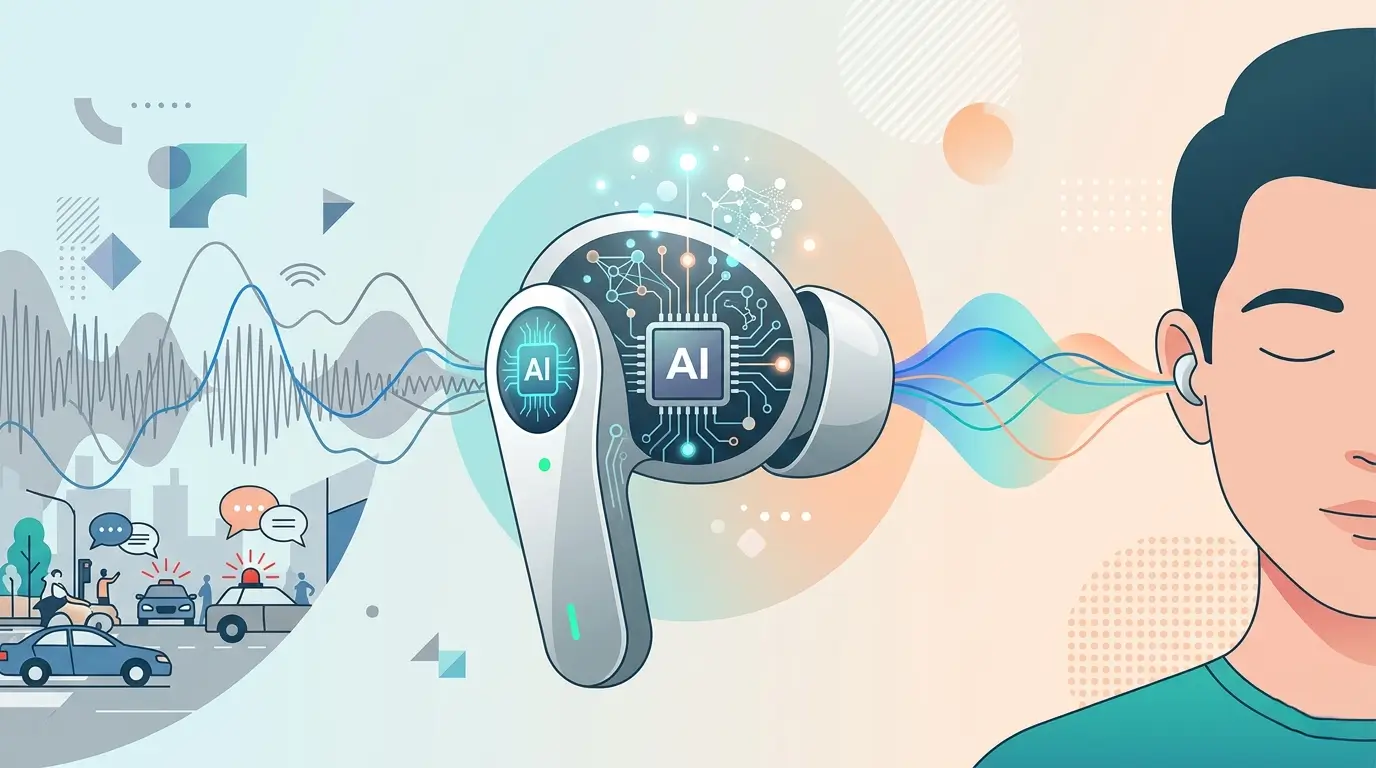
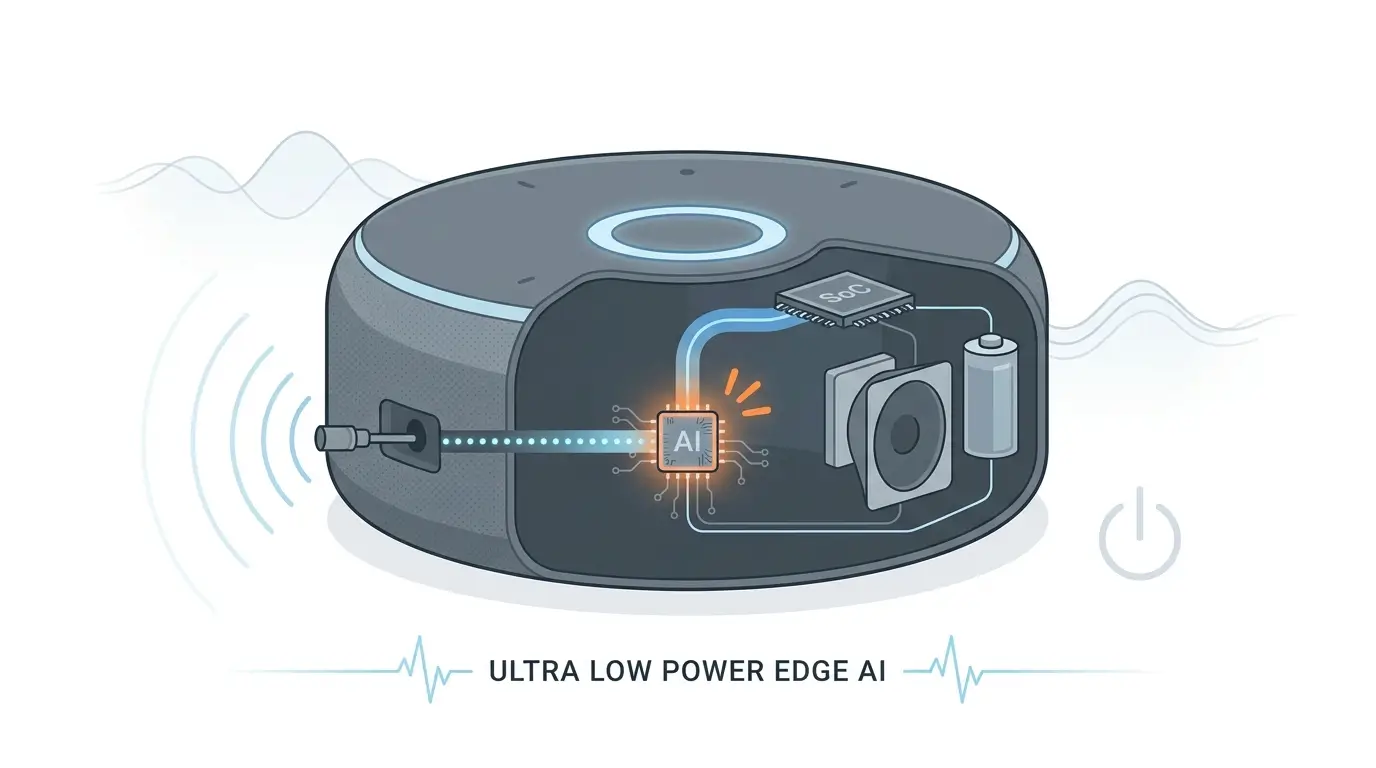
Background AI Wake Word Performance-Per-Watt Optimization

Why can a smart speaker listen for “Alexa” all day without dramatically increasing your electricity bill? How can a smartwatch or AI earbud continuously wait for a voice command without draining its battery? The answer lies in background AI wake…

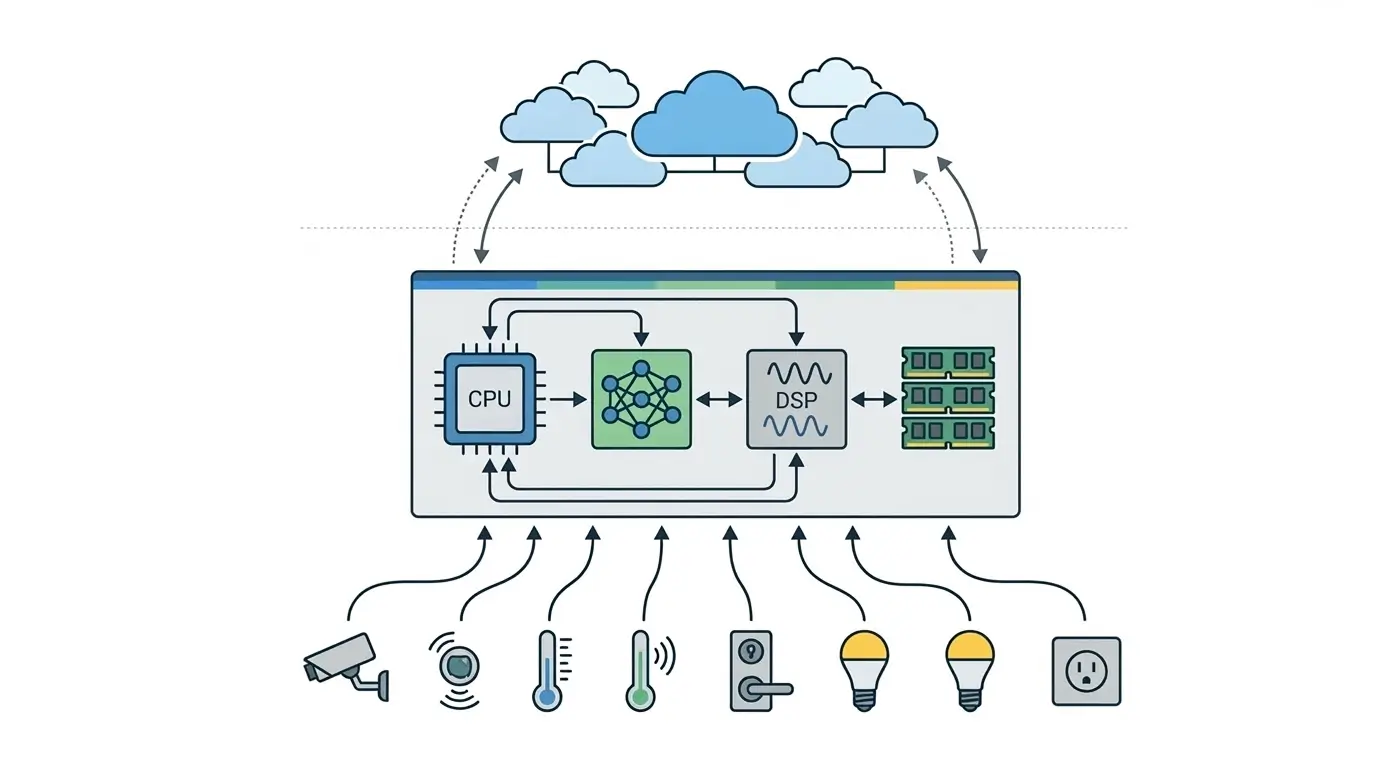
AI Smart Home Hubs: Local Intelligence for Smart Homes

What Are AI Smart Home Hubs?How Local AI Works in Smart Home HubsArchitecture of AI Smart Home HubsPerformance Benefits of Local AIReal-World Applications of AI Smart Home HubsLimitations of Local AI Smart Home DevicesWhy AI Smart Home Hubs MatterKey TakeawaysFAQ:…

AI in Smart Speakers: Local vs Cloud Architecture Explained (Performance & Privacy)

How AI in Smart Speakers Uses Local and Cloud ArchitecturesKey Architectural Differences Between Local and Cloud AIPerformance Comparison: Local vs Cloud AIPower Consumption and Thermal BehaviorMemory and Bandwidth RequirementsSoftware Ecosystem and AI Development ToolsReal-World DeploymentWhich Architecture Is More Efficient?Key Takeaways…

AI in Smart TVs: How Real-Time Upscaling and Scene Detection Work

What AI in Smart TVs IsHow AI in Smart TVs WorksPerformance Characteristics of AI in Smart TVsPerformance CharacteristicsReal-World ApplicationsLimitationsImportance of AI in Smart TVsKey Takeaways AI in Smart TVs uses dedicated Neural Processing Units (NPUs) inside the System-on-Chip (SoC) to…

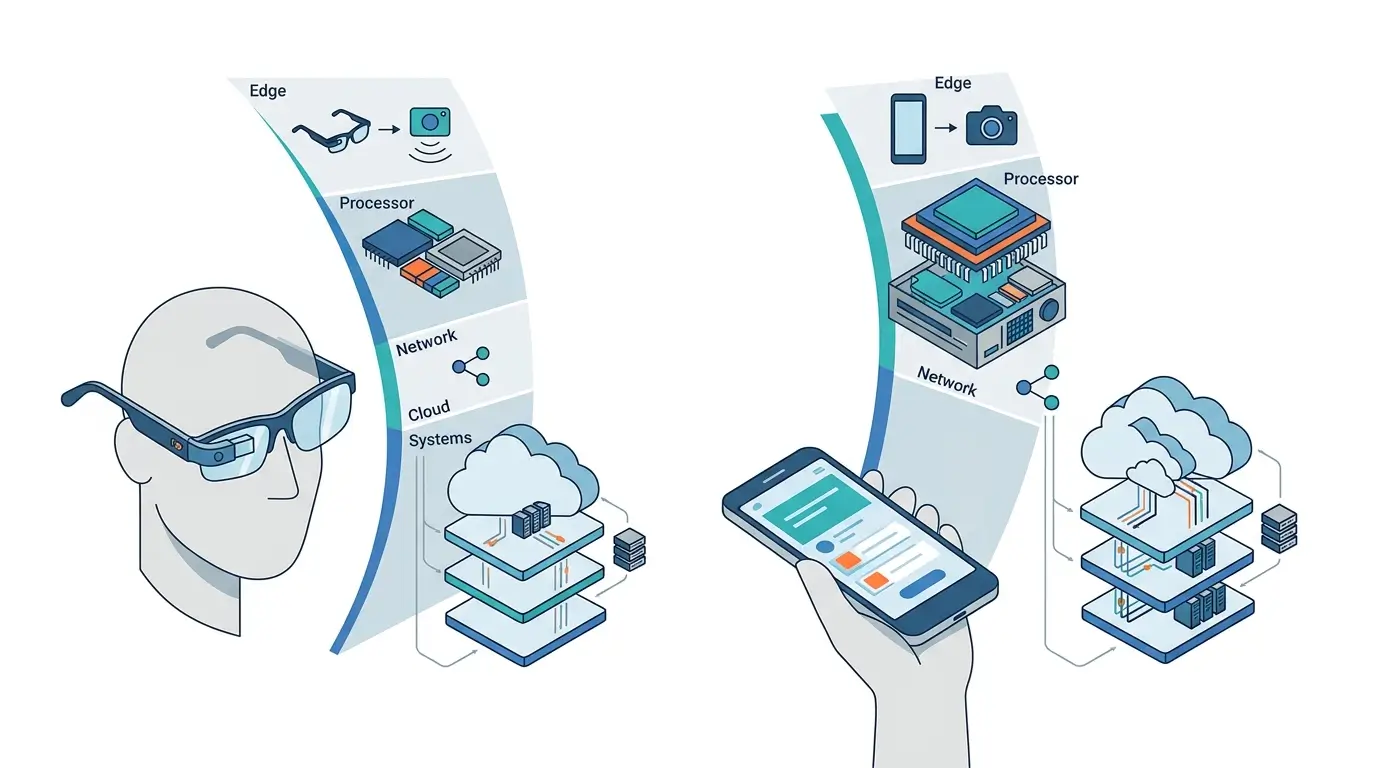
AI Glasses vs Smartphones: Where Personal AI Will Live

What Each Architecture DoesAI Glasses vs Smartphones: Architectural DifferencesAI Glasses vs Smartphones Performance ComparisonPower & Thermal BehaviorMemory & Bandwidth HandlingSoftware Ecosystem & ToolingReal-World DeploymentWhich Design Is More EfficientKey Takeaways The future of personal AI leverages a distributed compute system, highlighting the…

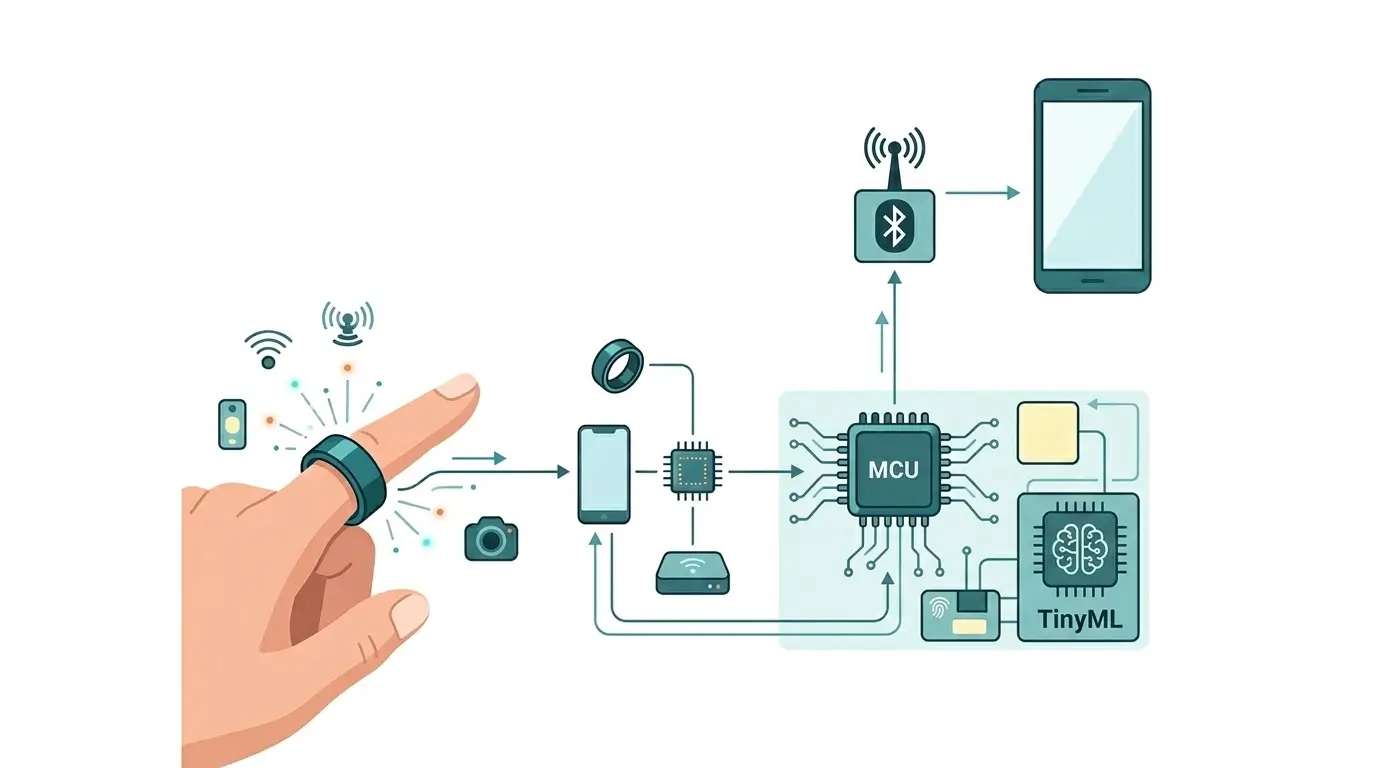
AI Smart Rings Explained: How Tiny Devices Run Health Models

What It IsHow It WorksAI Smart Rings Explained: Architecture OverviewPerformance CharacteristicsReal-World ApplicationsLimitationsWhy It MattersKey Takeaways AI Smart Rings Explained: AI smart rings are small wearable devices that use biometric sensors and ultra-low-power AI chips to continuously track health. Instead of…

How AI Glasses Process Vision in Real Time

What AI Glasses Vision Processing MeansHow AI Glasses Process Vision in Real TimeAI Glasses Hardware Architecture for Real-Time VisionPerformance Requirements for Real-Time AI Vision in GlassesReal-World Applications of AI Vision in Smart GlassesTechnical Limitations of AI Vision Processing in GlassesWhy…

Why AI Features Make Smartphones Heat Up

What On-Device AI Means for SmartphonesHow AI Features Run on Smartphone HardwareSmartphone AI Architecture OverviewPerformance Characteristics of Mobile AIReal-World AI Features on SmartphonesLimitations of On-Device AI ProcessingWhy It MattersKey Takeaways Why AI features make smartphones heat up is primarily due…

How On-Device AI Powers Truly Private Voice Assistants

What It Is: How On-Device AI Powers Truly Private VoiceHow On-Device AI Powers Truly Private Voice Assistants WorkArchitecture OverviewPerformance Benefits of On-Device AI for Truly Private VoiceReal-World ApplicationsLimitationsWhy On-Device AI Powers Truly Private Voice Assistants MatterKey TakeawaysFrequently Asked QuestionsHow does…

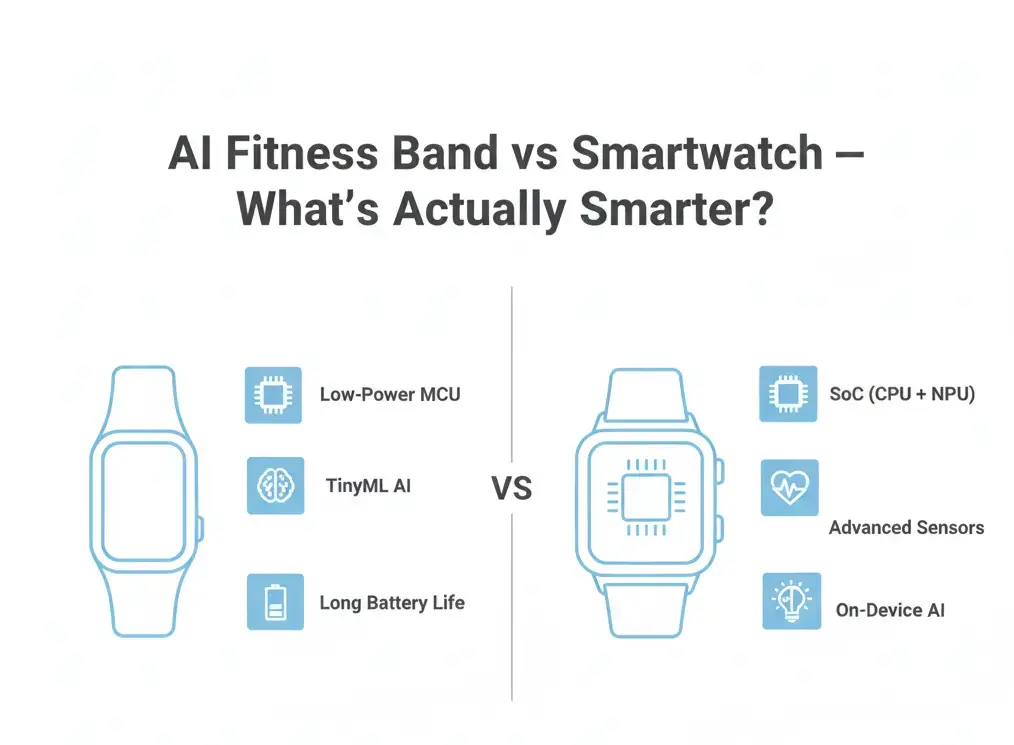
AI Fitness Bands vs Smartwatches: What’s Actually Smarter?

AI Fitness Bands vs Smartwatches: Hardware ContextAI Fitness Bands vs Smartwatches: Architectural BreakdownAI Fitness Bands vs Smartwatches: Hardware Architecture DifferencesPerformance ComparisonProcessing Power and NPU CapabilitiesPower & Thermal BehaviorMemory & Bandwidth HandlingReal-World Deployment: AI Fitness Bands vs Smartwatches: What’s Actually Smarter?Which…

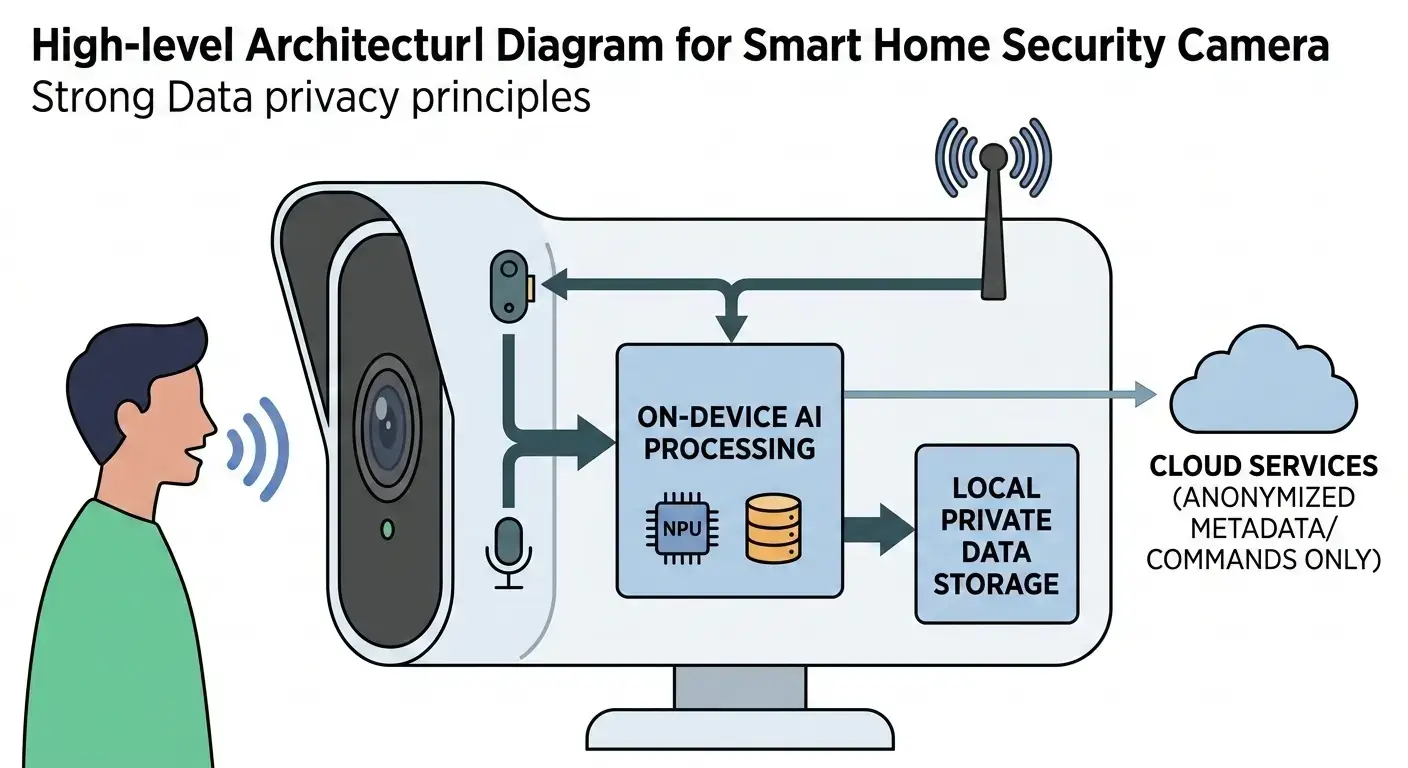
How Hybrid On-Device and Cloud AI Improves Smart Home Cameras

What Is Hybrid On-Device and Cloud AI?How It WorksArchitecture OverviewPerformance CharacteristicsReal-World ApplicationsLimitationsWhy Hybrid AI Matters for Smart Home CamerasEdge AI vs Cloud AI vs Hybrid AI (Comparison Table)Key Takeaways How Hybrid On-Device and Cloud AI Improves Smart Home Cameras can…

On-Device AI Cloud Fallback: A Hybrid AI Strategy Explained

On-Device AI Cloud Fallback enables low-latency, private, and offline AI experiences while working within strict power, thermal, and memory limits. When these limits are reached, On-Device AI Cloud Fallback allows systems to route tasks to the cloud, forming a hybrid…