Category: AI Hardware

AI Hardware encompasses processors, NPUs, GPUs, memory, and specialized accelerators that power modern AI workloads. Explore AI chips, performance metrics, hardware architecture, and the technology behind on-device AI.

NPU vs GPU vs CPU: Which Is Best for AI Inference on Consumer Devices?

Why This Matters for YouCPU vs GPU vs NPU: Quick Comparison TableHow CPU, GPU, and NPU Handle AI InferenceCPUGPUNPUWhen Should You Use CPU, GPU, or NPU for AI Inference?Use CPU for AI Inference When:Use GPU for AI Inference When:Use NPU…

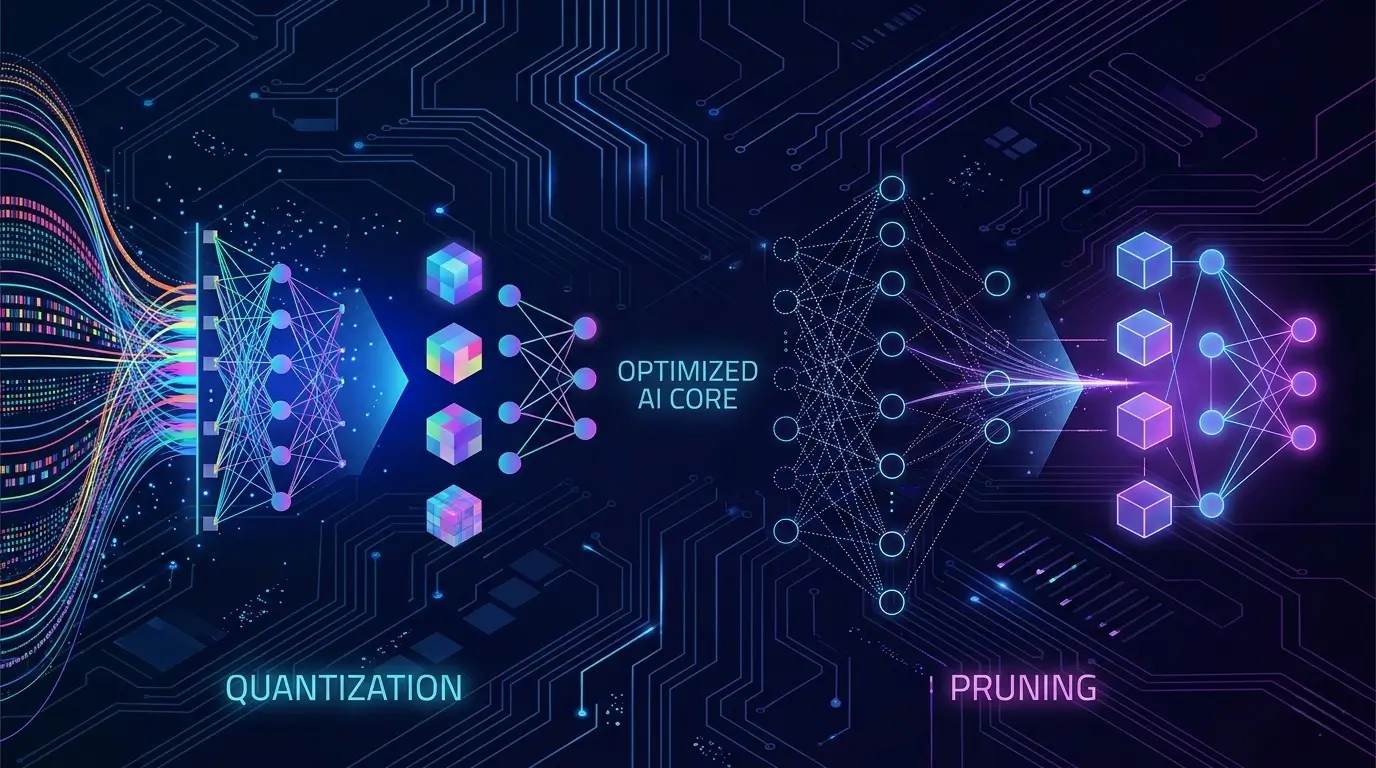
Quantization vs Pruning: Optimizing LLMs for Edge Devices

QuantizationPruningArchitectural DifferencesLatencyTOPS (Tera Operations Per Second)Power ConsumptionMemory Footprint & BandwidthSoftware EcosystemDeployment ConsiderationsWhich Design Is More EfficientKey Takeaways This Quantization vs Pruning comparison explains how both optimization strategies affect edge LLM deployment efficiency. For large language models (LLMs) on edge devices, quantization primarily optimizes the numerical…

Neuromorphic Chips Explained: Brain-Inspired AI Processing for Future Wearables

Neuromorphic chips are a class of brain-inspired processors designed for event-driven, asynchronous computation, fundamentally departing from traditional von Neumann architectures. They excel at processing sparse, real-time data streams with high power efficiency and low latency for specific workloads, making them ideal for always-on AI applications…

Snapdragon X2 Elite NPU: ARM’s 80 TOPS Architecture for Copilot+ PCs

As AI features become increasingly common in modern laptops, dedicated AI hardware is becoming more important. The Snapdragon X2 Elite NPU is designed to accelerate on-device AI tasks such as real-time transcription, image enhancement, AI assistants, and local language models…

Intel Panther Lake NPU Explained: 50 TOPS AI Performance for AI PCs

The Intel Panther Lake NPU is Intel's next-generation neural processing unit designed for AI PCs and on-device AI workloads. Built into the Panther Lake platform, the NPU delivers up to 50 INT8 TOPS while consuming significantly less power than traditional…

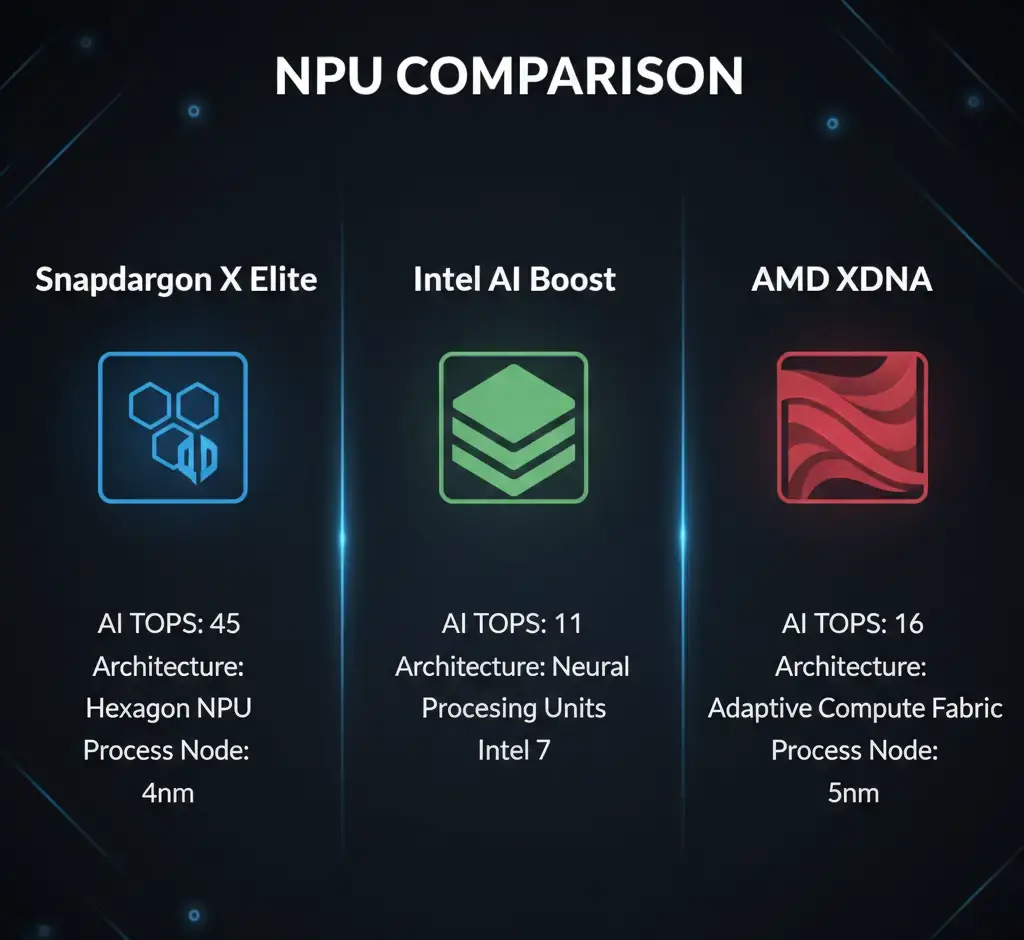
Snapdragon X Elite vs Intel AI Boost vs AMD XDNA: NPU Architecture Comparison

The comparison between Snapdragon X Elite, Intel AI Boost, and AMD XDNA highlights how major chipmakers are approaching on-device artificial intelligence. These dedicated Neural Processing Units (NPUs) power AI features such as real-time image enhancement, speech recognition, background effects, local…

 How AI Image Processing Uses ISP + NPU Together

The 5 Essential Architecture InsightsAI Image Processing Architecture in Modern SoCsHow AI Image Processing ISP NPU Works Inside a Modern SoCISP and NPU Microarchitecture DesignPerformance, Throughput, and Power EfficiencyReal-World Applications in Modern DevicesArchitectural Constraints and Trade-OffsWhy AI Image Processing ISP…

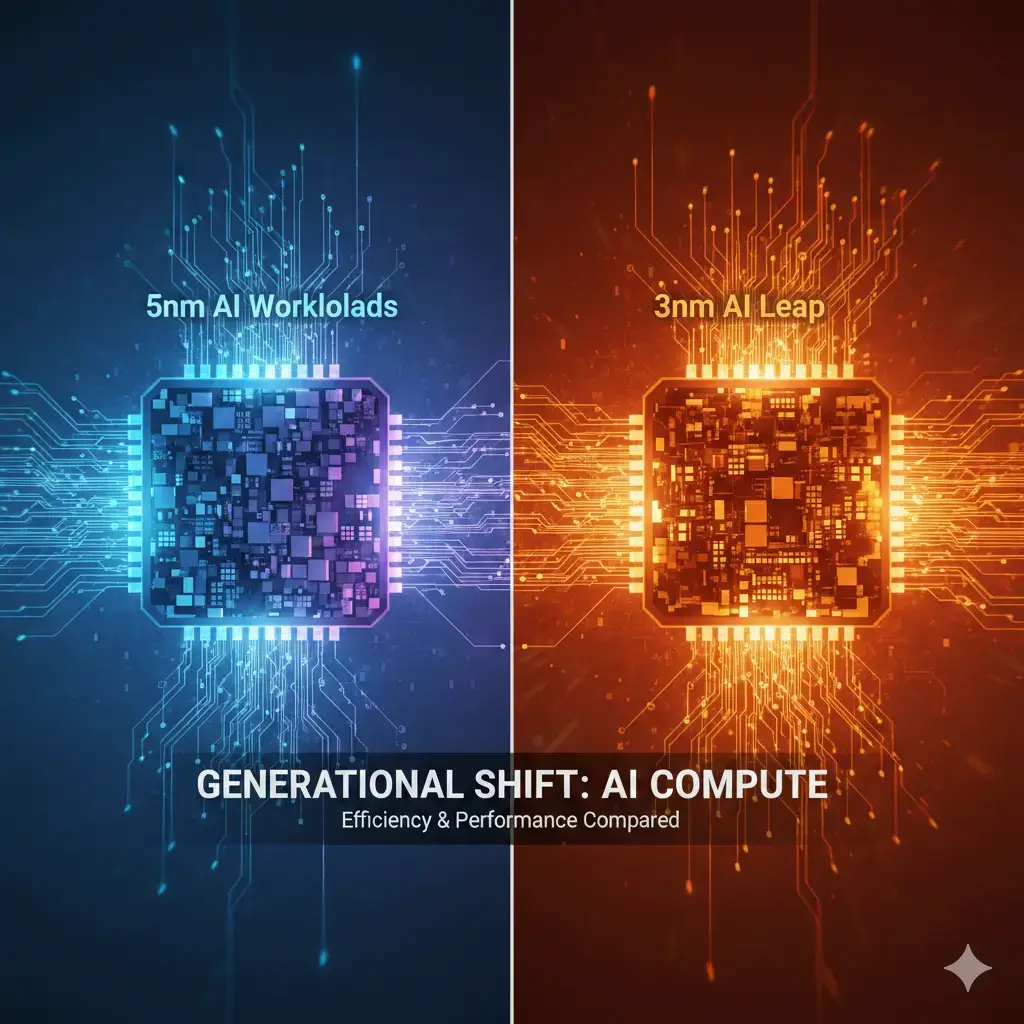
5nm vs 3nm AI Workloads: Performance and Power Differences Explained

Artificial intelligence is rapidly moving from cloud servers to smartphones, laptops, and edge devices. Features such as real-time transcription, AI image generation, local language models, and intelligent assistants increasingly rely on dedicated AI hardware inside modern chips. As a result,…

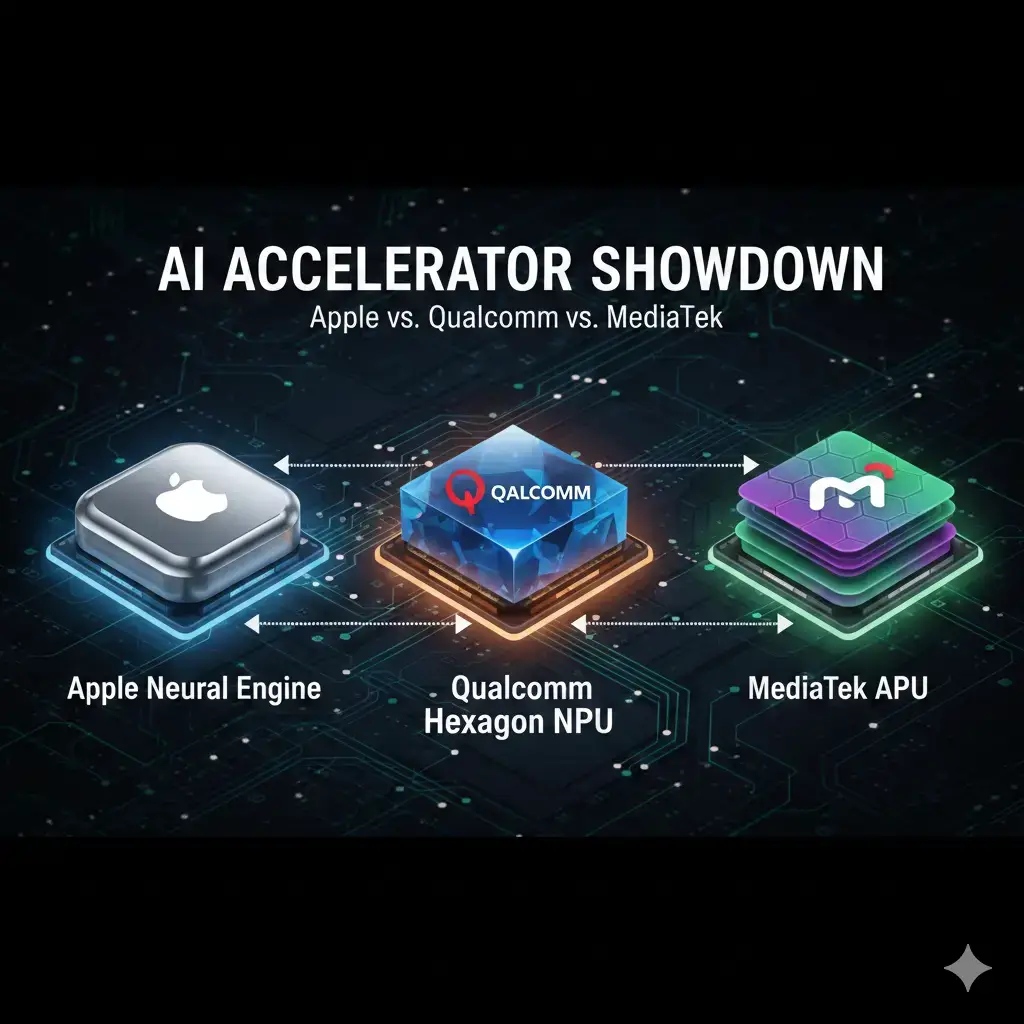
Apple Neural Engine vs Qualcomm Hexagon NPU vs MediaTek APU (2026)

This comparison examines Apple Neural Engine, Qualcomm Hexagon NPU, and MediaTek APU across architecture, AI performance, power efficiency, memory bandwidth, and real-world smartphone workloads. Quick SummaryWhat Each Architecture DoesPopular Devices Using Each AI AcceleratorNeural Engine vs Hexagon NPU vs MediaTek…

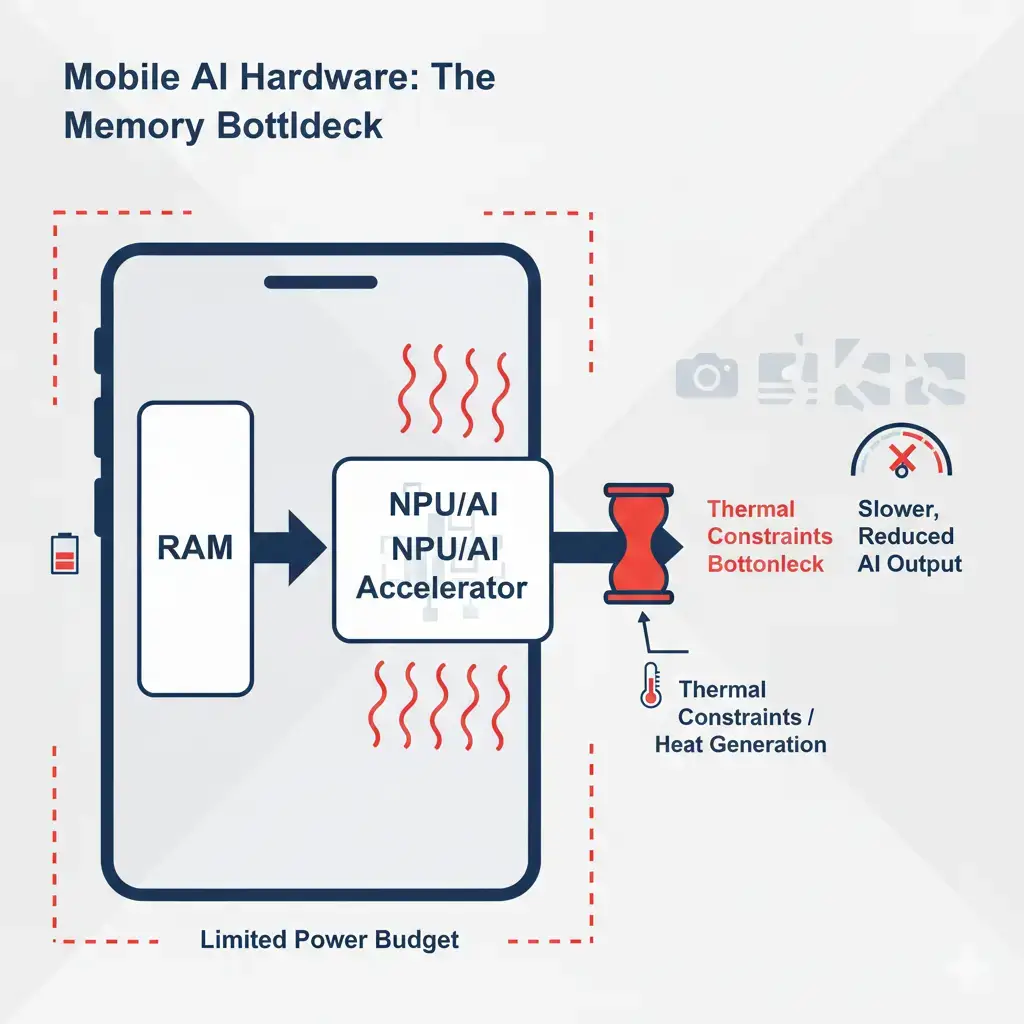
On-Device AI Memory Limits: Performance, Thermal, and Memory Bandwidth Explained

On-device AI memory limits are becoming one of the biggest challenges in modern edge AI systems. While AI accelerators continue to increase in compute power, memory bandwidth, and capacity, thermal constraints often determine real-world performance. This article examines on-device AI…