Tag: AI hardware

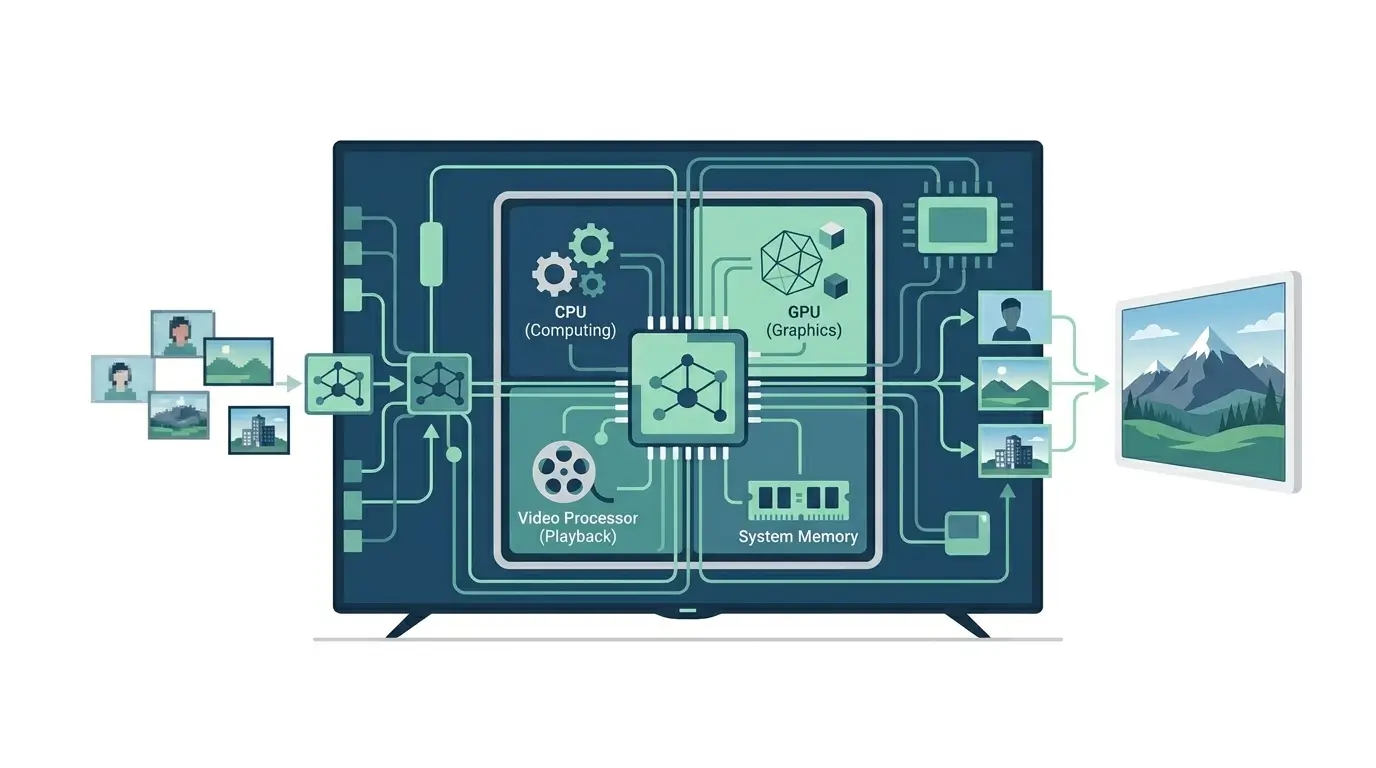
AI in Smart TVs: How Real-Time Upscaling and Scene Detection Work

What AI in Smart TVs IsHow AI in Smart TVs WorksPerformance Characteristics of AI in Smart TVsPerformance CharacteristicsReal-World ApplicationsLimitationsImportance of AI in Smart TVsKey Takeaways AI in Smart TVs uses dedicated Neural Processing Units (NPUs) inside the System-on-Chip (SoC) to…

Sustained AI Performance vs Peak TOPS: What Benchmarks Hide

Understanding Peak TOPS and Sustained AI PerformanceWhy Peak TOPS and Sustained AI Performance DivergeAI Accelerator Architecture Behind Peak and Sustained PerformancePeak vs Sustained Performance Across AI HardwareReal-World AI Workloads and Sustained PerformanceEngineering Limits Behind the Peak vs Sustained GapWhy Sustained…

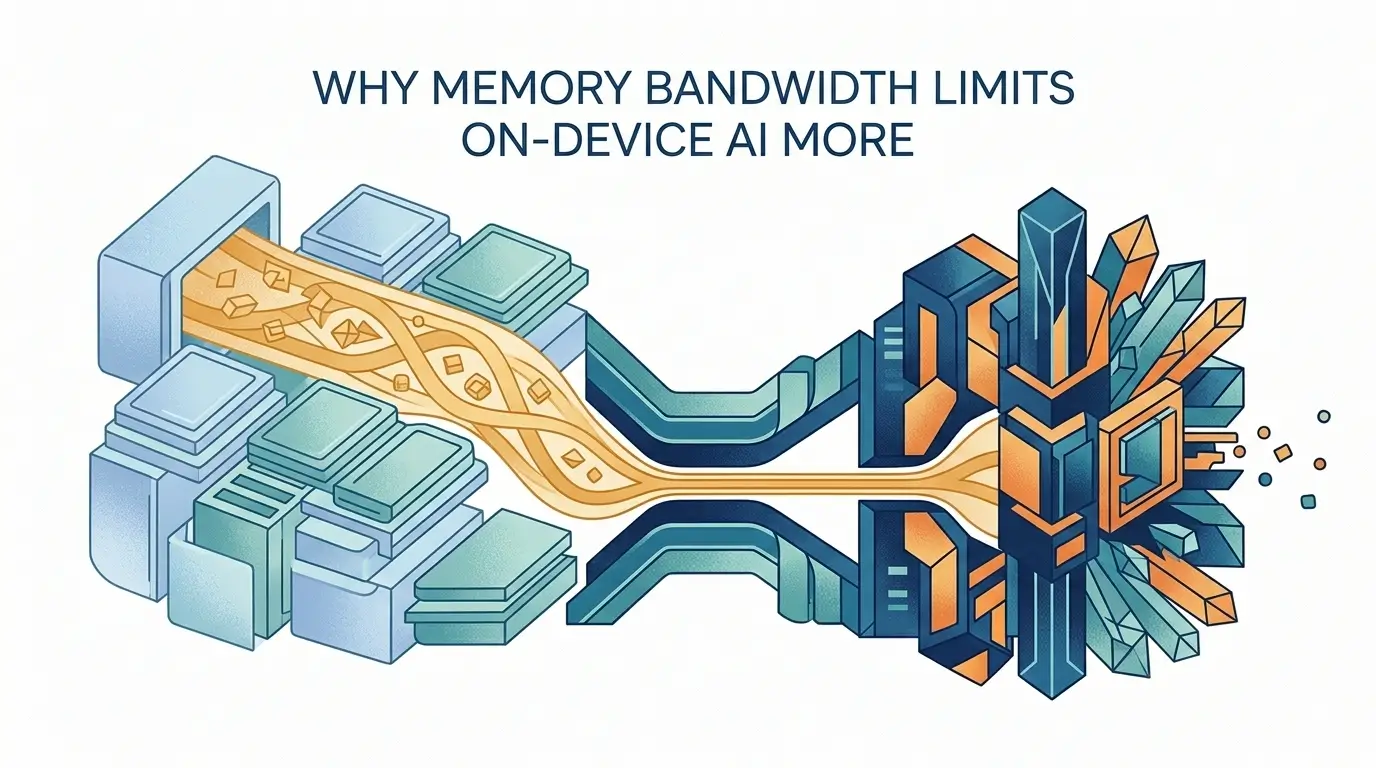
Why Memory Bandwidth Limits On-Device AI More Than Compute Power

What Is Memory Bandwidth in On-Device AI HardwareHow Memory Bandwidth Bottlenecks AI InferenceOn-Device AI Architecture and Memory Bandwidth ConstraintsPerformance Characteristics: Why Memory Bandwidth Limits On-Device AIReal-World On-Device AI Workloads Affected by Memory LimitsKey Limitations of Memory Bandwidth in Mobile AI…

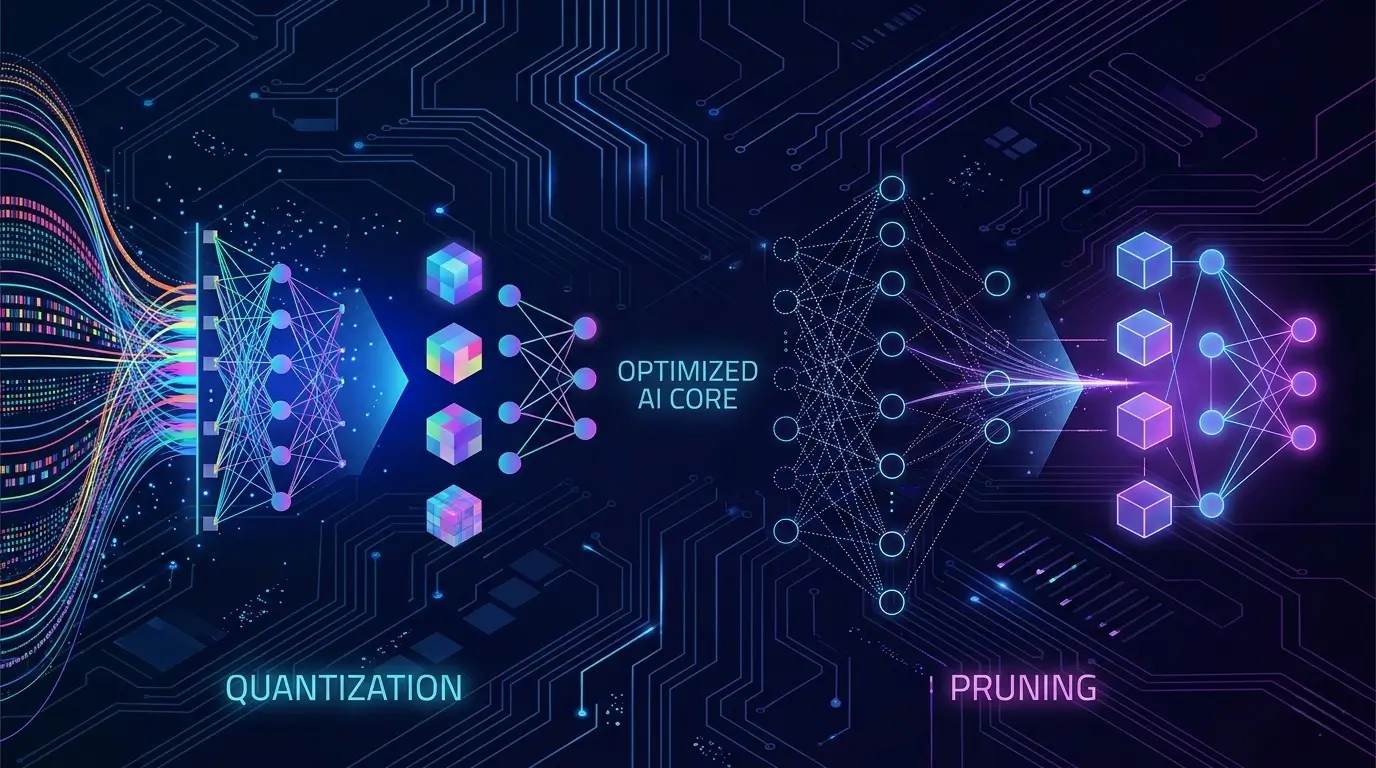
Quantization vs Pruning: Optimizing LLMs for Edge Devices

QuantizationPruningArchitectural DifferencesLatencyTOPS (Tera Operations Per Second)Power ConsumptionMemory Footprint & BandwidthSoftware EcosystemDeployment ConsiderationsWhich Design Is More EfficientKey Takeaways This Quantization vs Pruning comparison explains how both optimization strategies affect edge LLM deployment efficiency. For large language models (LLMs) on edge devices, quantization primarily optimizes the numerical…

Neuromorphic Chips Explained: Brain-Inspired AI Processing for Future Wearables

What It IsHow It WorksArchitecture OverviewPerformance CharacteristicsReal-World ApplicationsLimitationsWhy It MattersKey Takeaways Neuromorphic chips are a class of brain-inspired processors designed for event-driven, asynchronous computation, fundamentally departing from traditional von Neumann architectures. They excel at processing sparse, real-time data streams with high power efficiency and…

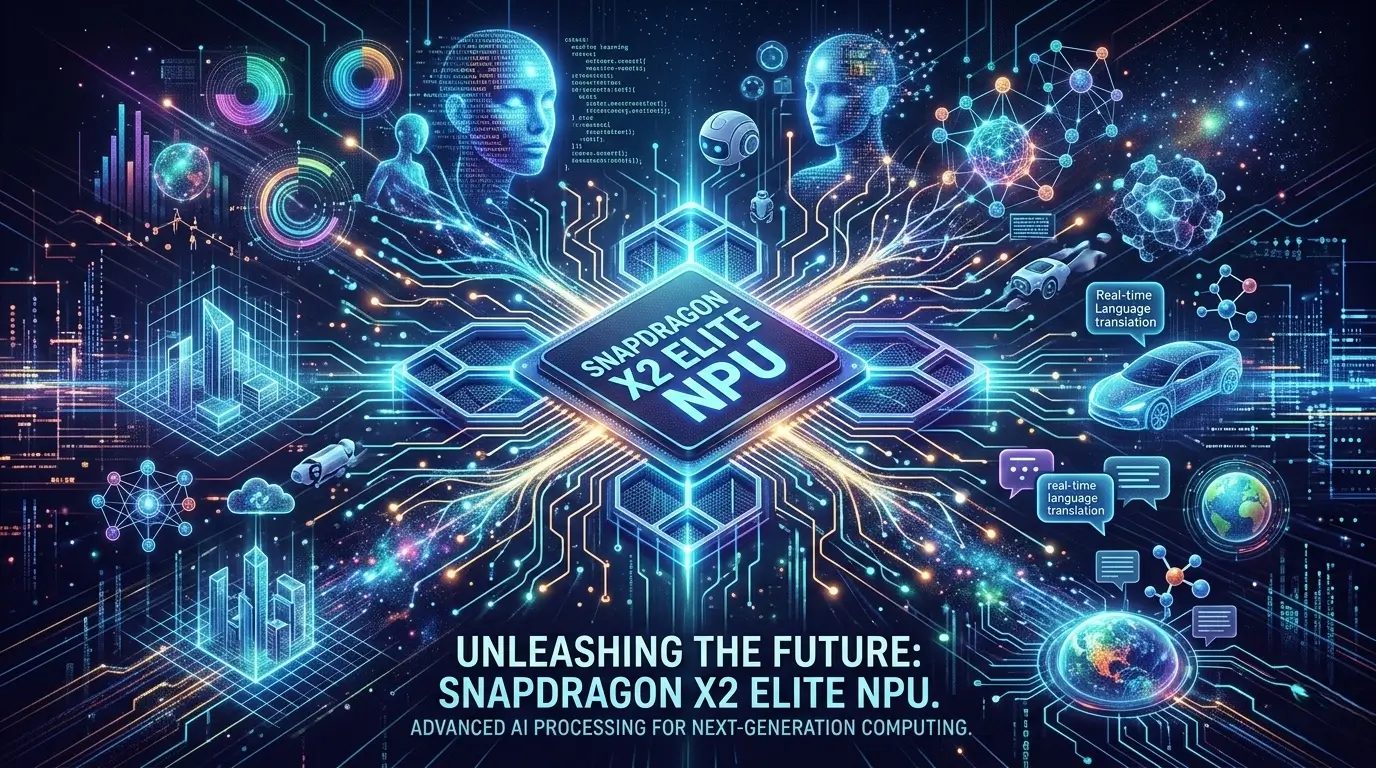
Snapdragon X2 Elite NPU: ARM’s 80 TOPS Architecture for Copilot+ PCs

What It IsHow It WorksArchitecture OverviewPerformance CharacteristicsReal-World ApplicationsLimitationsWhy It MattersKey Takeaways The Snapdragon X2 Elite NPU is a dedicated neural processing unit integrated within the Snapdragon X2 Elite System-on-Chip, engineered to deliver 80 TOPS (INT8) of peak AI inference performance.…

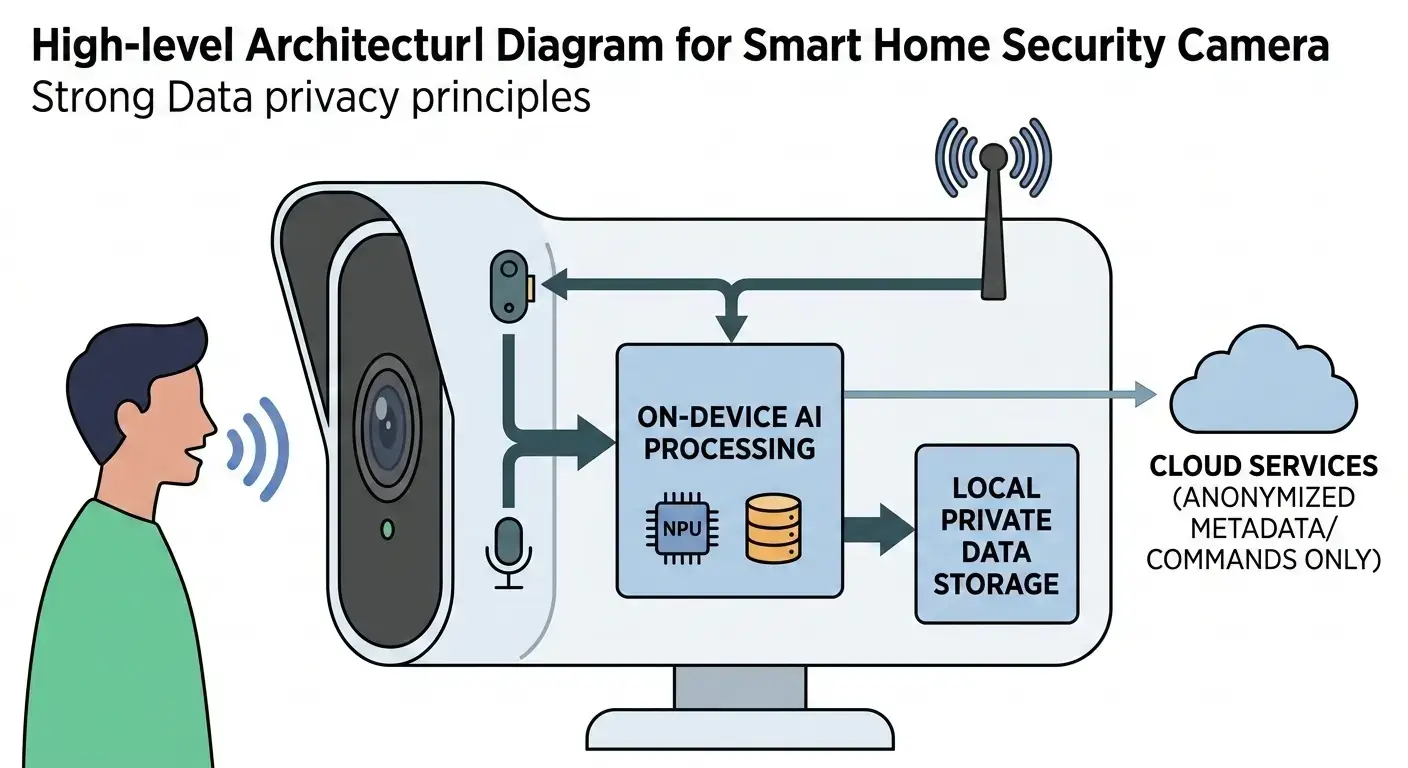
How On-Device AI Powers Truly Private Voice Assistants

What It Is: How On-Device AI Powers Truly Private VoiceHow On-Device AI Powers Truly Private Voice Assistants WorkArchitecture OverviewPerformance Benefits of On-Device AI for Truly Private VoiceReal-World ApplicationsLimitationsWhy On-Device AI Powers Truly Private Voice Assistants MatterKey TakeawaysFrequently Asked QuestionsHow does…

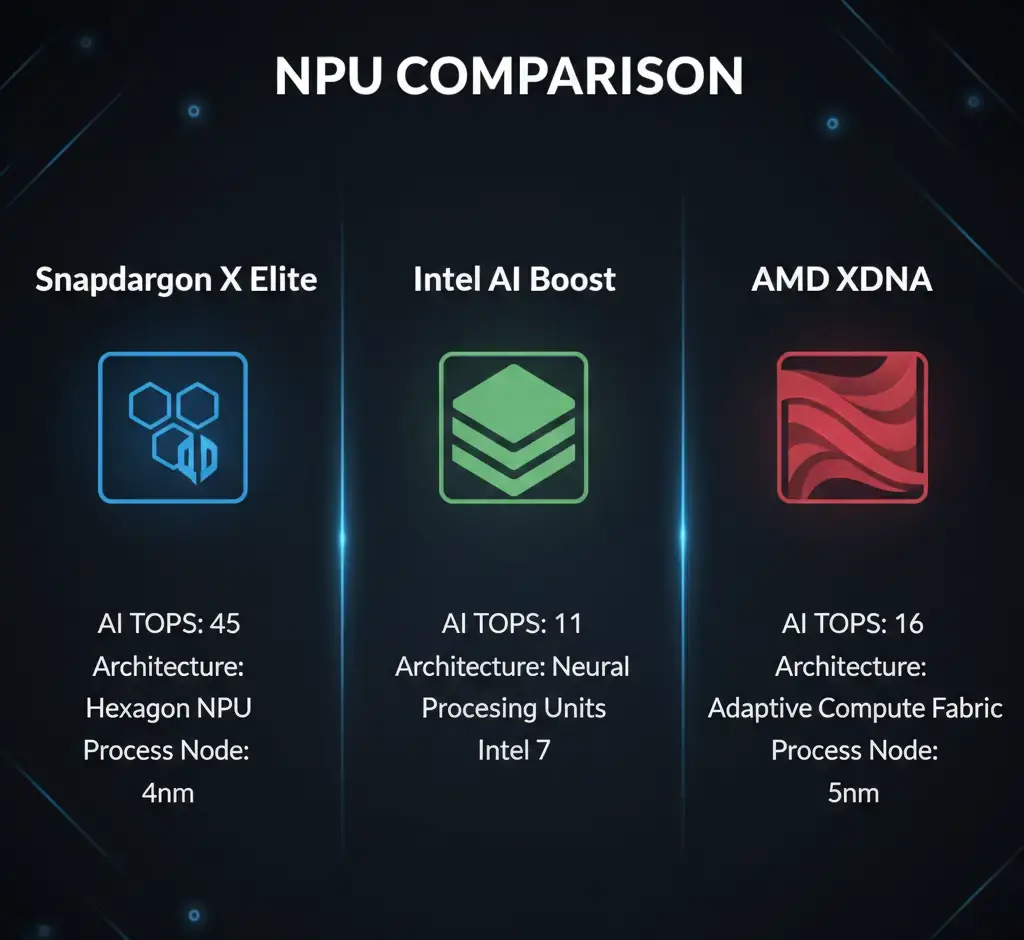
Snapdragon X Elite vs Intel AI Boost vs AMD XDNA: NPU Architecture Comparison

The choice between Snapdragon X Elite vs Intel AI Boost vs AMD XDNA reveals distinct architectural philosophies for on-device AI acceleration. Qualcomm's Snapdragon X Elite emphasizes sustained performance and power efficiency within mobile power envelopes via its integrated Hexagon NPU. Intel AI Boost, part of…

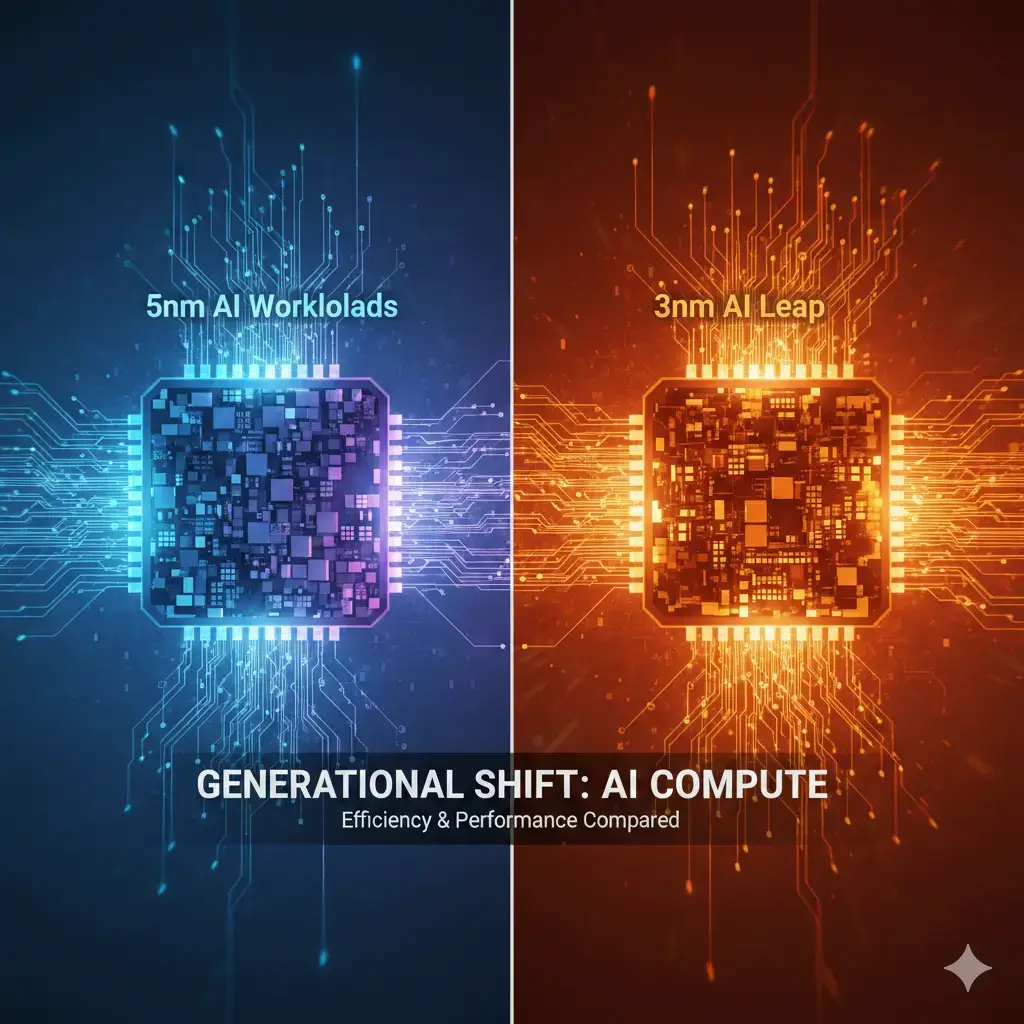
5nm vs 3nm AI Workloads: Performance and Power Differences Explained

What Each 5nm and 3nm Architecture Does for AI WorkloadsWhat Changes From 5nm to 3nm for AI Chips?5nm vs 3nm: Quick Comparison Table5nm vs 3nm AI Workload Performance ComparisonPower Efficiency & Thermal BehaviorMemory Bandwidth & On-Device Model Size LimitsSoftware Optimization…

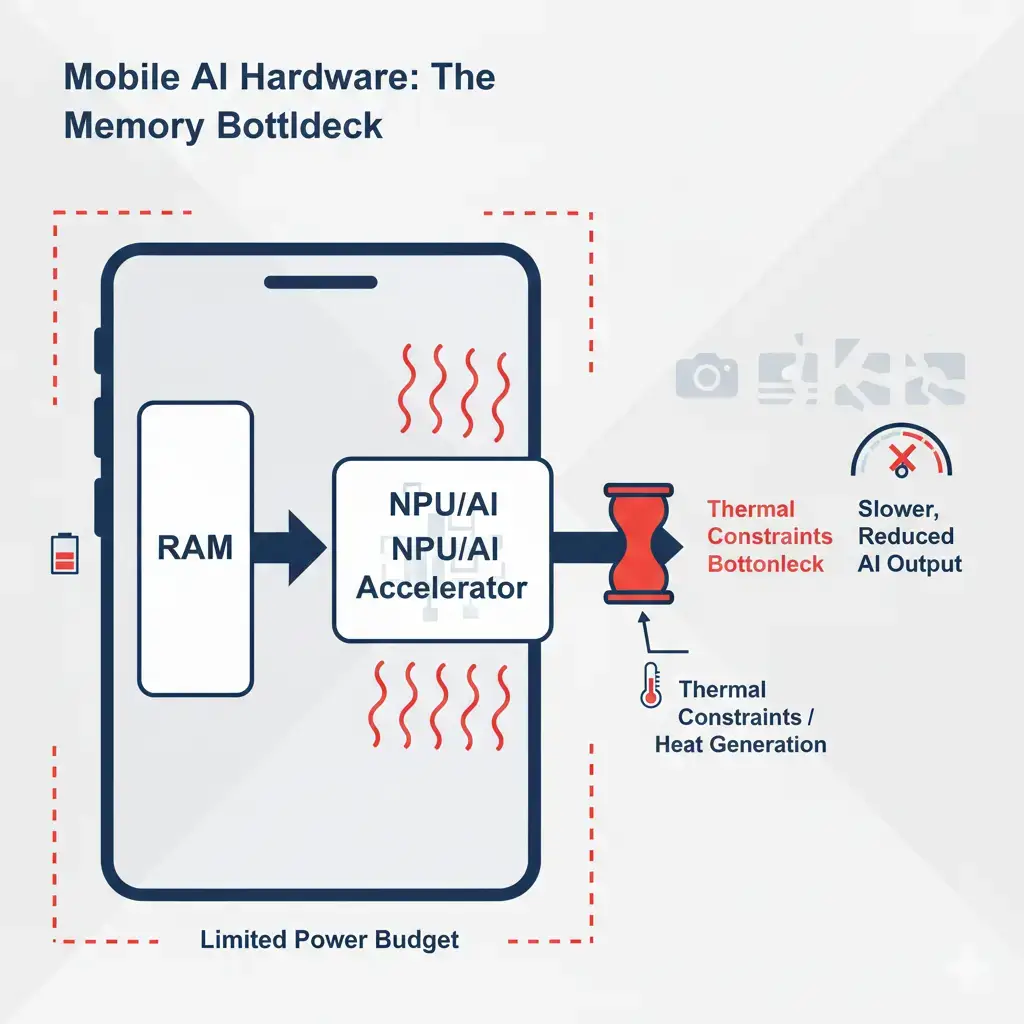
On-Device AI Memory Limits: Performance, Thermal, and Bandwidth Explained

On-device AI performance is frequently constrained by memory bandwidth and capacity rather than raw compute power. These on-device AI memory limits restrict model size, increase thermal pressure, and often force trade-offs between local execution and cloud fallback. Why This MattersHow…

AI Phone Cloud Dependency: A Technical Deep Dive

IntroductionQuick AnswerCore ConceptHardware Capability ComparisonHow It WorksKey CapabilitiesScale and Model ComplexitySustained Computational ThroughputDynamic Knowledge IntegrationResource-Intensive Generative AIRapid Model Updates and TrainingReal-World UsageConnectivity DependenceLatency and Response DelaysPrivacy and Data Transmission ConcernsIncreased Data UsageService ReliabilitySystem-Level ExplanationThermal ThrottlingMemory PressureDynamic Power ManagementSustained vs Peak…